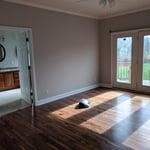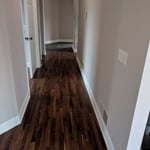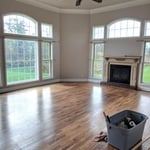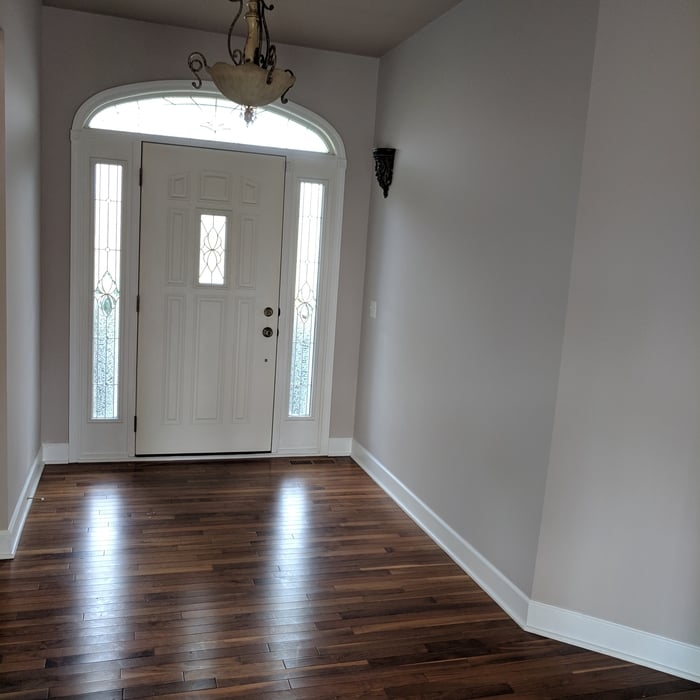





Top-rated flooring contractors.

Get matched with top flooring contractors in Liberty, NC

Enter your zip and get matched with up to 5 pros

TRUSTED BY LIBERTY, NC HOMEOWNERS

  • Average homeowner rating star icon4.5
    Average homeowner rating
  • Verified reviews icon139
    Verified flooring services reviews

Find Flooring contractors in Liberty

Avatar for Refloor - Raleigh
Refloor - Raleigh
4.6(
24
)
Laminate Wood or Stone Flooring - InstallLuxury Vinyl Flooring - Install - Materials Not Provided by Consumer

Serving Liberty, NC and surrounding areas

Approved (Corporate)

In business since 2020

Free estimates

Warranties offered

"Refloor is extremely organized and professional. Their communication alone was 5 stars. They were extremely patient, answered all of my questions and my floors turned out beautiful. They moved all of my furniture, installed the flooring, cleaned up and put all of my furniture back. They were over the top friendly and confident. I would definitely recommend Refloor!"
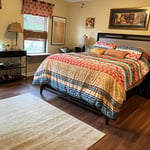
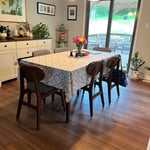
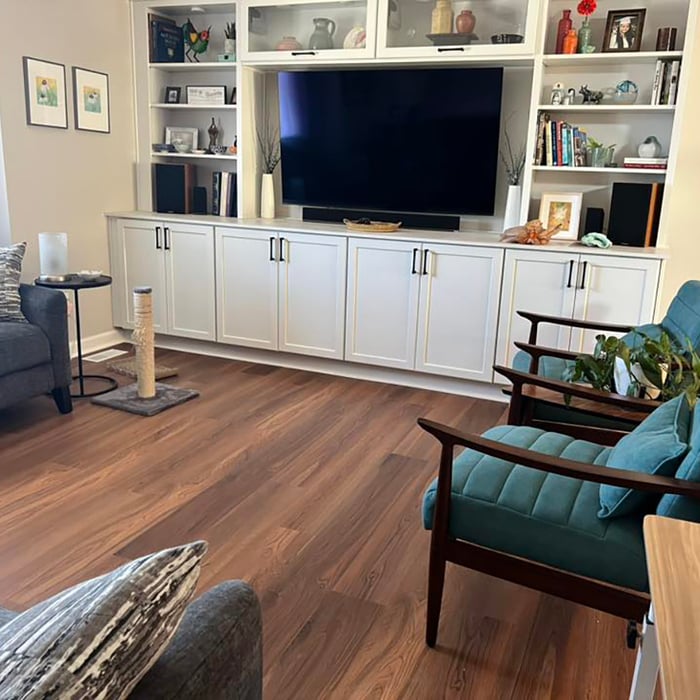
Before and After
Tradewind Home
Bedroom
Dining Room
Living Room

+11

66 neighbors recently requested a quote
Recommended by61%of homeowners
...
Showing 1-10 of 265
Flooring Installation questions, answered by experts

The average cost to install an epoxy garage floor is $2,514, with typical projects ranging from $750 to over $5,716. On a per-square-foot basis, you can expect to pay between $3 and $12. Several factors influence the total cost, including the total square footage, required surface preparations, the type and thickness of the epoxy, design complexity, decorative options, and labor costs. For example, an epoxy floor for a one-car garage may cost between $720 and $2,900, while a two-car garage can range from $1,100 to $4,300. Adding decorative elements like flakes can cost about $10 per 250-pound bag, and choosing a metallic epoxy can increase the price to between $5 and $12 per square foot. With proper care and maintenance, a well-installed epoxy floor can last for 10 to 20 years.

If you have a concrete subfloor, you must secure the carpet padding with adhesive or glue. However, if you have a wooden subfloor, use staples instead. Removing a glued-down carpet can be difficult and time-consuming, so it’s best to avoid glue when possible.

Natural options like stone tile, hardwood, cork, bamboo, and natural linoleum are among the healthier flooring choices available. On the flip side, carpet and carpet padding are among the biggest culprits when it comes to releasing potentially hazardous chemicals into your home. Artificial, manufactured options like vinyl and engineered wood may also contain and emit VOCs. 

Whether you install flooring before or after kitchen cabinets depends primarily on the type of flooring you are using. For materials like hardwood, tile, and sheet flooring, the best practice is to install the flooring first. This ensures the cabinets are installed at the correct height and on a stable surface. However, you should not install cabinets on top of floating floors, such as laminate or luxury vinyl plank (LVP). These types of flooring need room to expand and contract with temperature and humidity changes. Placing heavy cabinets on top can restrict this movement, potentially causing the floor to buckle and making the cabinets unstable. For floating floors, install the cabinets first and then lay the flooring up to them. Other reasons to consider installing cabinets before the flooring include saving money on materials (since you won't need flooring under the cabinets) and avoiding potential damage to your new floor during cabinet installation. Additionally, installing cabinets directly on the subfloor might prevent voiding your flooring's warranty.

In most cases, you do not need to put padding or underlayment under carpet tiles. Unlike traditional carpet, which requires a separate pad, carpet tiles are designed to be installed directly onto a firm subfloor like plywood, concrete, or tile. Many carpet tiles come with a built-in underlay and attach with peel-and-stick adhesive, double-sided carpet tape, or glue. For a more comfortable, cushioned feel, especially in residential settings, you can opt for padded carpet tiles that have a thicker underlay attached. While it's generally not recommended to install a separate pad, a compact underlayment might be used in some situations, though this typically requires professional installation. An acoustic underlay may also be considered in commercial spaces or multi-level homes where noise reduction is a priority.

The Liberty, NC homeowners’ guide to flooring services

From average costs to expert advice, get all the answers you need to get your job done.