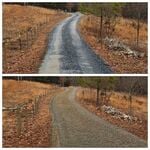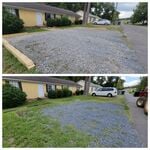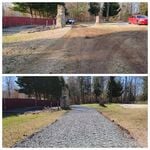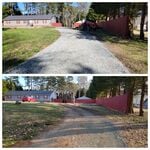


Top-rated excavation pros.

Best excavation pros near Sophia, NC

Enter your zip and get matched with up to 5 pros

Need a pro for your excavation project in Sophia, NC?

Select your specific project to find the pro for you.

TRUSTED BY SOPHIA, NC HOMEOWNERS

  • Average homeowner rating star icon4.8
    Average homeowner rating
  • Verified reviews icon46
    Verified excavation services reviews

Top-Rated Excavation pros in Sophia - Updated Nov 2026

M&D Property Solutions
4.5(
23
)
Building Site - Preparation and ClearingBuilding Site - Preparation and Clearing - For BusinessLandscape - Minor Grading or Resloping

Serving Sophia, NC and surrounding areas

Approved

In business since 2017

Emergency services offered

Warranties offered

"Needed fencing installed to keep groundhogs from taking up residence under our deck. Brady came up with a creative and complete solution that made sure the varmints were out and would not return. Would use again."
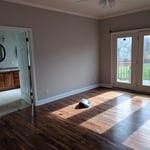
Master bedroom
Master bedroom
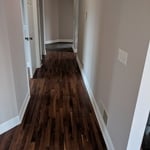
Front hall
Living area
Entry

+10

Response time1 day
Recommended by100%of homeowners
Avatar for H&C Excavating
H&C Excavating
5.0(
3
)
Building Site - Preparation and ClearingExcavation - Major Grading or Resloping

Serving Sophia, NC and surrounding areas

Approved

In business since 2020

Free estimates

Offers commercial services

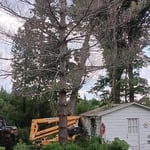
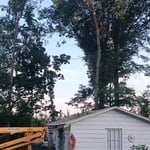
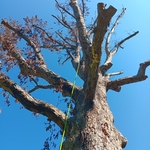
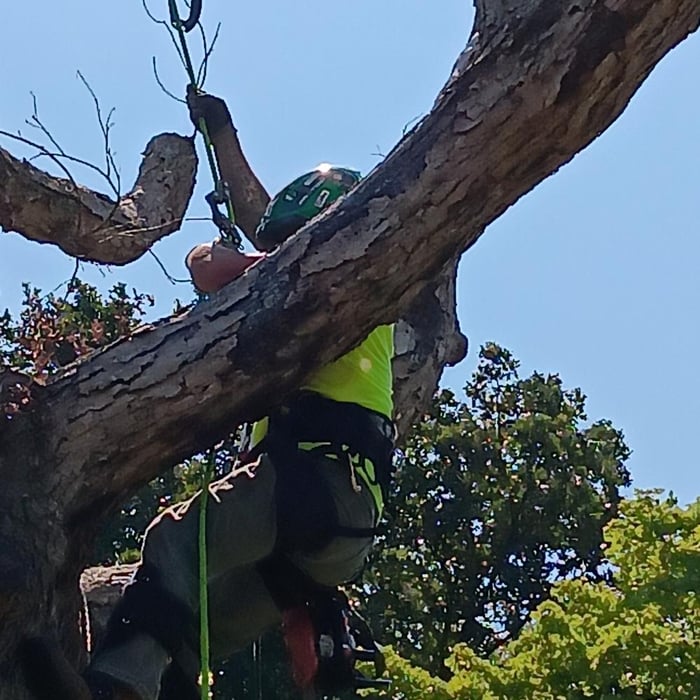
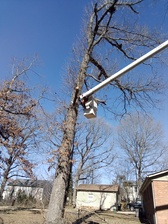
"Matt came and gave me what I thought was a very fair price to remove a huge oak tree that hanging over my house. 80-100 feet tall. Came on Tuesday and sent crew on Thursday. Very quick and careful work. I was super impressed with the job they did. Clean up was awesome. Would definitely hire them again or recommend them."
13 neighbors recently requested a quote
Recommended by66%of homeowners

Avatar for GroundShapersLLC
GroundShapersLLC
5.0(
10
)
Building Site - Preparation and ClearingBuilding Site - Preparation and Clearing - For BusinessExcavation - Major Grading or Resloping+2 more

Serving Sophia, NC and surrounding areas

Approved

In business since 2021

Free estimates

Credit card accepted

"My experience with Groundshapers has been excellent. When Radley came out to inspect my yard & driveway, he was very thorough & knowledgeable about what would be required to correct the issues & complete the job according to my wishes. He is very professional, but also very personable. He truly desires to do a job at the highest standard & he succeeds at it. He is conscientious & has even stopped by a few times after completing the job to ensure that the issues & problem areas are truly fixed. I definitely recommend him!"
Gravel driveway installation
Residential grading
Commercial grading
Parking lot addition
Landscaping

+3

Response time1 day
Response rate100%
5 neighbors recently requested a quote
...
Showing 1-10 of 171
Excavating FAQs, answered by experts
Dumpsters work best on hard, study, and level surfaces made of asphalt, stone, or concrete. If the surface is uneven or too soft, the dumpster could get stuck or tip over when filled. Keep in mind that you must obtain a dumpster permit to keep it on a city street in many areas.

A walk-behind trencher can cut through roots as long as they’re not too thick, making a project much easier than digging with a shovel and other hand tools. Assess your terrain and the number of trees in the surrounding area to determine if a walk-behind trencher will ease the job. Digging a trench by hand is much more time-consuming and labor-intensive. 

You can bury underground electrical wire six inches deep—but only if you use a rigid metal electrical conduit. For rigid, non-metallic conduits, bury the wire at least 12 inches deep. If using an underground feeder cable rated for direct burial, you'll need to place it at least 18 inches deep, as it has no conduit for extra protection.

In the United States, a depth of 36 inches (three feet) for underground water lines is the accepted industry standard. This depth varies from location to location based on local conditions. In areas with colder winters, they may be buried deeper to prevent frozen well water pipes : This is usually at least six inches below the frost level. The International Plumbing Code calls for a minimum of 12 inches below grade.

Trenching and boring are two distinct methods for installing underground utilities. Trenching involves digging a channel using equipment like an excavator, trencher, backhoe, or shovel. While it is a simpler process, it causes significant disruption to the surface, landscaping, and surrounding ecosystems.

Boring, also known as directional boring, is a less invasive alternative that uses a drill to create a tunnel for utility lines without disturbing the surface. This method is more precise and is ideal for installations that need to go underneath buildings, roads, or bodies of water. Although boring is less disruptive, it is generally more expensive than trenching.

The Sophia, NC homeowners’ guide to excavation services

From average costs to expert advice, get all the answers you need to get your job done.