




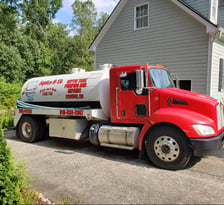


Top-rated septic tank pros.

Get matched with top septic tank pros in Graham, NC

Enter your zip and get matched with up to 5 pros

Need a pro for your septic tank service project in Graham, NC?

Select your specific project to find the pro for you.

TRUSTED BY GRAHAM, NC HOMEOWNERS

  • Average homeowner rating star icon4.7
    Average homeowner rating
  • Verified reviews icon107
    Verified septic tank services reviews

Find Septic tank pros in Graham

Kirby Septic Pumping and Repair
4.9(
17
)
Septic System - Install or ReplaceSeptic System - RepairSeptic Tank - Clean or Pump Out

Serving Graham, NC and surrounding areas

Approved

In business since 2015

Credit card accepted

Customers say: Quality work

"He came out within a week and pumped out the septic for far less than anticipated. He also showed me how to get into the tank and clean my own filter which was appreciated and will save me money over time. No further issues with our septic. Thank you!"
Response time2 hrs
Recommended by94%of homeowners
Avatar for Affordable Septic and Grease Cleaning
Affordable Septic and Grease Cleaning
3.9(
18
)
Septic Tank - Clean or Pump OutSeptic System - Install or ReplaceSeptic System - Install or Replace - For Business+3 more

Serving Graham, NC and surrounding areas

Approved

In business since 2003

Free estimates

Warranties offered

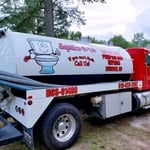
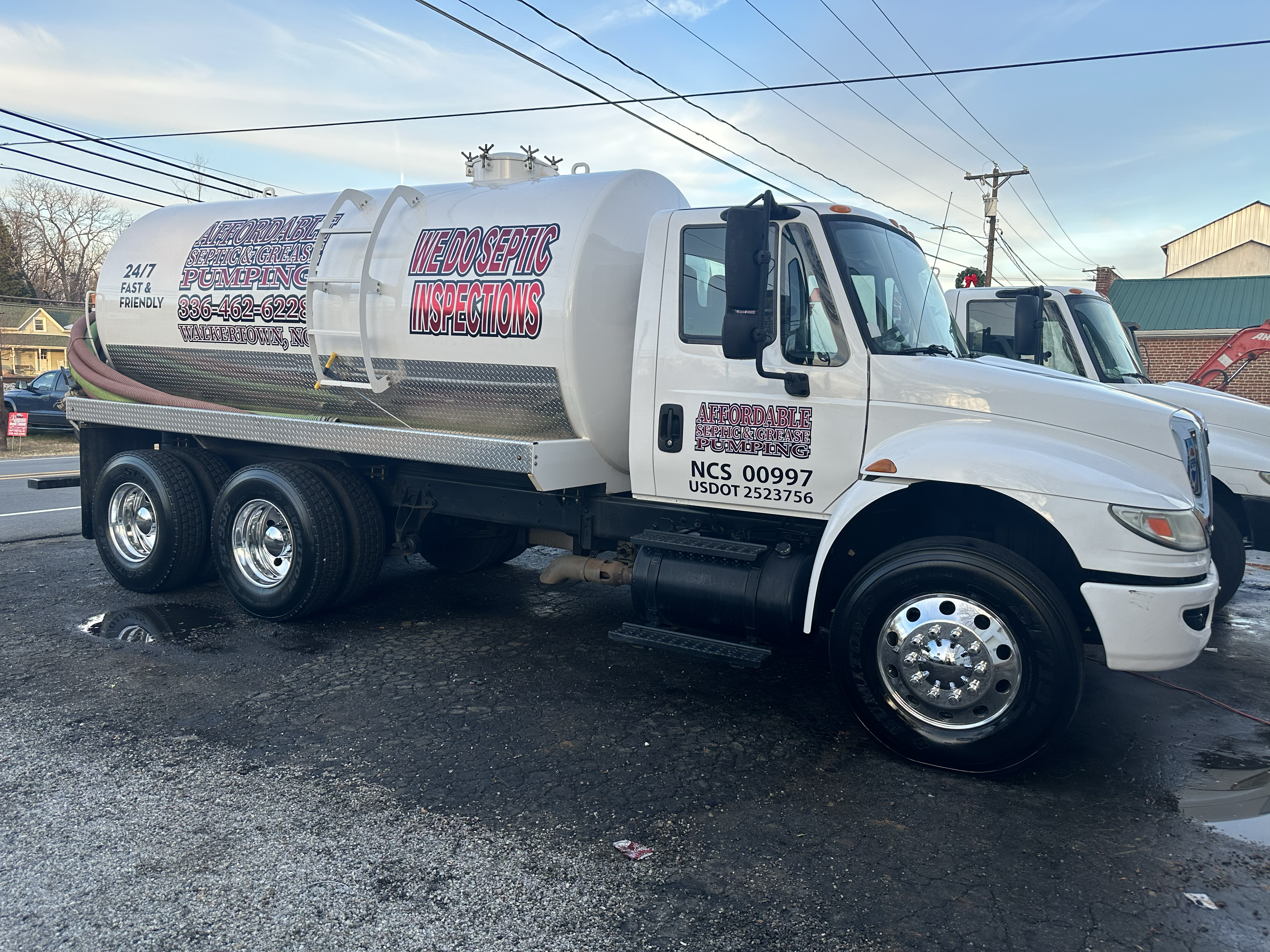
"guys did a great job with pumping tank but their old pump truck leaked oil and greese all over my driveway.i've been told by the owner that there's not much he could do but bring a pressure washer out and try to get it up.i've been using dawn detergent and scrubbing it rinsing with hot water.seems to have helped some.my advice to owner is get your truck fixed because next customer might not be this nice about it."
Additional Photos
Additional Photos
Additional Photos
Additional Photos
Additional Photos

+1

6 neighbors recently requested a quote
Recommended by66%of homeowners

Showing 1-10 of 26
Septic Tanks questions, answered by experts

While you can drain water softener backwash into a septic tank, doing so may cause several problems. One problem is that increased sodium chloride levels from water softener backwash can kill septic tank bacteria, decreasing the effectiveness of this wastewater treatment system. Another issue is that large calcium deposits can eventually stop up the drain field and lead to poor drainage. 

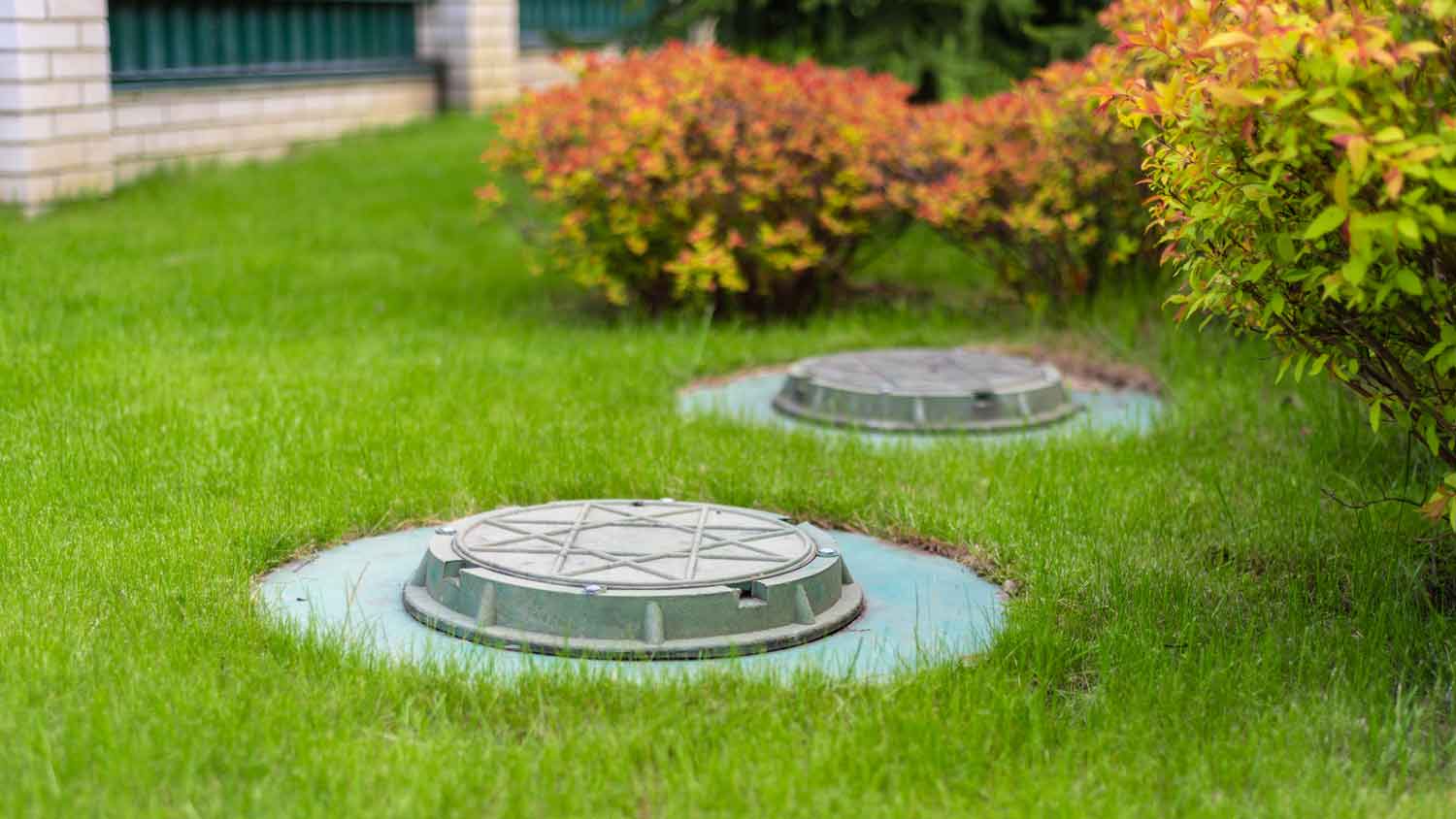
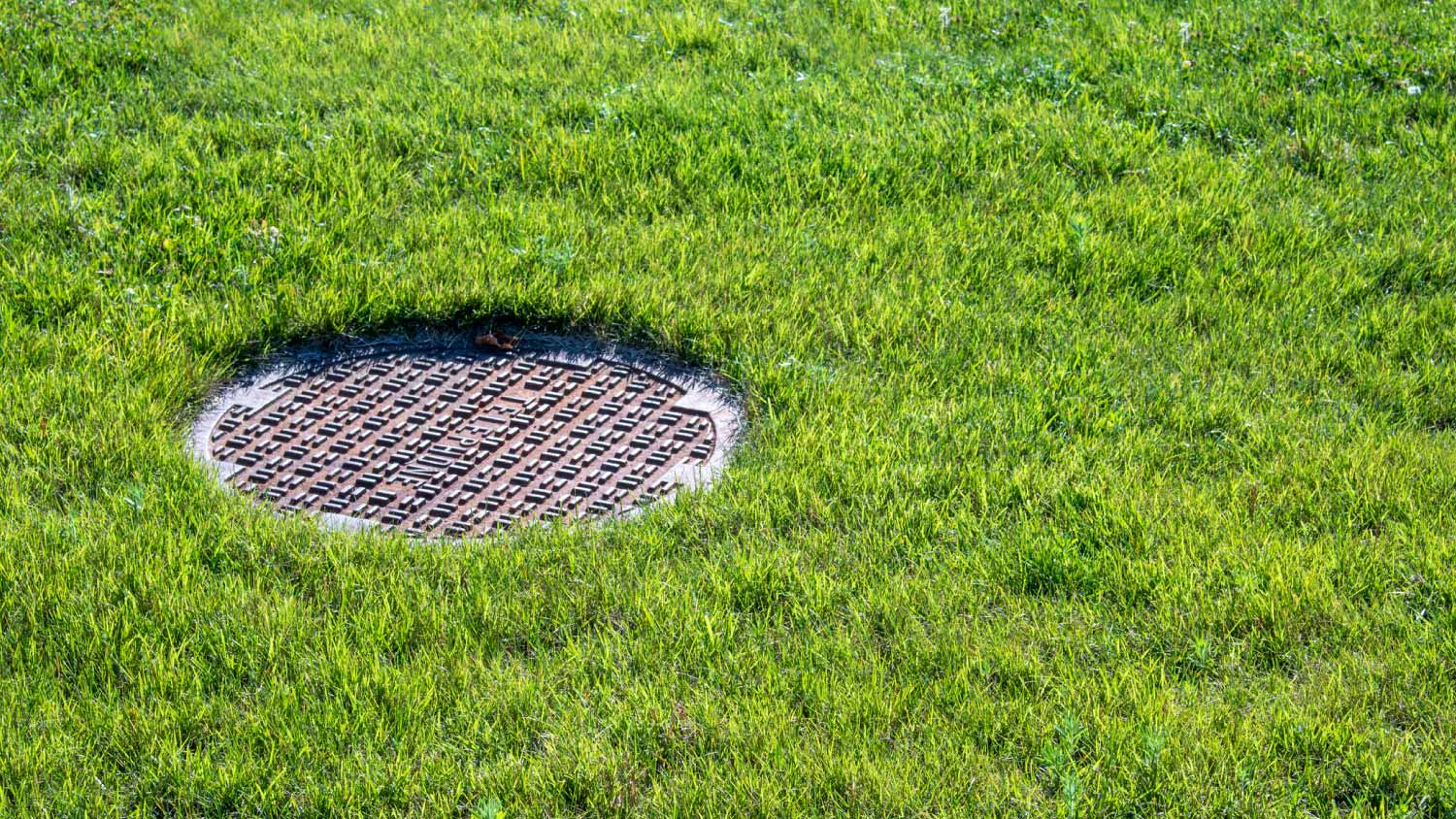
Septic tank lids may or may not be buried in a yard. Most lids are buried at least 4 inches deep unless you have an aerobic septic system. Aerobic septic systems need frequent cleanings, about every four months, so it’s best to leave these lids aboveground for easier access. For buried lids, homeowners can use risers that make it easier to locate and access a buried septic tank lid.
Yes, septic tank companies must be licensed in most states and municipalities to perform services like installation, alteration, repair, and pumping. Since laws vary by location, it's crucial to check local requirements.

Hiring an unlicensed professional can lead to poor work, code violations, and significant fines. Always verify that your chosen company is properly licensed and fully insured to avoid liability. You can use tools like Angi’s contractor licensing search to check a pro's credentials.

It's also helpful to understand the difference between licensing and certification. A license is a legal requirement to operate, while certifications are voluntary. Credentials like the “Angi Approved” badge indicate that a business meets extra standards, such as passing a background check and maintaining a high rating.

The lifespan of your well casing depends mainly on the material it’s made from. Stainless steel and galvanized steel casings are designed to withstand the pressures and environment of deep-water wells but are susceptible to corrosion. Most steel casings last from 20 to 35 years, on average. PVC casing is highly durable and, if used correctly, can last up to 50 years.

With so much available information about the ecological effects of cesspools (and their general unpleasantness), it begs the question: Are cesspools legal? In short, sort of. Large-capacity cesspools that serve more than 20 people are completely illegal countrywide. Existing, smaller cesspools are generally allowed as long as they’re not actively polluting. However, new cesspools are illegal to build in all 50 states and Puerto Rico, and many states offer programs to help homeowners with the costs of updating cesspools to modern septic systems.
The Graham, NC homeowners’ guide to septic tank services

From average costs to expert advice, get all the answers you need to get your job done.