

Top-rated septic tank pros.

Best septic tank pros near Green Level, NC

Enter your zip and get matched with up to 5 pros

Need a pro for your septic tank service project in Green Level, NC?

Select your specific project to find the pro for you.

TRUSTED BY GREEN LEVEL, NC HOMEOWNERS

  • Average homeowner rating star icon4.6
    Average homeowner rating
  • Verified reviews icon104
    Verified septic tank services reviews

Top-Rated Septic tank pros in Green Level - Updated Nov 2026

Kirby Septic Pumping and Repair
4.9(
17
)
Septic System - Install or ReplaceSeptic System - RepairSeptic Tank - Clean or Pump Out

Serving Green Level, NC and surrounding areas

Approved

In business since 2015

Credit card accepted

Customers say: Quality work

"He came out within a week and pumped out the septic for far less than anticipated. He also showed me how to get into the tank and clean my own filter which was appreciated and will save me money over time. No further issues with our septic. Thank you!"
Response time2 hrs
Recommended by94%of homeowners
JRC Construction, Inc.
2.3(
3
)
Septic System - Install or Replace

Serving Green Level, NC and surrounding areas

Approved

In business since 1990

Warranties offered

Offers commercial services

At JRC Construction, Inc., we pride our company on reliability, great communication, integrity, and quality work. We are experts in our trade and will do our best to keep you as educated as we can on your particular task or project. We look forward to earning your business!

Response time2 days
11 neighbors recently requested a quote
Recommended by100%of homeowners
Showing 1-10 of 28
Septic Tanks FAQs, answered by experts

Yes, shower water goes into the septic tank. Shower water is a type of greywater, and in fact, all water used in a home with a septic system—including water from sinks, toilets, the dishwasher, and the washing machine—drains into the tank. When shower water enters the tank, debris like soap and hair travels with it. The solid debris sinks to the bottom to become sludge, while soap residue joins the scum layer at the top. The remaining water is treated in the tank before moving to the drain field for further treatment and dispersal. It is important to avoid putting oil or harsh chemicals down any drain, as they can cause clogs or disrupt the beneficial bacteria required for proper wastewater management in the septic system.
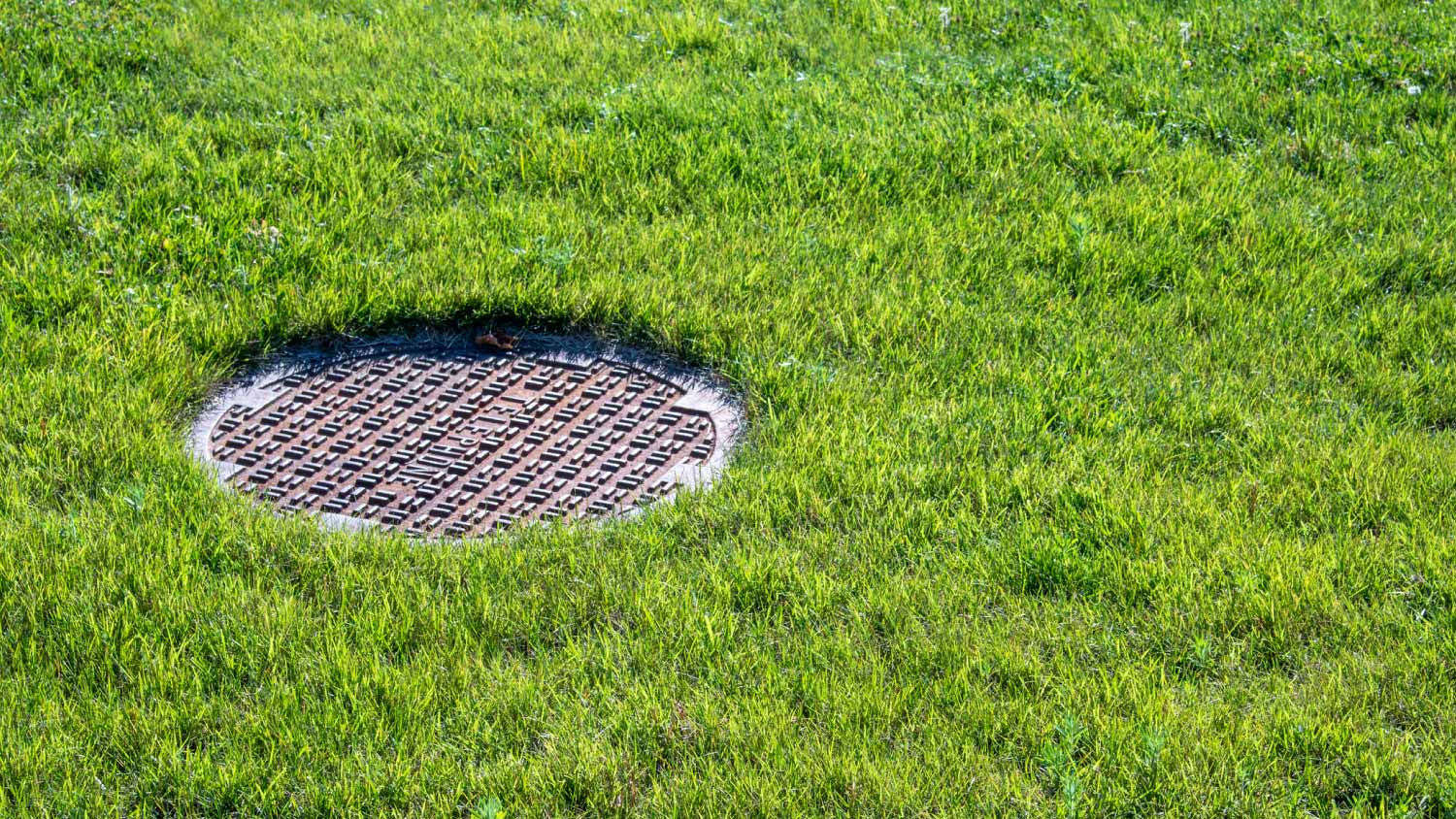
Several warning signs can indicate current or future issues with your well pressure tank. If you notice inconsistent water pressure, water spitting from your faucets, clicking sounds, or electricity bill spikes without other obvious causes, it may be time to get your pressure tank and well system looked at by a professional.

Most home wells start at 100 feet, and many go as deep as 200 or 300 feet. 

It takes quite a lot of water to meet the demands of showers, toilets, faucets, and appliances like dishwashers and laundry machines, and shallow wells struggle to provide this amount quickly. If you anticipate having high water usage in the future, it’s often better to drill slightly deeper and give yourself a bit more water storage than you need.

Talking with a septic pro before planting trees near your tank is best to ensure the roots won’t interfere with your septic system. However, there is an easy way to figure out where to plant a tree—but you’ll need to know how tall it can get when it’s fully grown. For instance, if the tree can reach 50 feet, plant it at least 50 feet from your septic system.

Most deep wells can be expected to last somewhere between 30 and 50 years. This assumes that the well and all of its components are properly maintained on a regular basis. During this time, it is unlikely that modern deep wells will run dry over the course of their typical lifespan. That is one of the biggest benefits of digging a deeper well. 

The Green Level, NC homeowners’ guide to septic tank services

From average costs to expert advice, get all the answers you need to get your job done.