




Top-rated drywall pros.

Get matched with top drywall pros in Lawndale, NC

Enter your zip and get matched with up to 5 pros

Need a pro for your drywall service project in Lawndale, NC?

Select your specific project to find the pro for you.

TRUSTED BY LAWNDALE, NC HOMEOWNERS

  • Average homeowner rating star icon4.2
    Average homeowner rating
  • Verified reviews icon11
    Verified drywall services reviews

Find Drywall pros in Lawndale

Avatar for Straight Edge Painting Pros
Straight Edge Painting Pros
5.0(
71
)

Serving Lawndale, NC and surrounding areas

Approved

In business since 2014

Free estimates

Emergency services offered

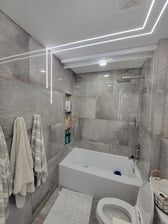
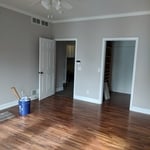
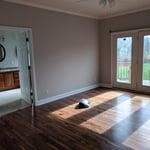
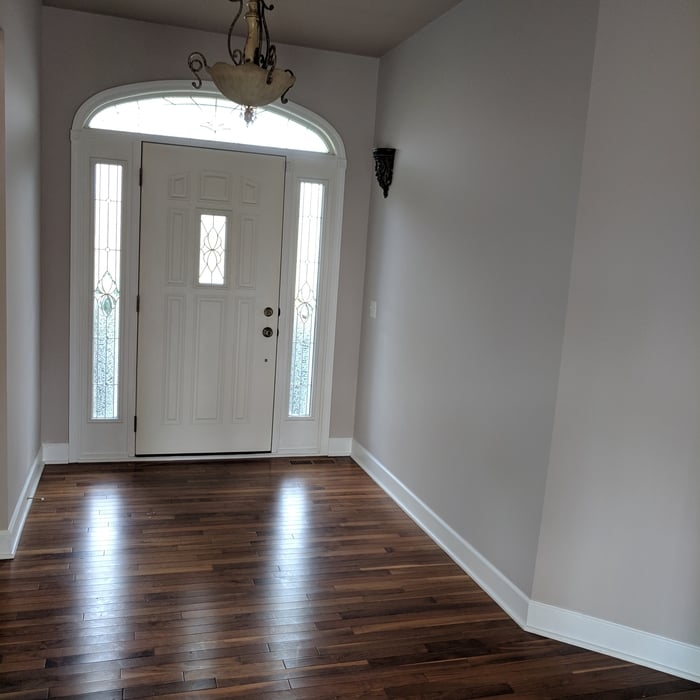
"Straight Edge Painting Pros guys did awesome. It was exactly what I had imagined. Wes was very helpful in stating having the drywall ready for paint included priming and repairing imperfections which took an extra day. The guys took the time to make sure the drywall is perfect and ready for me to paint and also installed new baseboards."
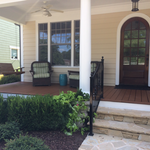
Additional Photos
Additional Photos
Additional Photos
Additional Photos
Additional Photos

+3

Response time7 hrs
1 neighbors recently requested a quote
Recommended by88%of homeowners
Avatar for E & E Services
E & E Services
5.0(
5
)

Serving Lawndale, NC and surrounding areas

Approved

In business since 2024

Free estimates

Warranties offered

"Robert arrived on time and promptly began working on removing our broken front door. He installed the new door and hardware. The new door fits great and seals completely. I am a happy and satisfied customer."
Fence Restoration
Fence Restoration
Fence Restoration
Fence Restoration
Fence Restoration

+20

Response time4 hrs
Response rate100%
Avatar for Groovy Services
Groovy Services
4.0(
12
)

Serving Lawndale, NC and surrounding areas

Approved

In business since 2022

Free estimates

Emergency services offered

"This was an excellent experience from the first conversation through the final “thank you” to them for doing an awesome job in a very professional, efficient and customer service-oriented way!"
Solar and Backup battery
Hardscapes
New home Construction
Kitchen Renovation
Response time2 days
Response rate99%
1 neighbors recently requested a quote
...
Showing 1-10 of 197
Drywall questions, answered by experts

Installing or repairing plaster on ceilings differs slightly from performing the same motions on a wall. You’ll apply slightly less plaster to lower the overall weight of the ceiling. Wall texturing is common, whereas most ceilings are smooth plaster. Tough coat plaster is strong, meaning you can use less while retaining a solid surface.

Regular dusting, occasional repainting, and avoiding harsh scrubbing preserve the finish.

Look for flaking paint or air bubbles that burst and then flake away. Paint will begin to flake after being exposed to minimal moisture or water, so it’s a good indicator of any water damage. If you notice your paint starting to flake, feel the plaster underneath to see if it is soft or damp.

Although they have similar applications, spackle and joint compound are not the same. Their primary differences lie in their composition, consistency, and ideal use cases.

Spackle is composed of gypsum and binding agents, making it thicker than joint compound. It dries quickly and is easy to sand, which makes it ideal for small wall repair projects like filling nail holes or patching minor damage.

Joint compound, also known as drywall mud, consists of limestone and gypsum. It is primarily used for large-scale projects, such as taping and finishing the seams on newly installed drywall. It tends to shrink more than spackle and can be more difficult to spread.

While both products can be used to fill small depressions and cracks, spackle cannot replace joint compound for taping and mudding new drywall. Conversely, you can often use joint compound for small patching jobs typically done with spackle.

Plastering and skimming are two different techniques for finishing walls. Plastering involves applying a thick layer of a plaster mixture—typically containing gypsum, lime, cement, sand, and water—to create a new surface. This process often requires multiple coats and is used for repairing significant damage or creating decorative textures. Skimming, on the other hand, is a technique that involves applying a thin layer of drywall compound or joint compound over an existing surface to smooth it out, covering minor imperfections, small cracks, or uneven textures for a polished look. Plastering is generally more costly and labor-intensive than skimming. Although some people use the terms interchangeably, they refer to different processes and materials.

The Lawndale, NC homeowners’ guide to drywall services

From average costs to expert advice, get all the answers you need to get your job done.