



Top-rated drywall pros.

Get matched with top drywall pros in Elk Park, NC

Enter your zip and get matched with up to 5 pros

Need a pro for your drywall service project in Elk Park, NC?

Select your specific project to find the pro for you.

TRUSTED BY ELK PARK, NC HOMEOWNERS

  • Average homeowner rating star icon4.4
    Average homeowner rating
  • Verified reviews icon17
    Verified drywall services reviews

Find Drywall pros in Elk Park

Avatar for PB Painting Service
PB Painting Service
5.0(
19
)
Drywall - InstallDrywall - RepairDrywall - Install - For Business+1 more

Serving Elk Park, NC and surrounding areas

Approved

In business since 2022

Free estimates

Credit card accepted

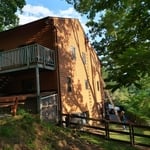
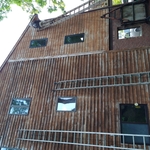
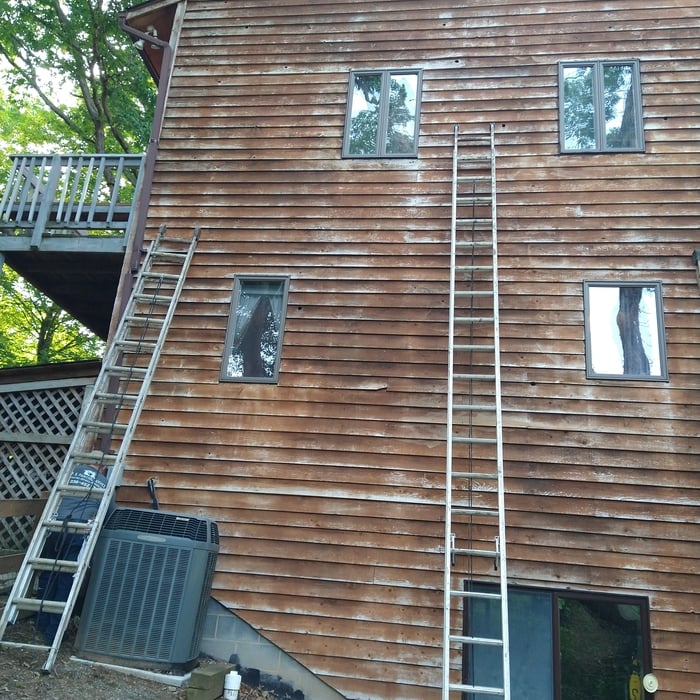
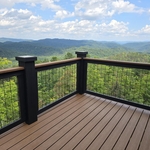
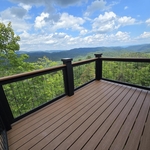
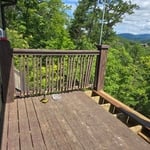
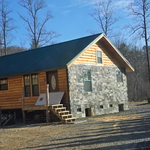
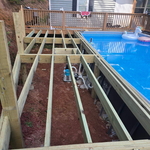
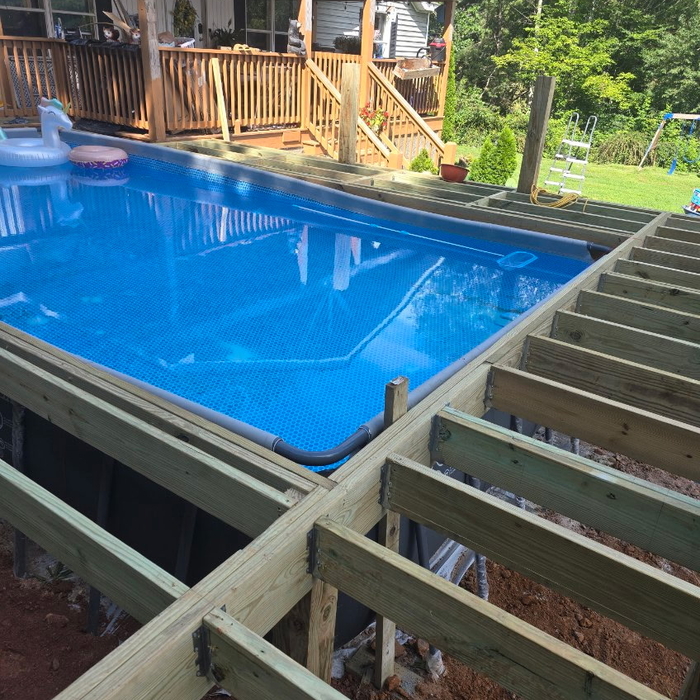
"We hired PB Painting Service to replace our rotted 16-18ft Deck Posts in the back of our cabin. They did a fantastic job on the back, so while they were here, we hired them to replace the front posts. Pablo and his crew are dedicated professionals and very polite."
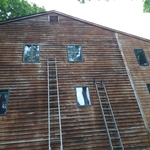
exterior painting
exterior painting
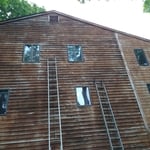
exterior painting
exterior painting
exterior painting

+33

Response time1 day
Response rate93%
13 neighbors recently requested a quote
Elitier construction
New to Angi
Drywall - Repair

Serving Elk Park, NC and surrounding areas

Approved

At Elitier Construction, we are committed to excellence, superior craftsmanship, and complete customer satisfaction. We take pride in delivering high-quality work with professionalism, integrity, and attention to every detail.\n\nOur commitment is simple: quality you can trust, fair and transparent pricing, and projects delivered on time. From start to finish, we work closely with our clients to bring their vision to life and deliver results that exceed expectations.\n\nAt Elitier Construction, we don’t just build projects — we build quality, trust, and lasting value.

1 neighbors recently requested a quote
...
Showing 1-10 of 102
Drywall questions, answered by experts

Yes, you can mount a TV on plaster walls—as long as you attach it to the studs. Alternatively, you can use toggle bolts, molly bolts, or another type of hardware that’s strong enough to support a TV. 

If you aren’t comfortable with this type of project, you can hire a pro. The cost of mounting a TV to a plaster wall ranges from $25 to $600 (or more), depending on the TV’s weight, size, and other factors.

This depends on how much plaster is applied and in how many layers, but a decent estimate is around 150 square feet. If you are applying only two coats on a small wall, there is a chance you may only need one or two gallons for the entire project. If you are plastering a large living room wall with high ceilings, using one of the more involved techniques–like Scagliola–that requires several coats, expect the project materials costs to add up quickly. 

The tool you use to sand plaster will depend on the size of the project. If you’re just working on a small section of your wall to get rid of an uneven spot on the surface, hand-sanding might work. However, for larger projects, a drywall sander can make a huge difference when it comes to both time and elbow grease—and an orbital sander can help for detailed areas such as around ceiling fans.

Although they have similar applications, spackle and joint compound are not the same. Their primary differences lie in their composition, consistency, and ideal use cases.

Spackle is composed of gypsum and binding agents, making it thicker than joint compound. It dries quickly and is easy to sand, which makes it ideal for small wall repair projects like filling nail holes or patching minor damage.

Joint compound, also known as drywall mud, consists of limestone and gypsum. It is primarily used for large-scale projects, such as taping and finishing the seams on newly installed drywall. It tends to shrink more than spackle and can be more difficult to spread.

While both products can be used to fill small depressions and cracks, spackle cannot replace joint compound for taping and mudding new drywall. Conversely, you can often use joint compound for small patching jobs typically done with spackle.

Plastering and skimming are two different techniques for finishing walls. Plastering involves applying a thick layer of a plaster mixture—typically containing gypsum, lime, cement, sand, and water—to create a new surface. This process often requires multiple coats and is used for repairing significant damage or creating decorative textures. Skimming, on the other hand, is a technique that involves applying a thin layer of drywall compound or joint compound over an existing surface to smooth it out, covering minor imperfections, small cracks, or uneven textures for a polished look. Plastering is generally more costly and labor-intensive than skimming. Although some people use the terms interchangeably, they refer to different processes and materials.

The Elk Park, NC homeowners’ guide to drywall services

From average costs to expert advice, get all the answers you need to get your job done.