"The tech was very knowledgeable and went above and beyond to satisfy us. Our faucet was broken would not attach to the sink as the copper seal broke to the water lines."
"One oven doesn't work at all ( my choice, see above), the "working" oven was never calibrated properly so using it is hit or miss. It's time to call American Home Shield to see about replacing the entire unit. I'm waiting to finish other home projects before calling them. I don't know if I'll request Greenway again."
Install Above Ground Pools questions, answered by experts
It’s fair to be concerned about handling pool lights or wiring in a pool filled with water. But fortunately, pool lights and swimming pools are designed to make it easy and safe to replace the lights without needing to drain the water. Instead, you can turn off the electricity to the pool as a safety precaution, unscrew the pool fixture, pull it up and out to the side of the pool, then change the bulb.
Pool concrete or gunite can take several weeks to cure, or an average of 30 days, before workers can resume construction. Additional work and finishes push the time to build a pool out of concrete to between three and six months. There are many types of pools that take far less time, so keep these in mind if you're on a short timeline.
Before deciding to install a swimming pool in your yard, there are many factors to consider. Even if you still need to figure out the specifics with your pool installer, having an idea of what you'd like will help the initial consultation. Some topics to consider include:
Will you use salt water for your pool or traditional hose water?
How big of a pool do you want to install? How deep?
What special zoning laws do you need to follow for your area?
Do you want to keep it simple or add special features like underwater lighting and waterfalls?
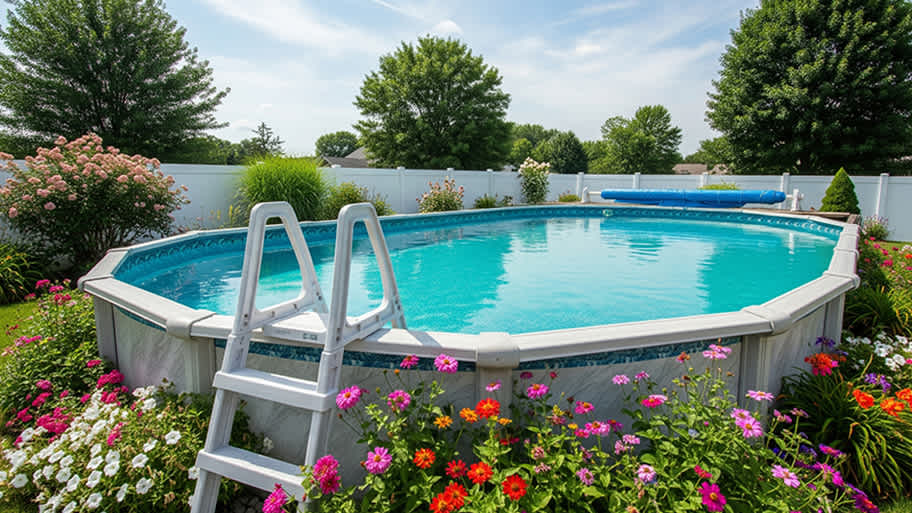
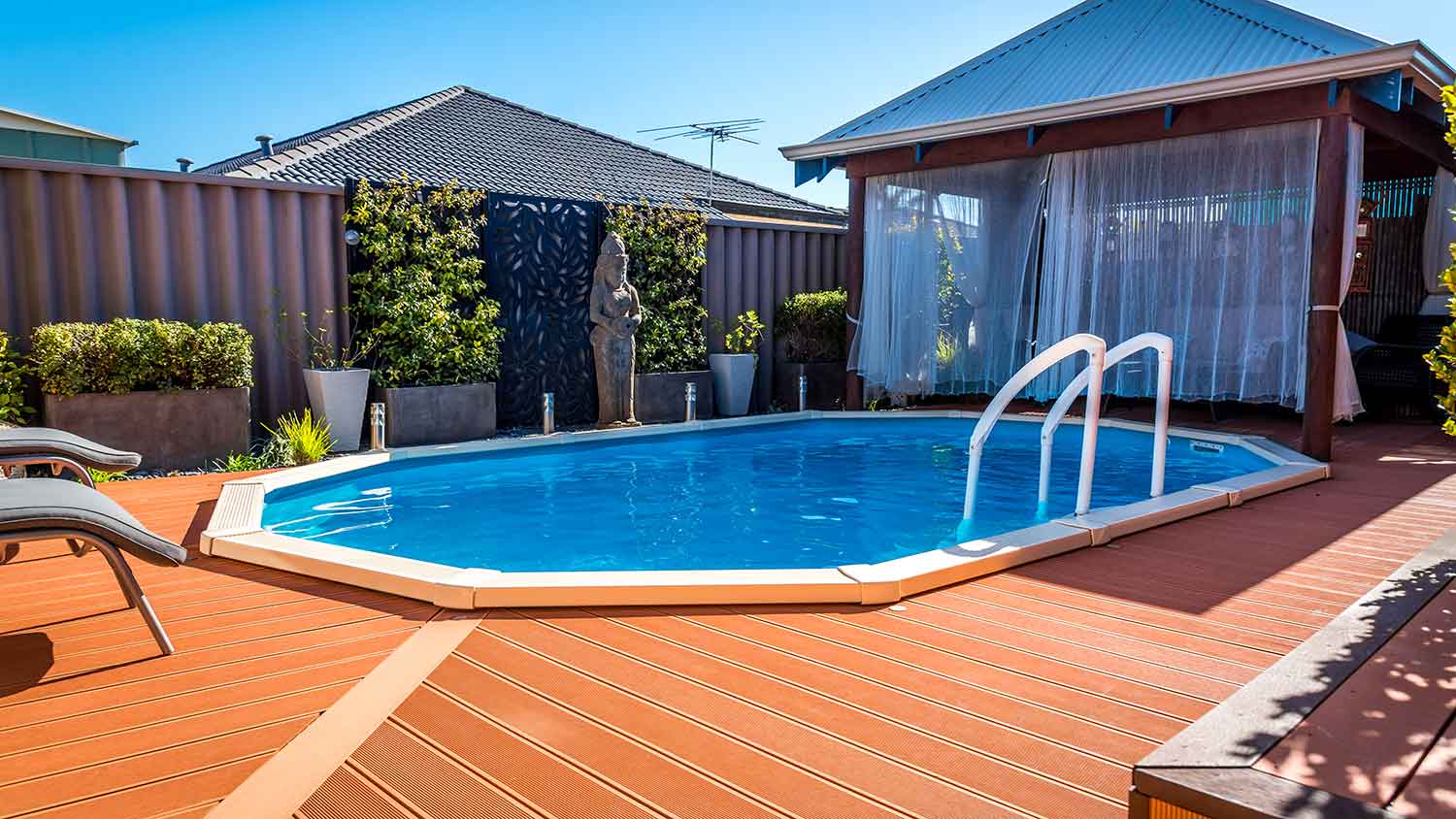
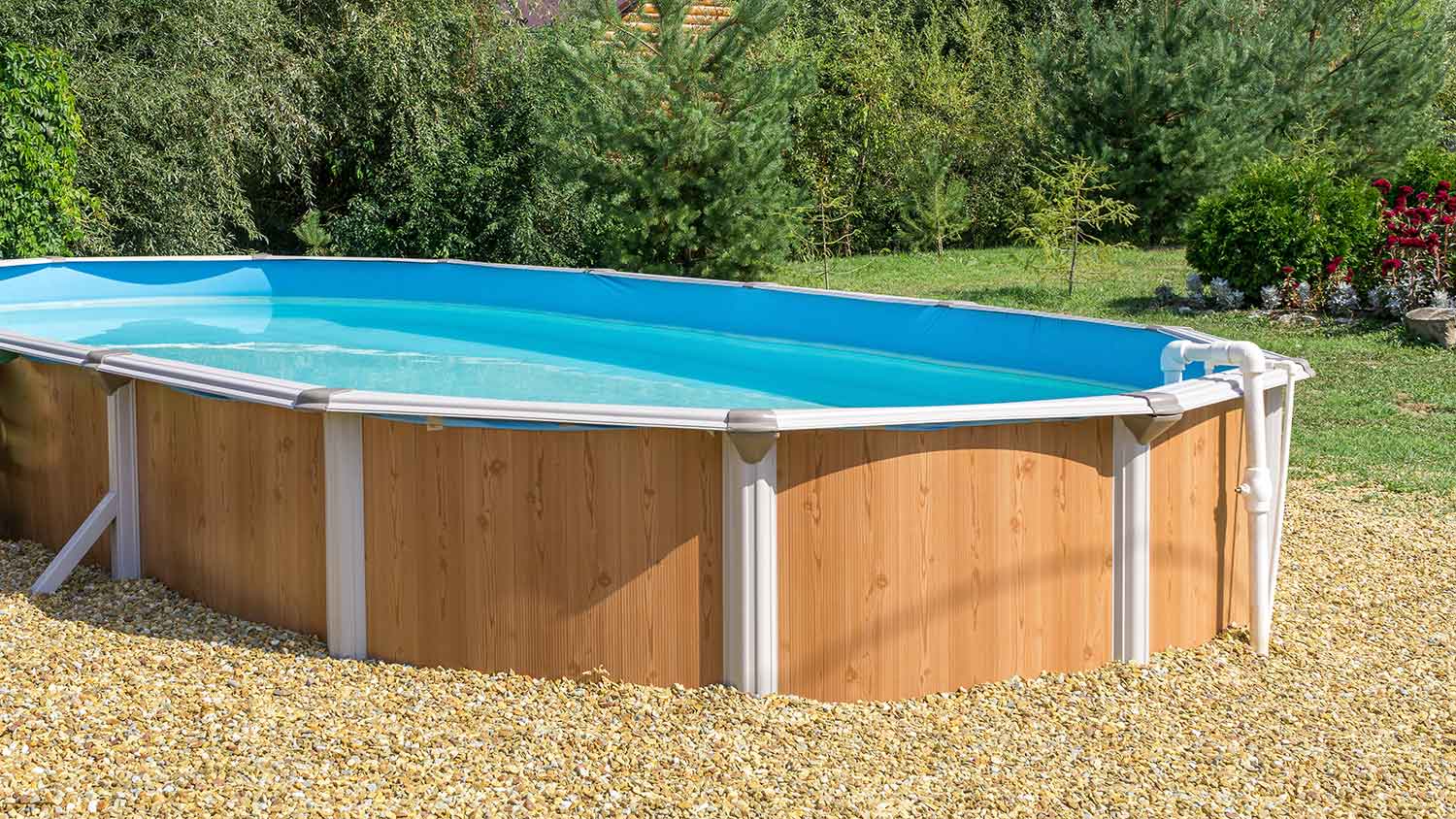
There are pros and cons of in-ground vs. above-ground pools, which you should consider when choosing the pool of your summertime dreams. Some factors to think about include:
Above-ground pools are semi-permanent and movable, whereas in-ground pools are permanent structures.
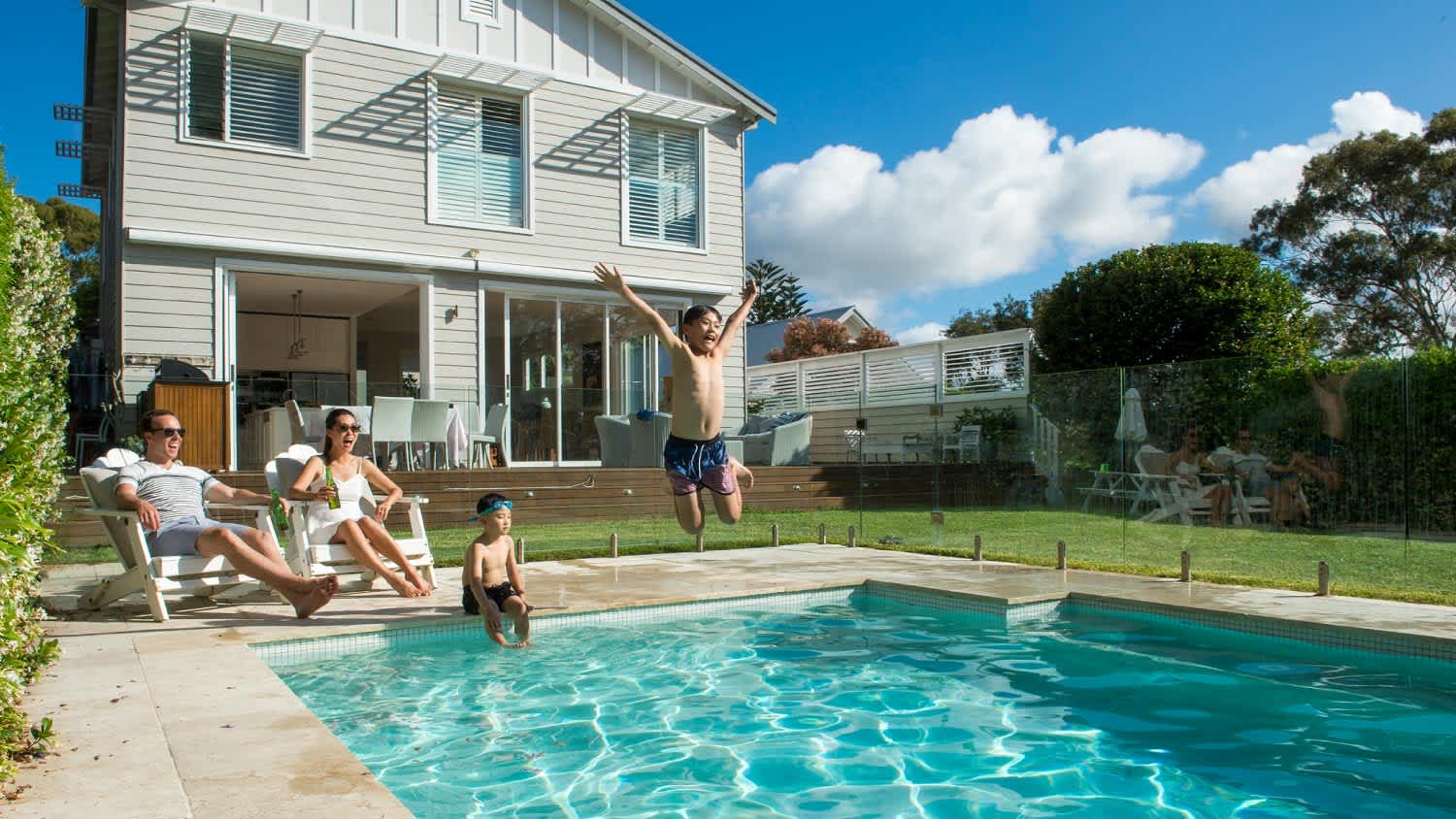
In-ground pools are more expensive to install than above-ground pools.
It takes one to three days to install above-ground pools and several weeks for an in-ground pool install.
You can install an above-ground pool in smaller yards, but you need plenty of space for an in-ground pool.
The average pool size in gallons is 15,360. This number is for a 16’ x 32’ pool with a four-foot depth. However, many pools have different depths at each end or irregular sizes, so you may need to use the formulas above to calculate exactly how many gallons of water you need.
The Walkerville, MT homeowners’ guide to above ground pool installation services
From average costs to expert advice, get all the answers you need to get your job done.
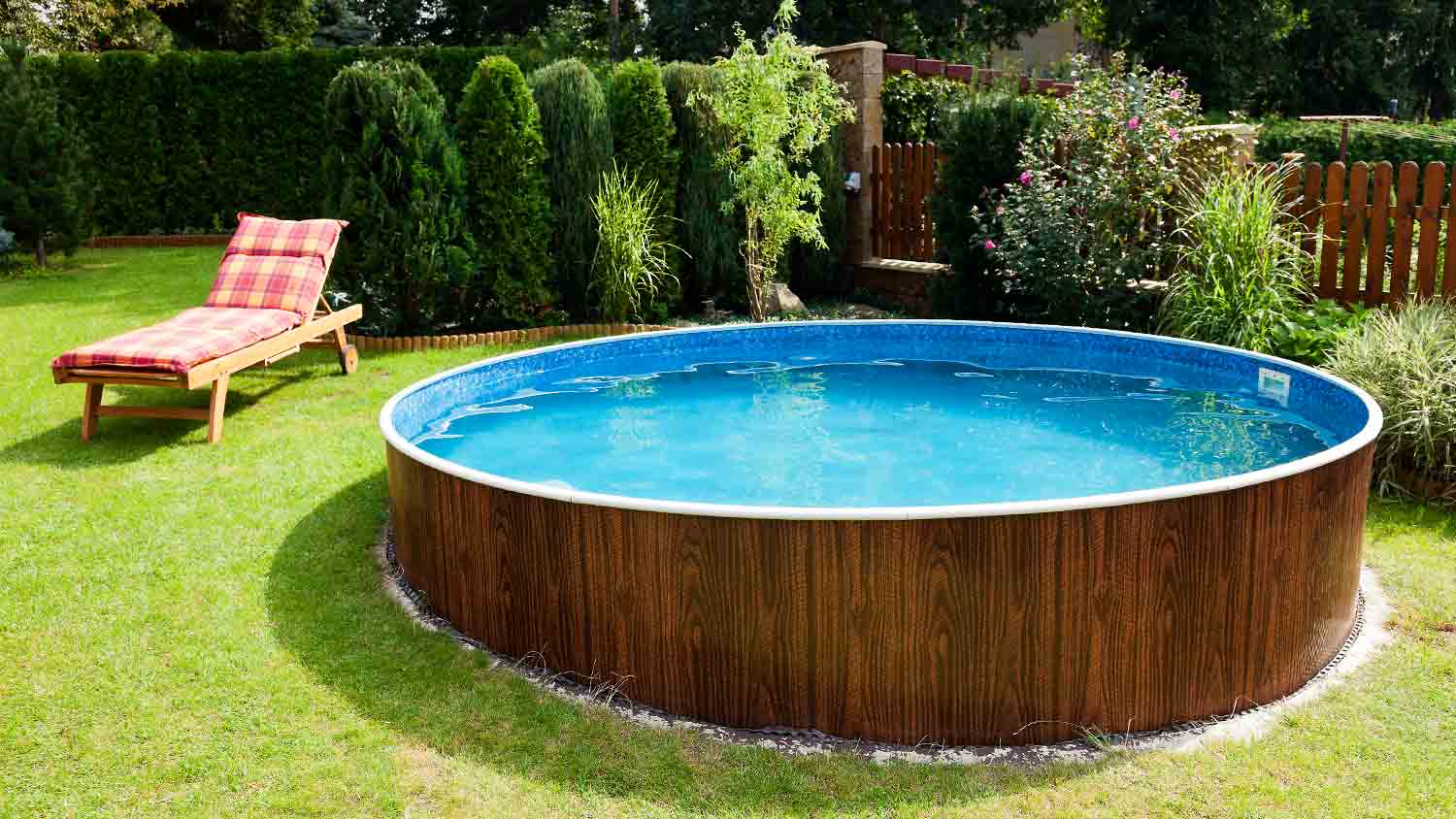
Above ground pools are more affordable than inground pools, so can you put an above ground pool in the ground to save money? Learn when it’s safe to do so.