
•
Discover how much pool maintenance costs, including average prices, cost factors, and expert tips to help you budget and keep your pool sparkling all season.
Let’s dive into the facts about cleaning your pool

Your pool needs pool maintenance chemicals like pH balancers, chlorine, alkalinity adjusters, and cyanuric acid to keep water safe and clear.
Expect to pay around $1,400 per year for professional pool maintenance, which keeps chemical levels balanced and prevents costly water quality issues.
Test your pool's pH, chlorine, and alkalinity levels at least two to three times each week to maintain proper balance and water clarity.
Hiring a local pool cleaning professional takes the guesswork out of chemical balancing and testing, keeping your pool safe and swim-ready all season.
When most people think of taking a dip in their pool, chances are that the cool water, the hot sun, and the smell of pool cleaning chemicals come to mind. While chemicals and maintenance are just par for the course for pool ownership, knowing how to choose the right cleaning chemicals is key to having a safe and healthy swim.
Here’s a breakdown of all the pool chemical basics you need to know to avoid cloudy pool water and have fun in the sun all summer long.
Knowing where to begin is a big part of successful pool maintenance practices. Remember that each type of pool requires different levels of each chemical due to their varying sizes and water makeups. Saltwater pools and natural pools, for example, follow a different rulebook than chlorinated pools. Here’s a basic overview of the different chemical elements for managing a pool.
The pH is a measure of your pool water's acidity levels. Your pool needs to maintain a pH level of around 7.5, which you should test regularly with pH strips. This can change depending on rainfall, frequency of use, number of swimmers, and debris entering the pool. If the number gets too high, you'll need to lower the pool's pH to avoid algae, scale buildup, and cloudy water. Raise your pool's pH when the water becomes too acidic to avoid corrosion, pool liner damage, and swimmer's eye.
Common pool chemicals such as muriatic acid can lower your pool's pH when it gets too high, while sodium bicarbonate—AKA baking soda—can lower it.
Where pH is how concentrated the acids are in your pool, alkalinity is how well the chemicals can neutralize acids. This level should be between 80 to 120 parts per million (ppm). Similar to testing the pH, test the pool's alkalinity regularly to avoid issues such as corrosion or algae. You’ll use chemicals similar to those above to balance the alkalinity of your pool, but always check the specifics for your pool type and size.
Chlorine is the key chemical in pools for fighting off germs. The right chlorine levels ensure that viruses, bacteria, and algae won’t build up in your pool water as swimmers come and go. You want your chlorinated pool to contain chlorine levels of around 1 to 3 ppm.
Some types of pools use salt and minerals in addition to a chlorinator system. Others skip chlorine altogether and opt for pure saltwater. Salt levels should be at around 2400 to 3200 ppm. Saltwater pool maintenance is often more complex than that of a traditional pool—it requires monthly salinity checks, weekly pH testing, and daily cleaning.
Balancing cyanuric acid is often the key to maintaining outdoor pools. The UV rays from the sun can break down chlorine, but cyanuric acid acts as a stabilizer, so chlorine can do its job. Your outdoor chlorinated pool needs around 30 to 50 ppm of cyanuric acid, while your saltwater pool needs about 60 to 80 ppm.
Calcium pool additives keep your pool water from becoming too hard. Unbalanced, hard water can damage your pool's finish and the water's pH and alkalinity levels. Adding calcium chloride keeps things stable, but keep in mind that the ideal calcium levels in your pool may differ based on your local climate.
Shocking a pool is a key pool-cleaning skill to develop since you'll need to do it once every couple of weeks. There are several main types of pool shocks that come with a range of chemicals and different prices. Shocking your pool both sanitizes the water and rids it of chlorine byproducts such as chloramine.
Algaecide can be used as both a proactive and reactive method for removing algae from your pool. Algaecide includes several types of copper and other metals to protect against algae growth. Applying algaecide may be necessary after adding pool shock or rebalancing your water's pH.
When you have time for a thorough pool cleaning, add a flocculant to clear up cloudy water quickly. Flocculant—often made of aluminum sulfate—binds large particles together so that they sink to the bottom of the pool. You’ll need to turn off your filter during the process and vacuum your pool of all the newly clumped particles before turning it back on.
If you don't have time to vacuum up the entire floor of your pool, use a clarifier for the same results without all the work. Clarifiers bind smaller particles together and allow the pool filter to take care of them. The process takes longer but is ideal for when your water starts to turn cloudy.
Pool bromine is a specific combination of sodium and oxidizers that act similarly to chlorine. Bromine often works best in hot tubs and when homeowners want to avoid that classic chlorine smell. Pool bromine costs more than chlorine, however, so it's not always an ideal long-term solution.
While there’s no perfect alternative to chlorine, there are eco-friendly ways to keep pools clean and safe while reducing the use of traditional chemicals if that’s something you’re interested in. A few methods include using a solar pool cover, which reduces chlorine evaporation and water wastage, switching to a UV and ozone oxidation system, or switching to a salt and mineral sanitation system.
Some homeowners even use an “all-natural” pool that uses aquatic plants and wildlife to maintain healthy pH levels and remove harmful contaminants like bacteria.
There are some downsides to natural pools to consider, however. For one, the water tends to have a green color to it, unlike that sparkling clear traditional pool. It also costs more than your standard pool and may attract unwanted critters.
There are two types of chlorine for pools—stabilized and unstabilized. Of these two types, there are even more options from which you can choose. Each type works differently, making it important for you to figure out which one is right for your pool. Here’s a brief look at the available chlorine options:
Who knew your pool could essentially get “sunburned”? That’s why stabilized chlorine contains something called cyanuric acid to balance out the chlorine and protect the chlorine from the sun’s UV rays. Stabilized chlorine is like sunscreen for your outdoor pool, and there are two types of stabilized chlorine options available:
Sodium Dichlor: This chlorine has a neutral and stable 6.5 pH level, 60% available chlorine, and high resistance to warm water temperatures, making it ideal for hot tubs.
Sodium Trichlor: These are your standard chlorine tablets for pools, which have a pH level of 3, 90% chlorine availability, and a slow-release mechanism that keeps your pool sanitized.
Unstabilized chlorine does not have cyanuric acid in it. So, unlike stabilized chlorine, unstabilized chlorine must be used often and in higher concentrations to keep your pool clean.
Sodium Hypochlorite: Sodium hypochlorite, or bleach, helps maintain a pool’s pH and calcium levels. It has a high pH of 13 and is diluted to 10% to 12% chlorine availability. This option is most commonly used for commercial pool maintenance and water parks.
Calcium Hypochlorite: You can use this popular type of unstabilized chlorine to sanitize your pool. It has more chlorine available than the other unstabilized options (65% to 75%) and a high pH of 12.
Lithium Hypochlorite: This chlorine option is ideal for decontaminating your pool when there is an overgrowth of algae, bacteria, and other microbes. It has 30% to 35% of chlorine available, an 11 pH, and is a granular form for quickly dissolving in the pool.
There are also two types of chlorine forms that you can choose: liquid or solid-form chlorine.
The oldest and most popular method of pool chemical maintenance comes in liquid form with a limited shelf life of just a few weeks. This option costs around $30 per gallon. To apply liquid chlorine to your pool, all you need to do is just pour in the correct amount directly into the water.
Solid-form chlorine tends to be more expensive at $50 per bucket, but it also lasts longer. You can purchase pucks, tablets, and granules, and they last indefinitely. Solid chlorine tablets are placed inside a pool chlorinator or floating dispenser, where they slowly release chlorine into the pool.
However, keep in mind that solid-form chlorine takes longer to work because it needs to dissolve over time. If you’re hoping to sanitize your pool immediately, opt for liquid chlorine. If your pool is already well-maintained, a slow-releasing tablet is a good choice.
Many homeowners care for pools on their own, but for anyone new to the art of maintaining a clean pool, it's best to hire a pool maintenance team for the best results.
For one, costs for chemicals vary based on pool size and type. The warmer the climate and the more use the pool gets, the greater demand for sanitization. So, pools in sunny Florida will use more chemicals and must meet different standards than those in the Midwest.
To keep your pool properly balanced, you should regularly test or hire a local swimming pool cleaner to test the pH levels, available chlorine, total chlorine, calcium hardness, alkalinity, and cyanuric acid/stabilizer. Pools may need to be over-chlorinated or “shocked” to return to normal levels when water levels don’t balance. Unbalanced pools may have algae growth or scaling.
Allie Ogletree contributed to this article.
If you’re good people wanting to do business with good people, hire Matt. He is a consummate professional and utterly competent. He installed a water heater in my home at a price that beat competitors by hundreds of dollars with a promise to support the unit for its life (even after its 6 yr...
 Greene's Plumbing Services
Joseph did a great job with the staircase and trim. Timely and efficient, clear communication about the work, very fair pricing. For the stairs in particular, done very skillfully in an old house (1893) in a tight spiral, and very creative with how to do the handrail. Did a nice job with...
 Vouis Trim Carpentry L.L.C.
This company does it right. Firstly, I want to say that Landan was a joy to work with. He was so kind, transparent, and had everything under control. His entire team showed up ready to work and they were all very respectful of the fact that we were in an office space. A little backstory – we...
 Krumlauf Floors
Professional Team, smooth to communication chain and schedule flexibility. Follows proper construction procedure and completes task on time.
 Pegasus Concrete
Very professional, knowledgeable and helpful! Completed the install on time and as expected.
 Ward's Services
Cole has been handling plumbing and general contracting for our four properties over the past three years, and he’s always done a great job. Most recently, he installed a sink and countertop in our retail store where none existed before, and it turned out exactly how we needed. He’s...
 ANB Renovations LLC
Excellent, Prompt, Courteous Service!!! They were super friendly and quite personable. I felt very comfortable with the gentlemen that did the installation. They installed it exactly where I asked them to and they did an excellent job!! I loved their service so much.
 Tether House
I hired windows depot USA of central to install new windows in house in Oshawa. Ilya was very professional from the start, not only did he offered a great price, he also made sure the installation was on time. I am very satisfied with final outcome. The windows look great and the overall...
 Window Depot USA of Central Ohio
The guys did an outstanding job and we had a great experience with CarifaTile. I appreciated that Joe reviewed the quotes with me and set expectations prior to the install. The crews showed up as scheduled and always left the areas clean upon leaving the house. We will definitely use...
 CarifaTile
Did an amazing job transforming my yard. Also installed sod in places, would recommend to everyone.
 Cardinal Landscaping & Construction LLC
From average costs to expert advice, get all the answers you need to get your job done.
Discover how much pool maintenance costs, including average prices, cost factors, and expert tips to help you budget and keep your pool sparkling all season.
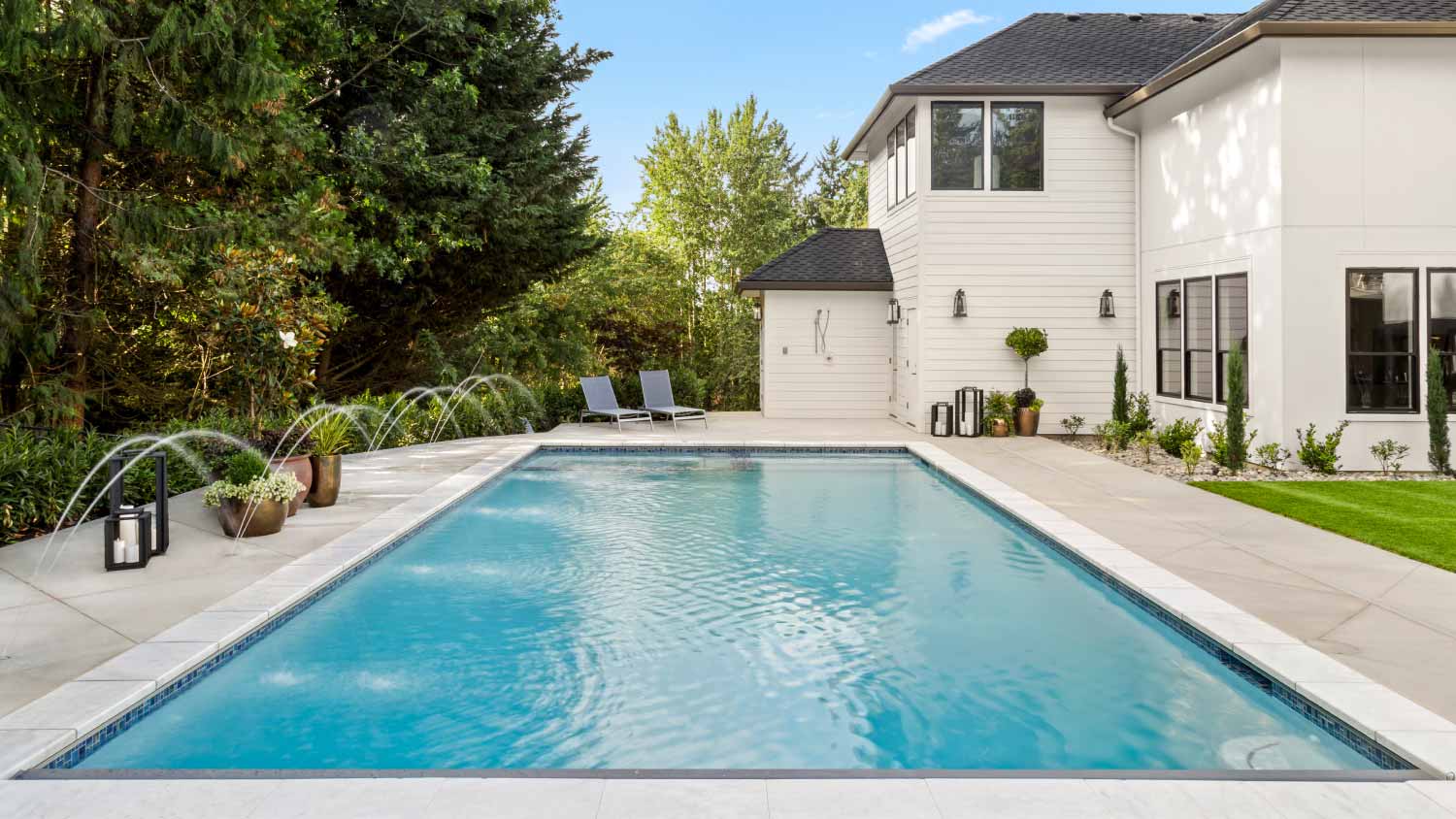
When murky waters and slimy surfaces get in the way of your pool parties, it may be time to consider the cost to acid wash a pool. Refresh your pool by bringing in the pros.

If you’re looking to get your backyard summer-ready, use this guide to learn pool opening costs, budget appropriately, and how to save money.
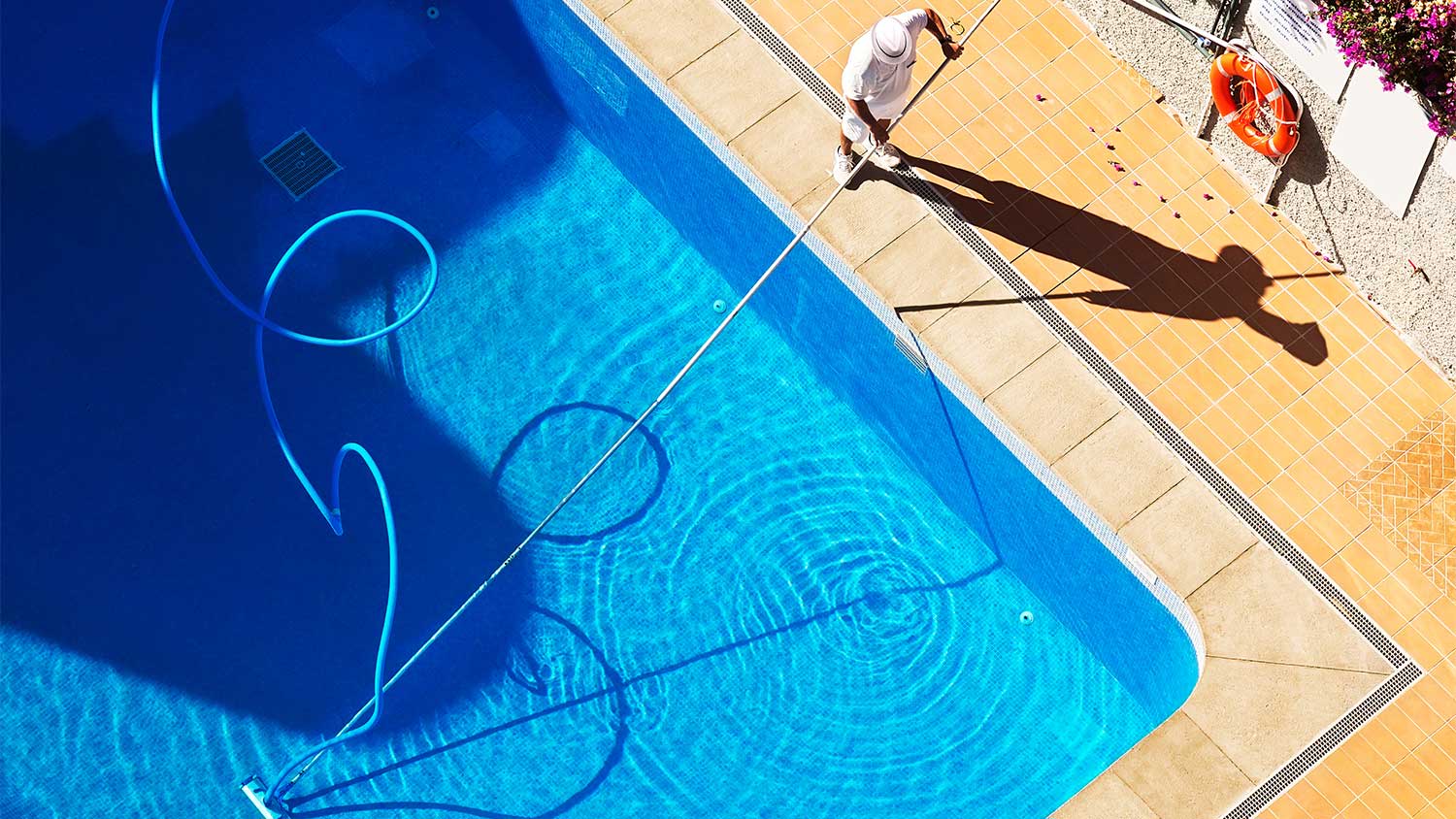
It can take a lot of work to keep a swimming pool running right. Here’s how to hire a pool maintenance pro so you don’t have to lift a finger to enjoy your pool.
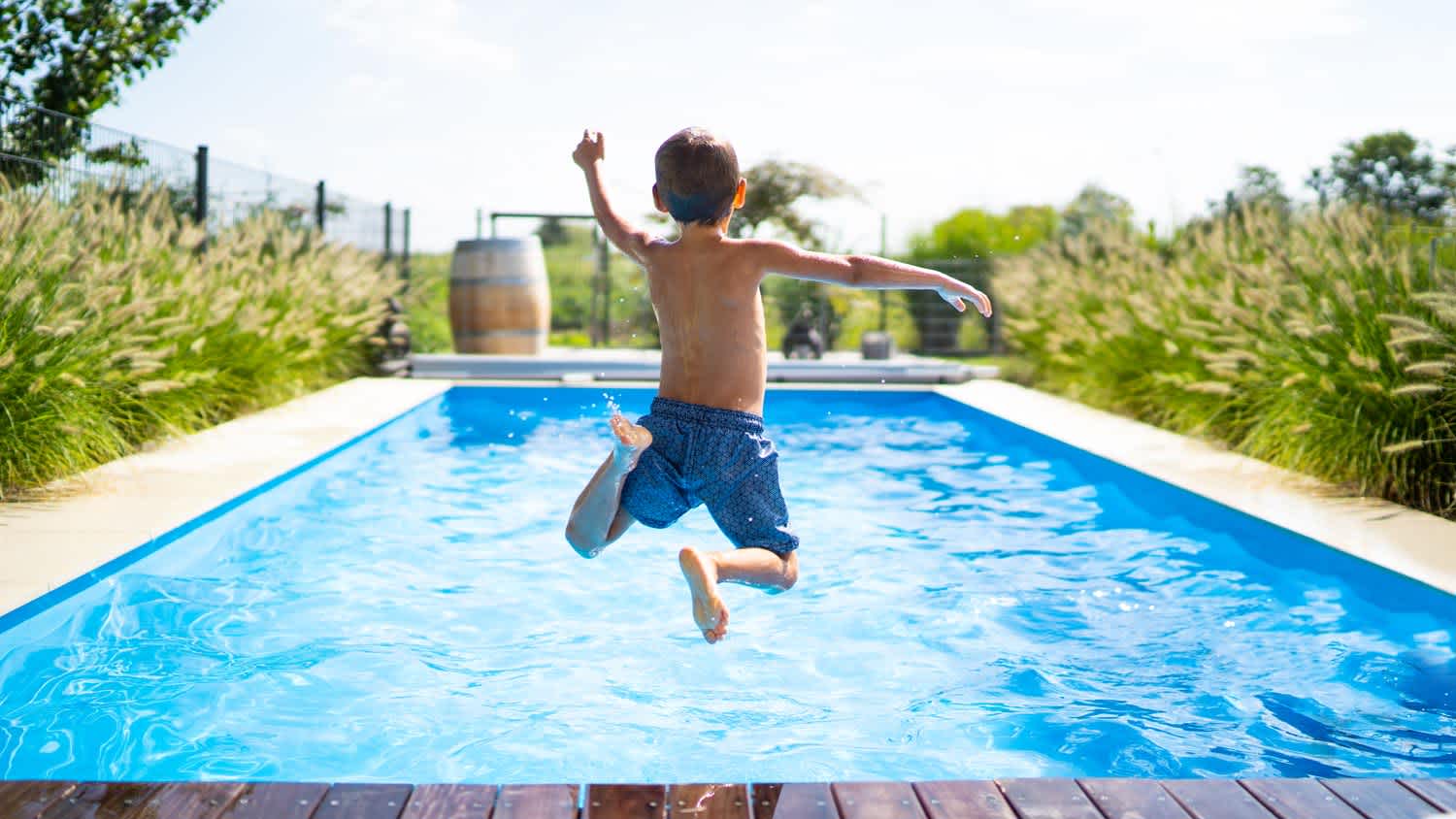
An easy weekly pool maintenance checklist can keep your pool free of algae and debris so you and your family can swim all summer long.
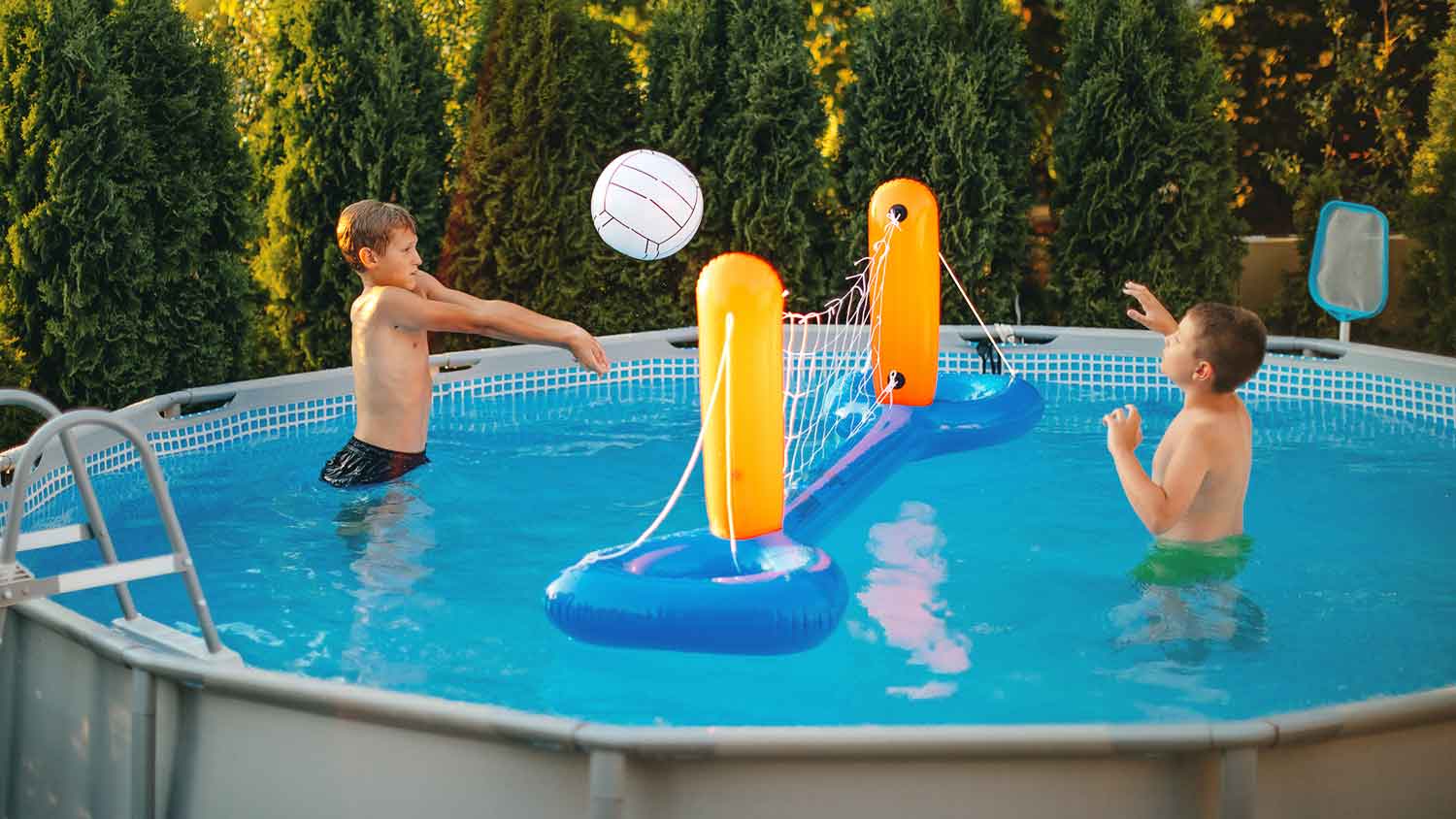
The key to maintaining an aboveground pool is using the right tools and chemicals for the job. Use this guide to learn how to clean an aboveground pool.