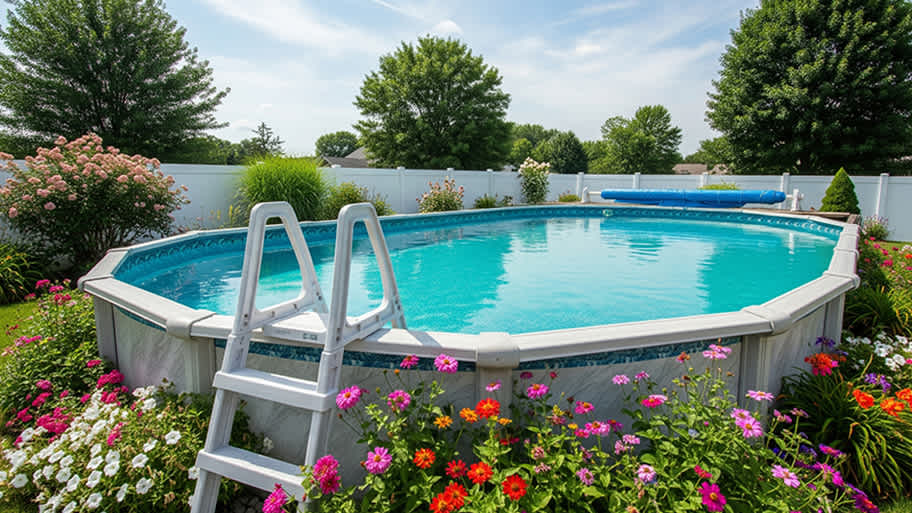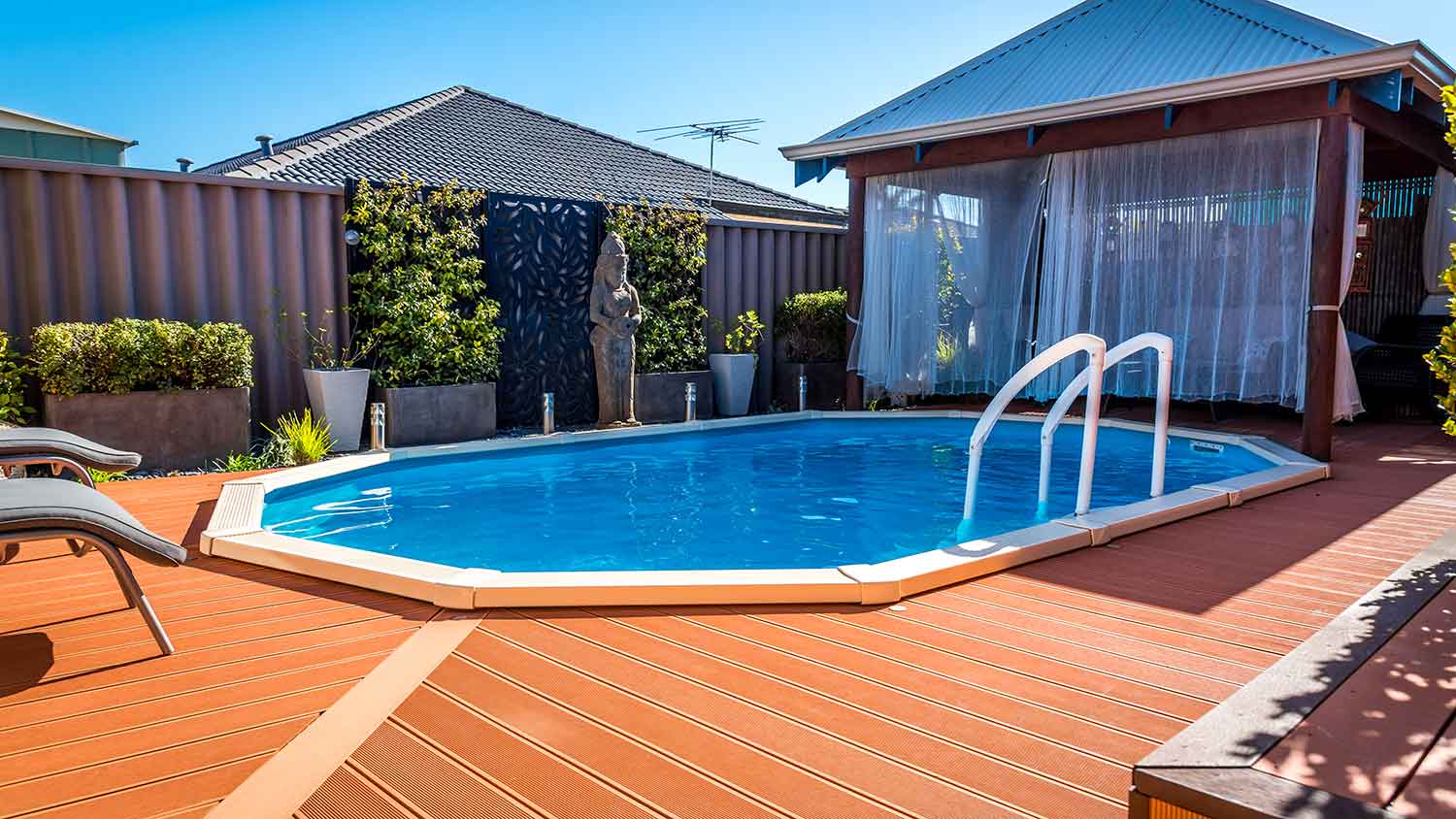






Top-rated above ground pool installation pros.

Get matched with top above ground pool installation pros in Superior, MT

Enter your zip and get matched with up to 5 pros

Need a pro for your above ground pool installation project in Superior, MT?

Select your specific project to find the pro for you.

Find Above ground pool installation pros in Superior

Install Above Ground Pools questions, answered by experts

It depends. Your pool might need chlorine every day if the water is exposed to direct sunlight and you use your pool frequently. UV light and constant use will deplete chlorine levels more rapidly. Test your water regularly to see where your levels sit and adjust accordingly. Generally speaking, most homeowners need to add chlorine following a water chemical test about one to three times per week.

Sometimes, homeowners choose to install their pool on concrete, foam tiles, or patio pavers. Leveled dirt is also fine, as long as it’s not sod or grass. Regardless, you’ll need to install sand as a buffer to prevent your liner from tearing. Some pool installers also use a protective foam pool pad.

Baking soda can help to clear your cloudy pool water if the alkalinity or pH is too low. Adding baking soda to your pool will increase the alkalinity and help bring your pH levels to a more comfortable range. Be sure to test the water as you add baking soda.

The time it takes for a pool heater to heat a pool can range from eight to 48 hours, with an average of about 12 hours for the initial heating. For a more specific example, an average-sized 15,000-gallon pool may take six to 10 hours to heat up by 10 degrees. The exact duration depends on several factors, including the pool's size, the type and size of the heater, the starting water temperature, and the outside air temperature. It may take some trial and error to determine the precise time your specific pool takes to reach a desired temperature.

Yes, pool pumps use a significant amount of electricity, making them one of the biggest energy consumers in a home. A pool pump can use up to three times as much electricity as a refrigerator. Typically, a residential pool pump consumes about 1 kilowatt-hour (kWh) for every hour it runs. Because pumps often need to run for about eight hours a day to properly filter the water, this can add up to an annual consumption of 3,000 to 5,000 kWh, which can cost between $480 and $800 per year based on average electricity rates.

The amount of electricity your pump uses depends on its size, energy efficiency, and daily run time. To lower your energy consumption, you can choose an energy-efficient or variable-speed pump, ensure it is correctly sized for your pool, and run it only for the minimum time required to keep the water clean.

The Superior, MT homeowners’ guide to above ground pool installation services

From average costs to expert advice, get all the answers you need to get your job done.