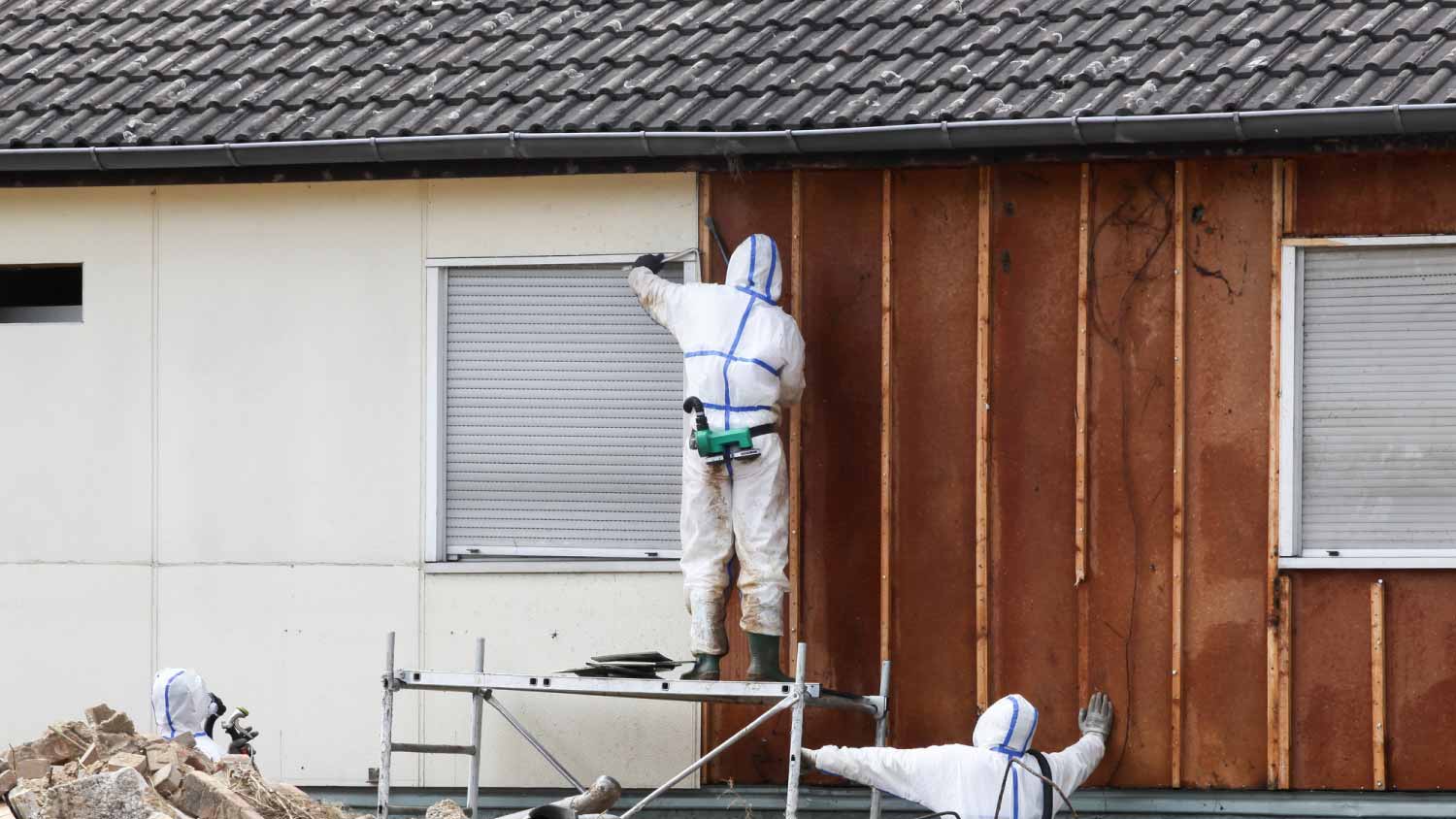
Top-rated asbestos removal specialists.

Get matched with top asbestos removal specialists in Superior, MT

Enter your zip and get matched with up to 5 pros

Need a pro for your asbestos abatement project in Superior, MT?

Select your specific project to find the pro for you.

Find Asbestos removal specialists in Superior

Avatar for TCH Builders & Remodeling
TCH Builders & Remodeling
4.0(
2
)
Asbestos - AbatementAsbestos - TestingAsbestos Siding - Repair

Serving Superior, MT and surrounding areas

In business since 1999

Emergency services offered

Credit card accepted

If you dream it, we can build it. What's the biggest difference between us and them? We build to last! We offer a full line of Green and Energy Star Certified products, backed by our labor and manufacturer's lifetime transferable warranties. Credit Cards Welcome Financing Available OAC.

Recommended by100%of homeowners
Allen's Siding & Windows, Inc.
New to Angi
Asbestos Siding - Repair

Serving Superior, MT and surrounding areas

In business since 1988

Allen's Siding & Windows, Inc., is a Full Service,Owner Operated Company for over 17 years in complete exterior home improvements from custom design additions, sunrooms, patios, and decks to complete siding and window installations and repairs as well as all exterior window treatments including custom shutters and awnings. We specialize in ALSIDE ULTRAMAX Windows, which have been energy star partner for 3 years running. We work with you from start to finish with complete client focus, and professional personalized service giving superior craftsmanship with attention to each detail to ensure we create the vision you have for your home. Hire The Contractor not a Salesman. Please see our website at www.sydngys.com

Asbestos Removal questions, answered by experts

To seal off, or encapsulate, asbestos-containing materials in your home, you’ll need to utilize a sealant specifically designed for asbestos encapsulation. These sealants bind with asbestos fibers to keep them from spreading throughout the air and causing bodily harm. In many cases, these sealants can be simply painted on, but you’ll need to wear a protective body suit as well as an asbestos-rated respirator to interact with these materials safely.

Abatement focuses on immediate hazard control while remediation encompasses a comprehensive cleanup and long-term safety strategy. Abatement refers specifically to reducing or eliminating the immediate hazard by removing or encapsulating it. It’s a targeted approach aimed solely at controlling asbestos risks. Remediation is a broader term that involves the entire process of addressing contamination to restore a safe environment. Remediation can include abatement, decontamination, air quality testing, and post-cleanup monitoring.

Epoxying over asbestos tiles is generally considered a safe option when done correctly. Epoxy acts as a sealant, encapsulating the asbestos tiles and preventing the release of asbestos fibers into the air. The key is ensuring that the asbestos tiles are in good condition, firmly adhered to the substrate, and not damaged or deteriorating. This method is only appropriate for tiles that are undamaged and securely in place. If the asbestos tiles are already loose, damaged, or deteriorating, encapsulating them with epoxy may not be a sufficient solution, as it might not address the potential for ongoing asbestos exposure.

Asbestos-containing materials are not easily affected by water and do not disintegrate or dissolve when exposed to it. However, porous materials can deteriorate due to water exposure, leading to the release of asbestos fibers into the air. The settling of asbestos fibers can also occur as water makes them heavy, which reduces the risk of airborne exposure, though future disturbance of the materials could cause risk. Wetting asbestos-containing materials does not constitute safe removal, and the proper handling and disposal of asbestos materials should be left to professionals.

According to the Environmental Protection Agency (EPA), hazardous waste is generally classified into four main categories:

1. Characteristic Wastes: These exhibit at least one of four hazardous traits: ignitability (flammable, like gasoline), corrosivity (can rust or decompose materials, like car batteries), reactivity (unstable and can explode, like aerosol cans), or toxicity (harmful when ingested, like lead-based paint).

2. Listed Wastes: These are specific wastes from manufacturing and industrial processes that the EPA has officially designated as hazardous. They include byproducts from processes that use solvents, pesticides, and other chemicals.

3. Universal Wastes: These are commonly generated hazardous items that are subject to streamlined regulations. Examples include batteries, pesticides, mercury-containing equipment (e.g., bulbs), and some lamps.

4. Mixed Wastes: This category includes waste that contains both hazardous and radioactive components, making it subject to regulation by both the EPA and the Nuclear Regulatory Commission.

The Superior, MT homeowners’ guide to asbestos removal services

From average costs to expert advice, get all the answers you need to get your job done.