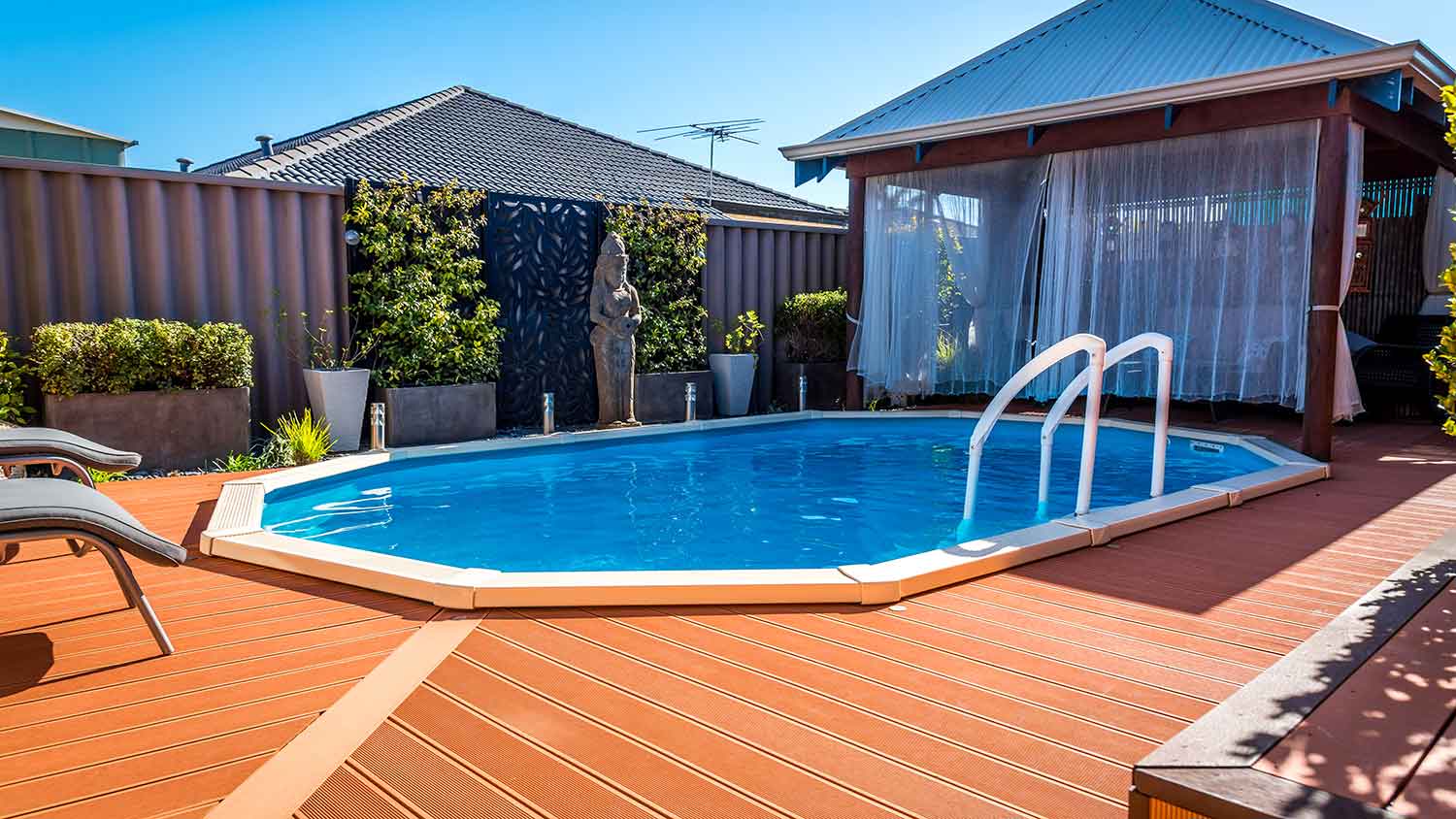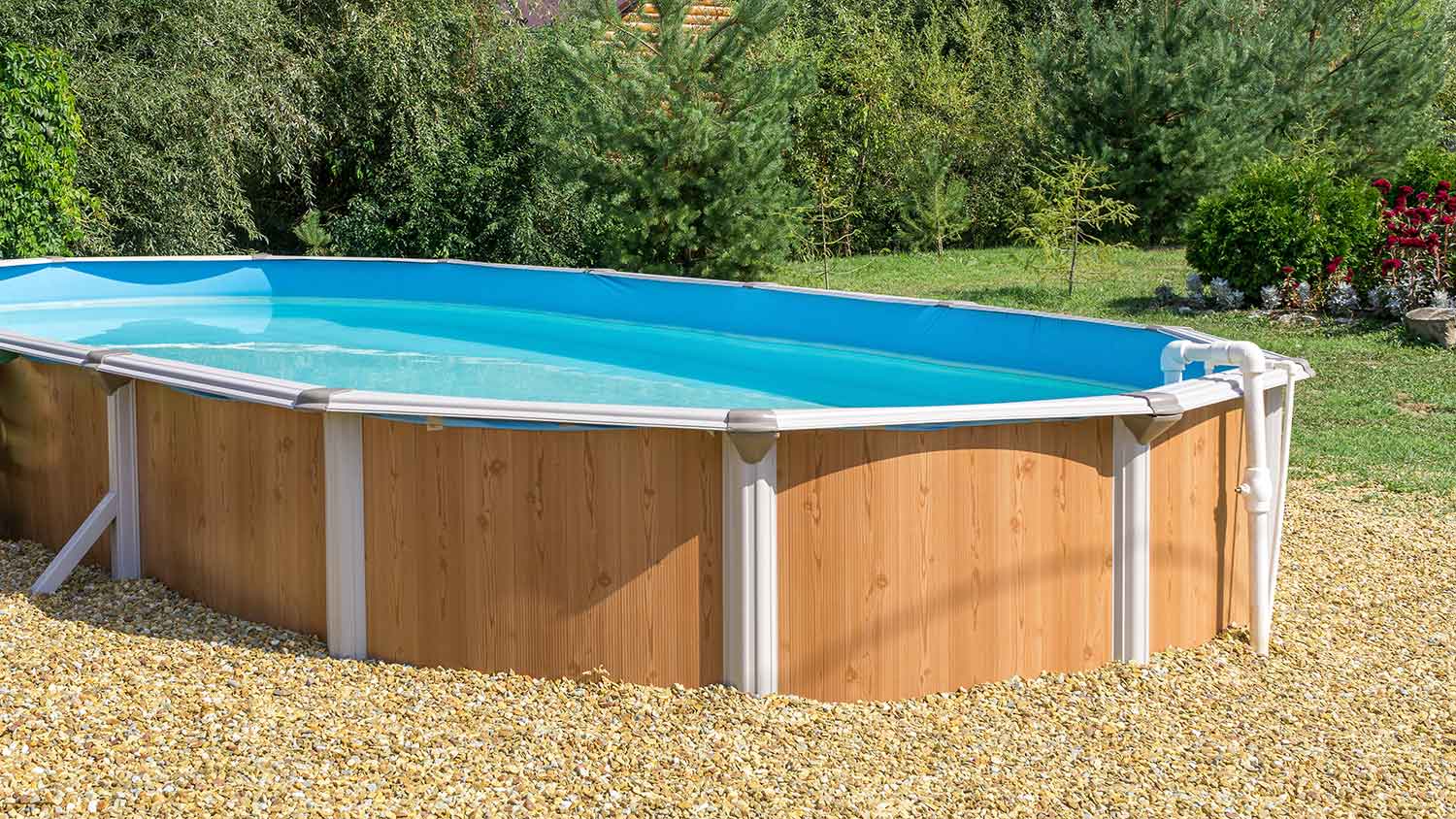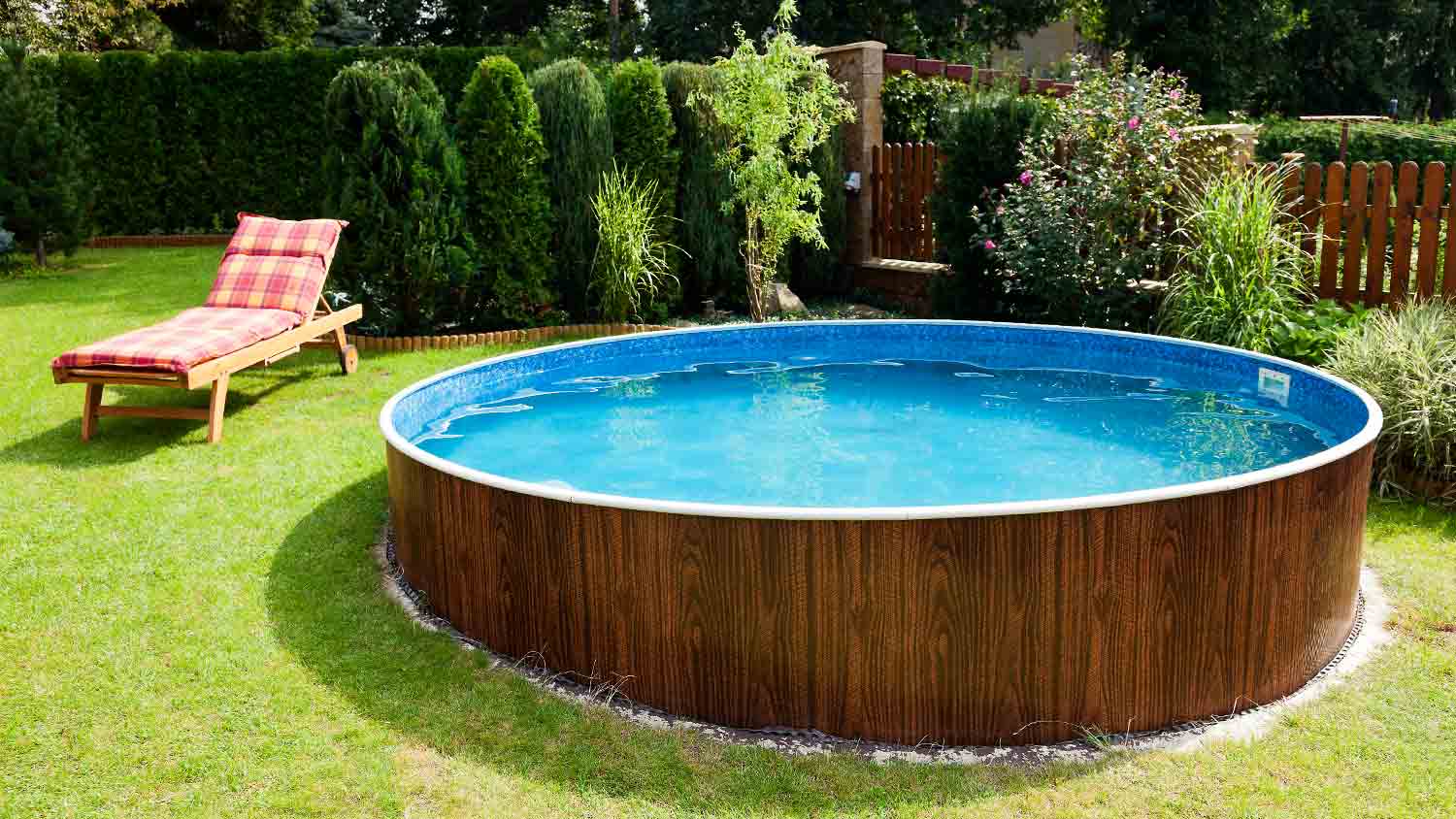





Top-rated above ground pool installation pros.

Best above ground pool installation pros near Kila, MT

Enter your zip and get matched with up to 5 pros

Need a pro for your above ground pool installation project in Kila, MT?

Select your specific project to find the pro for you.

Top-Rated Above ground pool installation pros in Kila - Updated Nov 2026

Install Above Ground Pools FAQs, answered by experts

The average 12-by-24-foot in-ground pool costs $48,500, but depending on the features and materials, prices can trend even higher. You’ll spend less on a rectangular vinyl or fiberglass pool than on a concrete pool in an elevated style (think infinity pool or lagoon pool). Added features like heating, lighting, diving boards, or decking will increase your overall cost.

No, pool jets should not have air coming out. While it’s a common problem, making it seem like air coming out is the norm, bubbling pool jets are a sign of loose bearings or fittings, or low water levels. You should get to the bottom of your jets releasing air bubbles because it could be a sign that there’s air entering the pump, which can shorten the lifespan of your pump or lead to costly repairs.

Yes, you can put too much shock in a pool, and it is crucial to follow the directions on the product you are using. Adding excess shock can upset the chemical balance, make the water cloudy, have adverse effects on swimmers, damage pool equipment or surfaces, and even encourage certain types of algae to grow. If you have over-shocked your pool, perform a water test and adjust the chemicals as necessary. The pool's chemical balance will eventually return to normal as the excess chlorine dissipates over time.

Permits are generally required to build an in-ground swimming pool. These permits cover aspects like zoning, safety fencing, and electrical work. Obtaining the correct permits involves coordination with local building authorities.

Calcium lumps in a pool are calcium deposits that form when a pool's water parameters are not in the normal range. They can float around on the surface of the pool water, making it look and feel dirty. The most common causes of calcium lumps in pools are calcium hardness above 1,000 ppm, alkalinity over 120, and a pH over 7.8. Keeping your pool’s calcium levels, alkalinity, and pH levels within the normal, safe ranges is the best way to prevent calcium lumps and other problems, including damage to the pool surface.

The Kila, MT homeowners’ guide to above ground pool installation services

From average costs to expert advice, get all the answers you need to get your job done.