





Top-rated drywall pros.

Get matched with top drywall pros in Billings, MT

Enter your zip and get matched with up to 5 pros

Need a pro for your drywall service project in Billings, MT?

Select your specific project to find the pro for you.

TRUSTED BY BILLINGS, MT HOMEOWNERS

  • Average homeowner rating star icon4.5
    Average homeowner rating
  • Verified reviews icon61
    Verified drywall services reviews

Find Drywall pros in Billings

Avatar for The Mud Studs
The Mud Studs
5.0(
30
)

Serving Billings, MT and surrounding areas

Approved

In business since 2000

Free estimates

Emergency services offered

"Daniel and his team was great! Highly recommend this company. They removed wood paneling in two rooms and installed new drywall. Also did several drywall repairs throughout the house."
Response time7 hrs
1 neighbors recently requested a quote
Recommended by100%of homeowners
Avatar for Burch Drywall And Paint, LLC
Burch Drywall And Paint, LLC
4.4(
66
)

Serving Billings, MT and surrounding areas

Approved

In business since 1987

Free estimates

Credit card accepted

"Mr. Burch and staff, took great care of our home. Mark is an excellent craftsman. They were timely, trustworthy, and always considerate. If one chose NOT to use Burch Drywall, they would be missing an opportunity to showcase beautiful work."
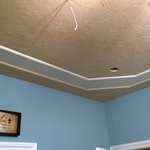
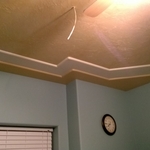
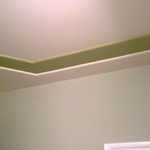
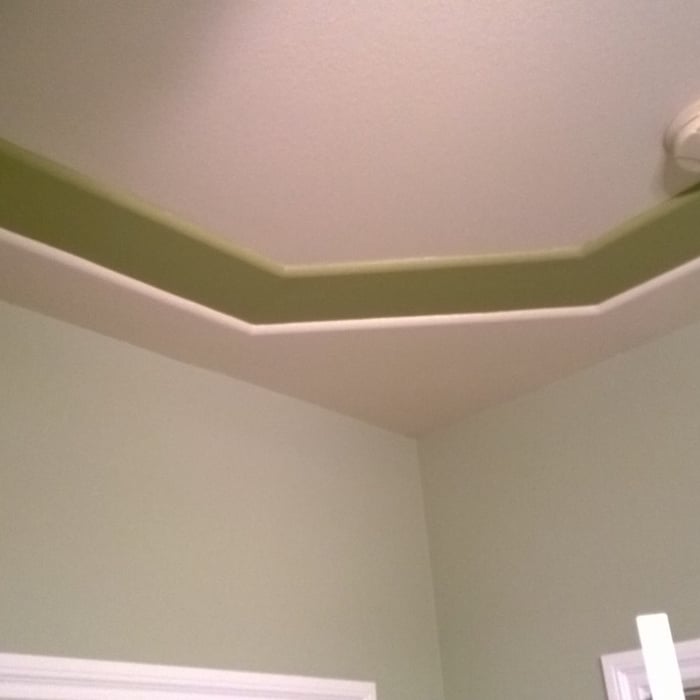
Race Track On Ceiling

+10

Response time1 day
Response rate89%
Recommended by93%of homeowners
Avatar for A & T Painting, Inc.
A & T Painting, Inc.
4.9(
12
)

Serving Billings, MT and surrounding areas

Approved

Super Service Award Winner

In business since 2009

Customers say: Terrific value

"Outstanding customer service. Painted entire 2 floors :walls and ceilings using 2 colors. Includes kitchen and pantry, family room with 20 ft ceilings and a floor to ceiling fireplace, living room, dining room, office, laundry room, 2 staircases, hallways, 4 bedrooms, 3.5 bathrooms applying some with spraying and some with roller or brush. I would highly recommend!"
Entry way
Response time2 days
1 neighbors recently requested a quote
Recommended by66%of homeowners
Reliable A-Wall
4.8(
7
)

Serving Billings, MT and surrounding areas

In business since 2008

Free estimates

"The owner is a warm and understanding person whom you can trust while working in your home. Her work and techniques are very professional and the total job was beautiful. My daughter and I are amazed at the quality of her work! Our home looks wonderful and we will enjoy it for years to come. I will definitely refer Reliable A-Wall to my friends and neighbors."
Response time1 day
Recommended by100%of homeowners
...
Showing 1-10 of 59
Drywall questions, answered by experts

Knowing what causes drywall damage can help stop it before it starts. Here are some of the most common causes of drywall damage: 

  • Water damage from roof leaks or leaky pipes. 

  • Small holes caused by doorknobs, minor accidents, and rodent infestations. 

  • Wall dents stemming from moving furniture and minor accidents. 

  • Wall cracks that form from a settling foundation or seismic activity. 

  • Nail pops from nails and screws in the walls. 

  • Large holes that are caused by accidents with heavy objects, children and pets, or sporting equipment.

If the holes in the plaster are small, you can fill them with layers of patching plaster until they’re filled. After it dries, you can sand the plaster and paint over it. If the hole is much larger, consider using bonding plaster first and then a layer of patching plaster, completing the process with sanding and a layer of paint.

The two most common drywall thicknesses for ceilings are 1/2-inch and 5/8-inch. For most standard residential applications, 1/2-inch drywall is sufficient and widely used. It provides adequate support and is lighter and easier to handle during installation compared to thicker sheets. However, 5/8-inch drywall is often used for specific cases where additional benefits are needed. It is heavier but provides superior sound dampening and fire resistance. You should consider using 5/8-inch drywall for ceilings in commercial buildings, between a garage and a living space, or above a finished basement to meet building codes or for enhanced soundproofing.

This depends on how much plaster is applied and in how many layers, but a decent estimate is around 150 square feet. If you are applying only two coats on a small wall, there is a chance you may only need one or two gallons for the entire project. If you are plastering a large living room wall with high ceilings, using one of the more involved techniques–like Scagliola–that requires several coats, expect the project materials costs to add up quickly. 

The short answer is yes, a sagging plaster ceiling is dangerous. Sagging plaster on a wall is something you should fix immediately, but it isn’t a major concern. If the same type of sagging occurs on a ceiling, however, you could be in danger of your ceiling falling in large chunks. When plaster sags, it loses its strength and ability to hold itself up. The bonds that hold it together are strong, though, so if a sagging area falls, it will take large pieces down with it.

The Billings, MT homeowners’ guide to drywall services

From average costs to expert advice, get all the answers you need to get your job done.