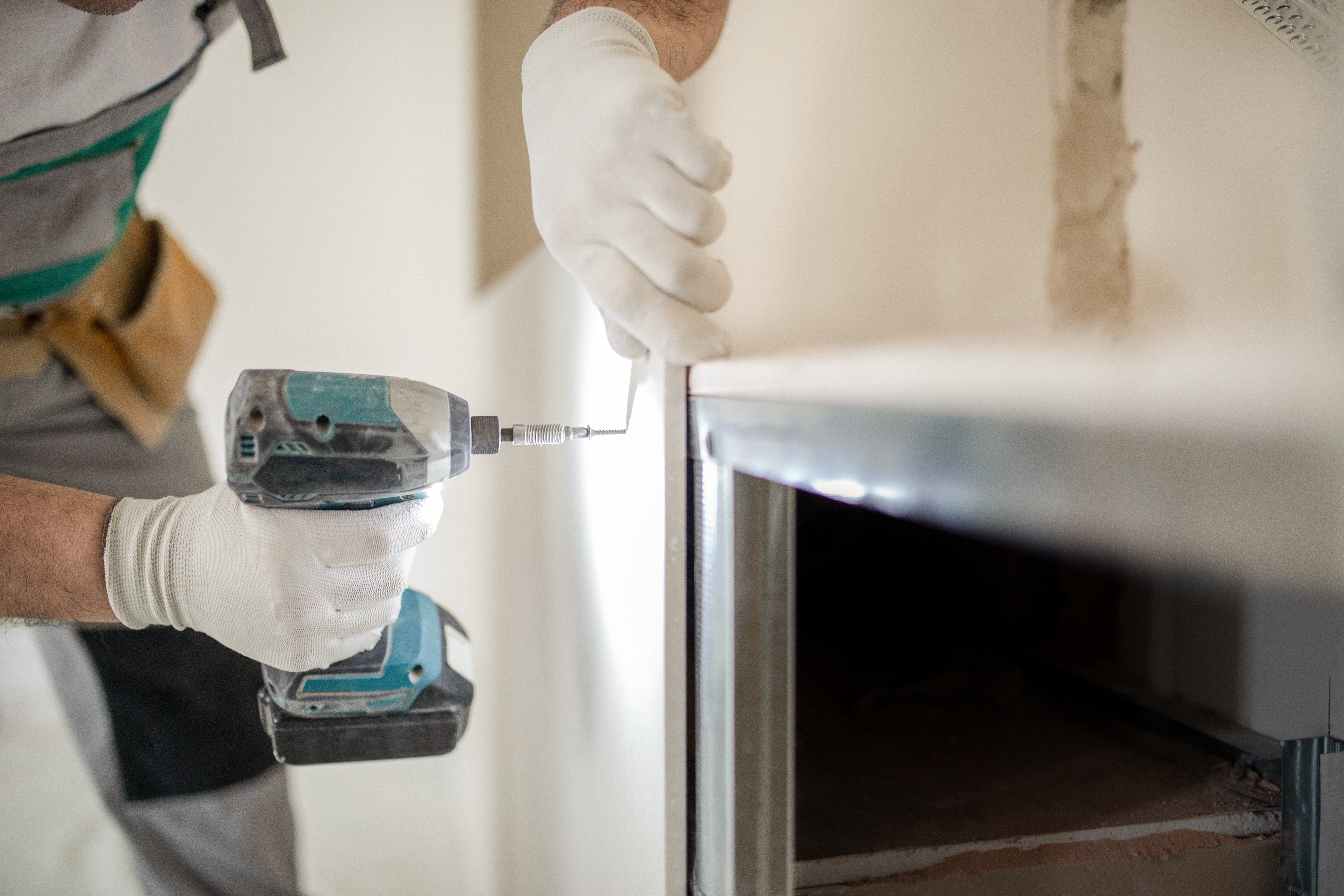
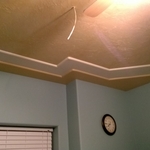
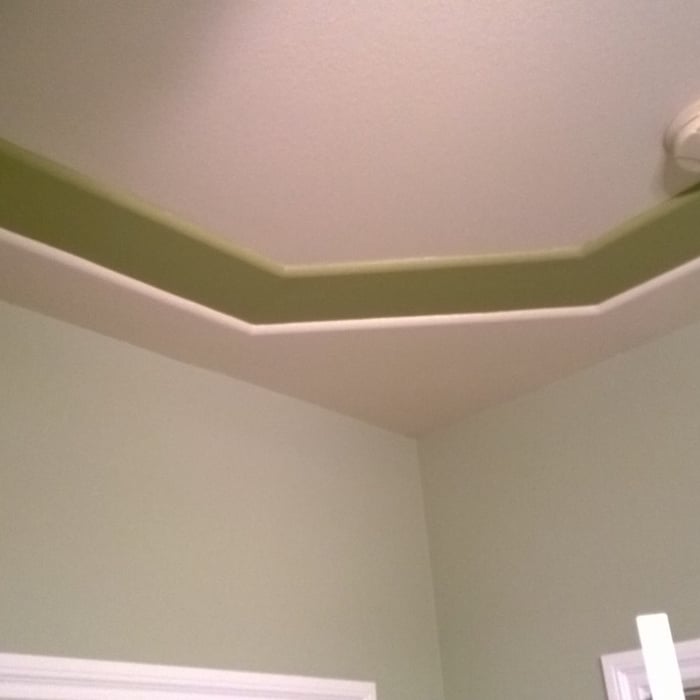
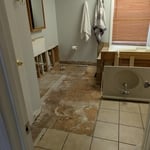
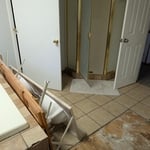
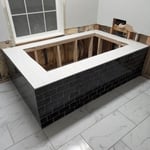
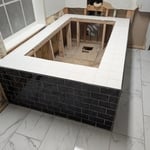
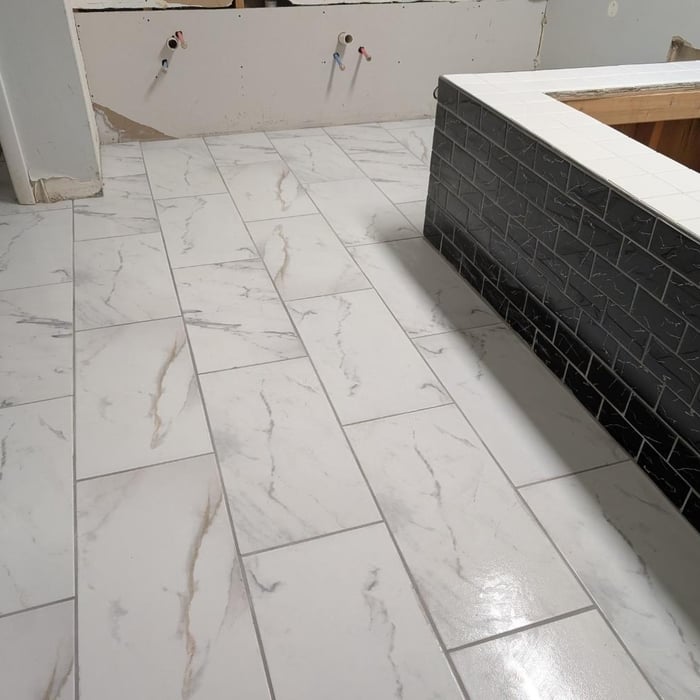
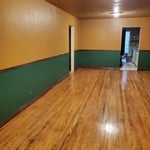
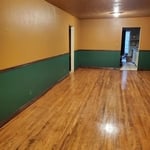
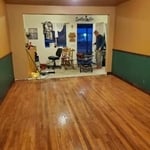
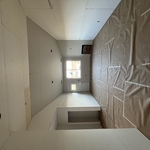
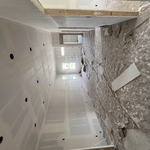
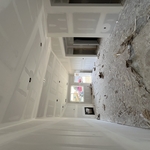
"Daniel and his team was great! Highly recommend this company. They removed wood paneling in two rooms and installed new drywall. Also did several drywall repairs throughout the house."
"When Burch drywall came to complete the work they were very professional, worked hard and did excellent work in efficient time with a reasonable rate. I would highly recommend them and will hire them again for any future projects."
"The owner is a warm and understanding person whom you can trust while working in your home. Her work and techniques are very professional and the total job was beautiful. My daughter and I are amazed at the quality of her work! Our home looks wonderful and we will enjoy it for years to come. I will definitely refer Reliable A-Wall to my friends and neighbors."
"Chris did the new drywall installation for our restaurant in an old building. He cost a little less than I thought it would & his quality was excellent in every respect. Highly recommended!"
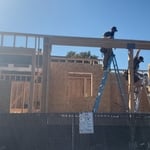
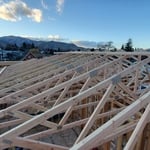
"Taylor did a beautiful job with our roof. We had several things go unexpected but he was able to solve each thing as it came up. He was prompt andcourteous. After he finished our roof on record time he cleaned up our yard and all waste. Taylor went over and beyond what we hired him for, he made sure that he included us on all decisions. I would hire Taylor again hands down."
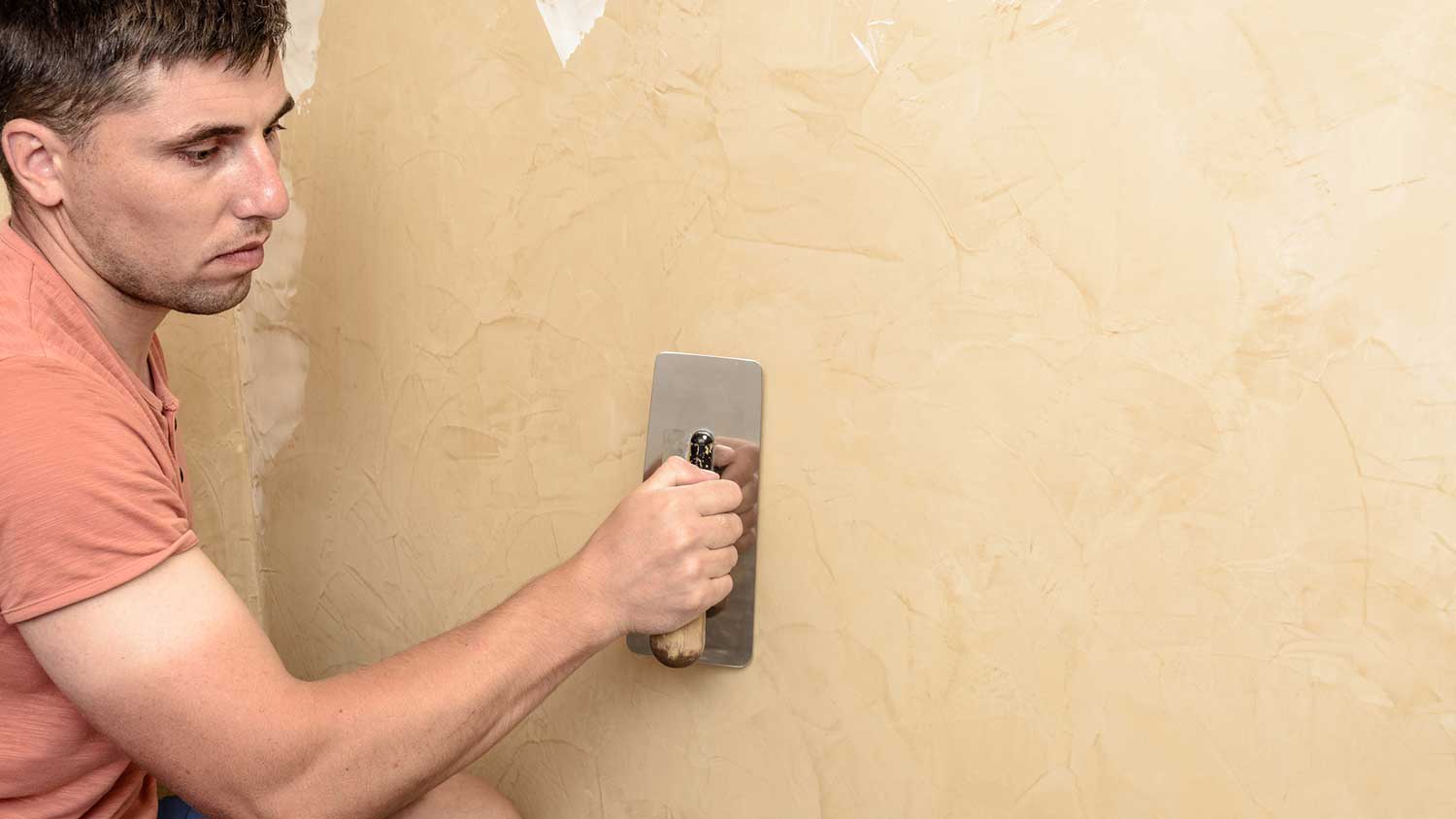
Plaster can be a difficult DIY to master, especially if you plan to plaster an entire room, rather than patch a small area. Before you begin a plaster DIY project, you need to know which tools and type of plaster to use. It's also important to know how to prepare the surface and apply the plaster for a smooth finish. If that all sounds like a lot of work, you may prefer hiring a local plaster repair contractor to do the job.
Plastering lasts for around 15 to 20 years without needing repairs or maintenance in most cases, and with proper upkeep, plastering can last a lifetime—sometimes more than 100 years. Plaster repair costs between $1 and $3 per square foot, and you may need these services once every 15 to 20 years or so unless you have a harsh climate where humidity changes are a constant issue. You can also opt to skim-coat plaster for between $0.90 and $1.30 per square foot, which may serve you better in the long run.
Choose a drill bit that is the size of the screws of the anchors you will use. You aren’t drilling through metal or concrete—hopefully—so any standard twist, wooden or all-purpose drill bit will work fine. It’s also important to have a screwdriver capable of drilling through the drywall and into the stud. The good news is most available drills, even the older ones, can do this with no issue.
Furring strips, thin strips of wood or metal, are not always required for ceiling drywall installation. If the ceiling surface is even and in good condition, drywall can be directly attached to the ceiling joists using screws. However, furring strips become essential when dealing with irregular surfaces or when additional insulation or soundproofing is needed. They create a level substrate for attaching the drywall. Ultimately, the decision to use furring strips depends on the condition of the existing ceiling and the specific requirements of the project.
With its breathability and flexibility, lime plaster is among the most durable of all plaster types. It's also fire-resistant and has a proven track record, as people have been using it for thousands of years.
However, all plaster types will last for many years with the right care and treatment. Proper preparation and installation will also help ensure your plaster walls look great for as long as possible.
The Laurel, MT homeowners’ guide to drywall services
From average costs to expert advice, get all the answers you need to get your job done.
Drywall texture can create an attractive finish and add dimension to your home’s walls. This guide breaks down the factors that influence the cost to texture drywall.
Installing drywall is the most common way to finish your home’s interior. Use this drywall installation cost guide to see what your project is likely to cost.
Whether you want to spruce up a few dents and dings or fix a large surface area, investing in drywall repair costs can return your walls to a smooth, flush look.
Understanding the plaster vs. drywall debate is key to giving your home’s walls the perfect finish. Learn more about the pros, cons, and costs with our advice.
The terms drywall and Sheetrock are often used interchangeably, but one is a brand and one is a specific product. Find out which one you need in this guide.
Thick gaps and extra joint compound can alter the look of drywall. So, should drywall be butt up against a wall? Review this guide for seamless installation.