



Top-rated excavation pros.

Get matched with top excavation pros in Maysville, MO

Enter your zip and get matched with up to 5 pros

Need a pro for your excavation project in Maysville, MO?

Select your specific project to find the pro for you.

Find Excavation pros in Maysville

Avatar for Home Remodel and Repair
Home Remodel and Repair
5.0(
10
)
Landscape - Minor Grading or Resloping

Serving Maysville, MO and surrounding areas

In business since 2001

Small jobs welcome

"Having been in the industry my whole life, I've never dealt with a more professional and thorough professional. He is very meticulous and clean, and works efficiently and fast!"
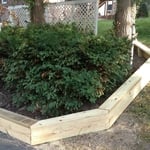
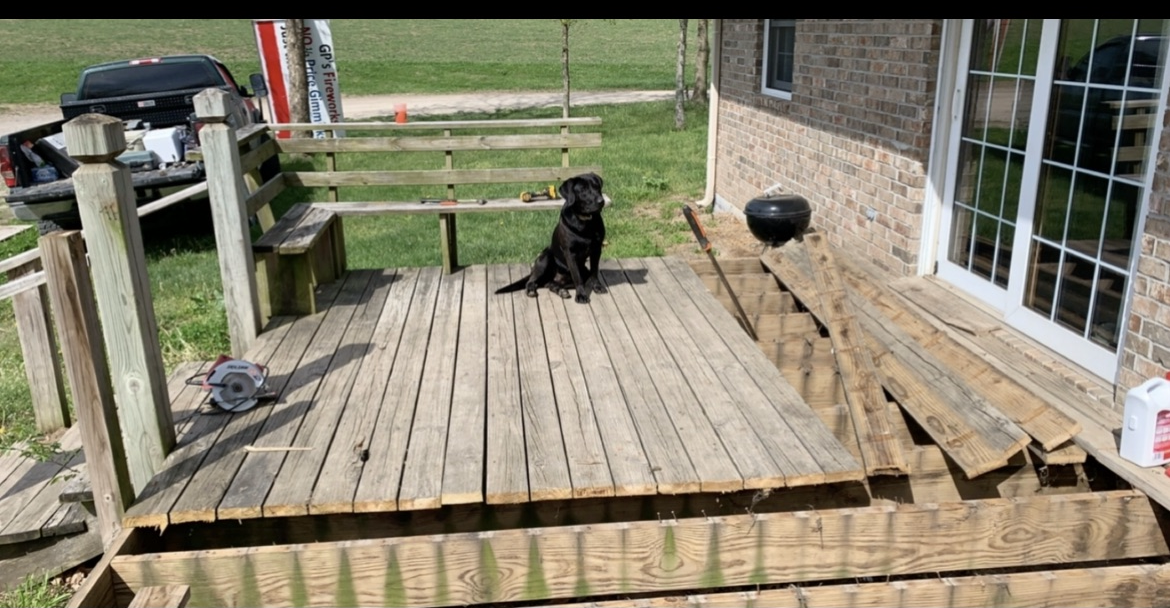
Rustic Flower bed
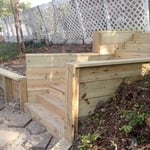
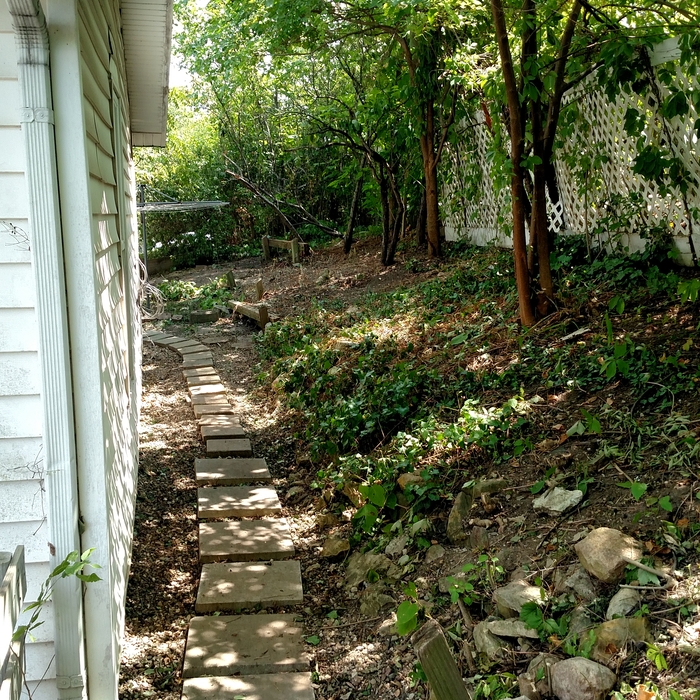
Steps with wrap around flower bed
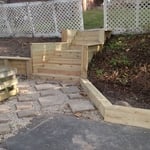
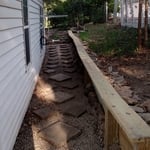
Steps and Retaining wall
Rustic Retaining wall

+1

Response time2 days
Recommended by100%of homeowners

TLR Excavating
New to Angi
Building Site - Preparation and ClearingBuilding Site - Preparation and Clearing - For BusinessExcavation - Major Grading or Resloping+1 more

Serving Maysville, MO and surrounding areas

In business since 2017

Free estimates

Offers commercial services

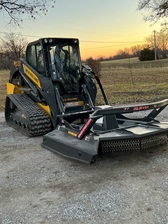
TLR Excavating is committed to excellence in every aspect of our business. We uphold a standard of integrity bound by fairness, honesty, and personal responsibility. Our distinction is the quality of service we bring to our customers. Accurate knowledge of our trade combined with ability is what makes us true professionals. Above all, we are watchful of our customers' interests, and make their concerns the basis of our business.\n

Cole excavating & dirt work - Home Facebook
New to Angi
Building Site - Preparation and ClearingExcavation - Major Grading or Resloping

Serving Maysville, MO and surrounding areas

In business since 2020

Free estimates

Credit card accepted

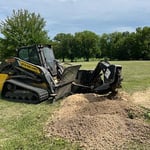
We take great pride in our experience, expertise, quality, and customer service that we provide to meet the consumer's needs. It is our mission to provide excellent workmanship and complete customer satisfaction, from the start to the completion of a project. In order to understand the needs and expectations of our customers, we take great care to work and communicate with every customer in a professional manner. Our reputation is based on service, safety, and quality, regardless of how large or small the job.

Response time1 hour
Showing 1-10 of 37
Excavating questions, answered by experts

As a general rule, the protected area should be about 1½ times as wide as the canopy of the tree’s leaves. This digging measurement can vary by tree species and the age of the tree. Of course, that can be a lot of fencing for larger trees, which is why our first step is about making difficult decisions on which trees to save.

Digging a bush up by the roots is the most natural DIY method for removing a bush stump. Start by identifying the shrub type and revealing its roots. Cut the shrub to its base and loosen the soil, ensuring no utility lines are nearby. Optionally, treat the base with herbicide, then dig around the roots and cut a circle around the shrub using various tools. Dig a trench, cut the base of the root ball, and finally fill the hole to prevent regrowth. This thorough process ensures complete removal without damaging surrounding areas.

Concrete blocks are the cheapest way to base a shed. However, the space in between allows critters to go under, burrow, and even damage your shed’s frame. For a more pest-proof option, consider building a shed base with gravel or paver stones. Both options are fairly affordable and easy enough for a DIY project. For gravel, you can build a wooden frame to contain the loose material.

The best type of soil to build on is a mixture of sand and clay, known as loam soil. Loam soil has the best combination of these soil types to build a foundation on. The clay particles help with water retention, so it won’t erode like sandy soil might, and the sandy particles help with drainage, so you won’t see unsafe soil expansion or have an increased risk of leaks from water sitting against your foundation.

There is no standard depth for burying a septic tank; they are typically buried anywhere from 4 inches to 4 feet underground. The final depth depends on several factors, including the depth of your main sewer line, the height of the bedrock, soil type, local regulations, and the property's landscape. If you plan to grow grass or plants over the tank, a depth of at least 4 to 6 inches is recommended. Deeper tanks can be more difficult to locate, but a septic professional can help find it for you.

The Maysville, MO homeowners’ guide to excavation services

From average costs to expert advice, get all the answers you need to get your job done.