





Top-rated arborists.

Get matched with top arborists in Fairdealing, MO

Enter your zip and get matched with up to 5 pros

Need a pro for your arboricultural service project in Fairdealing, MO?

Select your specific project to find the pro for you.

TRUSTED BY FAIRDEALING, MO HOMEOWNERS

  • Average homeowner rating star icon4.4
    Average homeowner rating
  • Verified reviews icon40
    Verified arboricultural services reviews

Find Arborists in Fairdealing

Winchester Farm Tree Removal + More
New to Angi
Tree RemovalTree Stump - RemoveTree Trimming

Serving Fairdealing, MO and surrounding areas

Approved

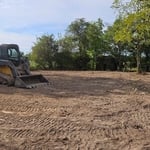
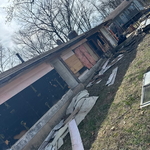
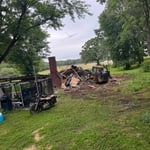
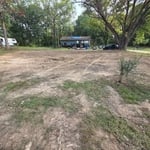
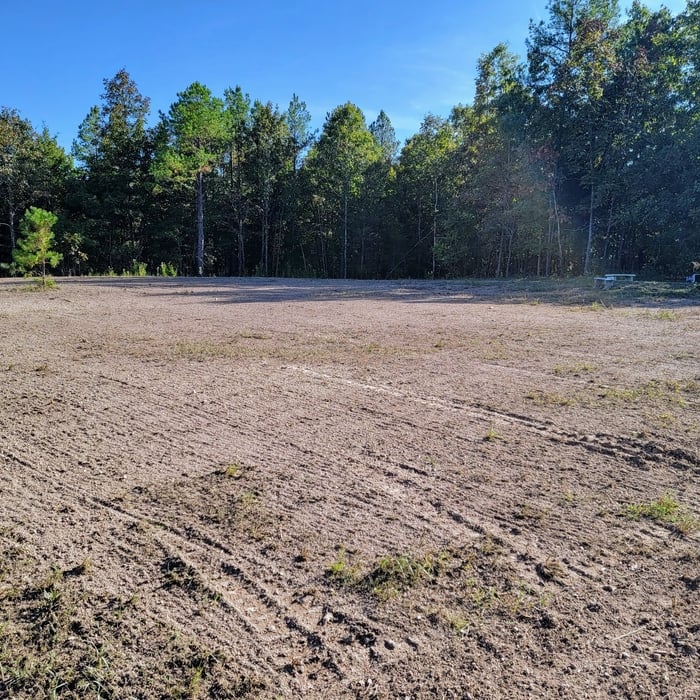
Hi! I own a small farm in north west TN and own a mini excavator, small dozer, 2 tractors with implements, a big dump trailer, and a bucket truck. I do tree removal, stump grinding, excavation, demolition and storm clean up, land clean up, dirt and gravel delivery, gravel drive way repair, culvert installation, and more! Free Estimates! Thanks and God bless!

Showing 1-10 of 39
Arborists questions, answered by experts

Dead trees are dangerous for several reasons. They are structurally compromised and prone to branch or trunk failure, which can pose a significant safety risk to people, vehicles, and nearby structures. Dead trees can also harbor pests like termites, which may spread to other trees or your home. If a tree died from a disease, it could spread the illness to healthy trees. Additionally, the dry wood is highly flammable, increasing fire risk.

While trees can grow in the curb strip between the sidewalk and the street, this placement often poses the problem of interfering with overhead power lines. It’s best to consult your local utility provider and tree planting service before transplanting a tree that might grow into power lines. Also, you should never work within 20 feet of a live power line to avoid the risk of electric shock. Tree branches should never touch nearby power lines, so it’s essential to ensure your tree isn’t in danger of growing too close to them.

Your neighbor is not in a good position to know if your trees are truly dead or pose any kind of danger. That’s why hiring an arborist or tree service expert can be such an important part of the process. If the trees are still alive and don’t pose any threat, you’re in the clear (but you may want to document and photograph everything in case events turn sour down the road).

But if a tree is visibly dead and near the property line, you should remove it to be safe. If a dead tree falls on a neighbor’s property, they may have grounds to sue for negligence. If any branches on trees have died, it’s a good idea to cut them back for similar reasons.

We recommend removing the stump, and grinding is a popular way to do it. You can also dig out small stumps or stumps that have fully decayed instead of grinding them. However, don’t try using acids or fire for killing a tree stump, which is a fire hazard and illegal in many areas.

Leaving the stump alone invites eventual problems, including attracting termites, mold, and fungi.

In most cases, you should not use a pruning seal on trees after trimming. Applying a sealant can interfere with the tree's natural healing process, and it does not guarantee protection from pathogens. Instead of sealing the cut, the best practice is to support the tree's natural recovery by providing it with plenty of water and a dormant-style fertilizer. However, there are exceptions. Pruning seals may be recommended for very vulnerable species, like elm trees, in areas where dangerous diseases such as Dutch elm disease are prevalent. In these specific situations, the protection offered by a sealant can outweigh its downsides. For advice tailored to your situation, especially after cutting large branches, it is best to consult a local tree trimming professional.

The Fairdealing, MO homeowners’ guide to arboricultural services

From average costs to expert advice, get all the answers you need to get your job done.