






Top-rated arborists.

Best arborists near Doniphan, MO

Enter your zip and get matched with up to 5 pros

Need a pro for your arboricultural service project in Doniphan, MO?

Select your specific project to find the pro for you.

Top-Rated Arborists in Doniphan - Updated Nov 2026

Arledge home repair
New to Angi
Tree RemovalTree Stump - RemoveTree Trimming

Serving Doniphan, MO and surrounding areas

Approved

Hi! My name is Guage, and I provide reliable handyman and home repair services. I have experience with a wide range of residential repairs, including plumbing, electrical, HVAC, drywall, appliance repairs, general maintenance, and other odd jobs around the house.\n\nI take pride in doing things right, keeping my work clean, and treating every home like it’s my own. If you have something that needs fixed, repaired, installed, or just looked at, feel free to reach out. I’d be happy to take a look and give you an honest estimate.

Avatar for Smiths Land Development
Smiths Land Development
4.8(
4
)
Tree RemovalTree Stump - RemoveTree Trimming

Serving Doniphan, MO and surrounding areas

Free estimates

Emergency services offered

Warranties offered

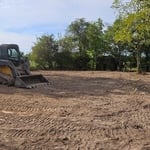
"We hired Smith’s Land Development to regrade the entrance to our commercial storage facility and address drainage problems. Jesse, the owner, performed the work himself and did an outstanding job. He was knowledgeable, straightforward, and completed the project as agreed. The grading and drainage improvements have made a noticeable difference in both functionality and appearance. High-quality work and professional service. Would definitely recommend."
clearing and hauling
house
demo work
cleared
cementary

+1

Showing 1-10 of 40
Arborists FAQs, answered by experts

Trees that flower in the spring—like dogwood, cherry, magnolia, and pear—should not be pruned during the winter. These spring-flowering plants grow buds on old growth, so you’ll actually remove what would’ve been gorgeous flowering foliage. Instead, wait to prune until right after they bloom, when the flowers fade.

While trees can grow in the curb strip between the sidewalk and the street, this placement often poses the problem of interfering with overhead power lines. It’s best to consult your local utility provider and tree planting service before transplanting a tree that might grow into power lines. Also, you should never work within 20 feet of a live power line to avoid the risk of electric shock. Tree branches should never touch nearby power lines, so it’s essential to ensure your tree isn’t in danger of growing too close to them.

Some trees will bounce back just fine, and others will struggle and possibly die. Evergreens, for instance, have a very difficult time recovering after droughts and usually die after periods of extreme dryness. Usually, you’ll have to just wait and see—if the drought occurs in wintertime, it’s possible that your tree will recover during the gentler springtime.

According to scientists at Penn State University, spotted lanternflies do not typically kill the trees and plants they feed on, but they can cause branches and segments to die off. However, they have been found to kill cultivated grapes, which can have devastating consequences for vineyard owners and regions that heavily rely on vineyards to create jobs and generate revenue. They have also killed the Ailanthu altissima, known as the tree of heaven, though this is classified as a noxious and invasive weed tree.

The fastest ways to remove a tree stump are by grinding it or burning it.

Stump grinding is often the quickest method, with professionals able to chip away a stump and its roots within a single session. You have the option to hire a professional stump removal service or rent a stump grinder to do it yourself. However, it's important to note that these machines can be large, difficult to transport, and dangerous to operate without prior experience. For safety reasons, hiring a local arborist or landscape specialist is often recommended.

Burning is another fast option. Before you begin, check your local burn laws. The process involves drilling holes into the stump, filling them with vegetable oil, and waiting 24 to 48 hours. Afterward, you can add charcoal bricks to the surface and light the fire, which must be attended at all times.

For a more affordable but much slower alternative, you can use potassium nitrate pellets to accelerate the natural decomposition process. This method typically takes four to six months.

The Doniphan, MO homeowners’ guide to arboricultural services

From average costs to expert advice, get all the answers you need to get your job done.