






Top-rated arborists.

Get matched with top arborists in Poplar Bluff, MO

Enter your zip and get matched with up to 5 pros

Need a pro for your arboricultural service project in Poplar Bluff, MO?

Select your specific project to find the pro for you.

TRUSTED BY POPLAR BLUFF, MO HOMEOWNERS

  • Average homeowner rating star icon4.5
    Average homeowner rating
  • Verified reviews icon35
    Verified arboricultural services reviews

Find Arborists in Poplar Bluff

Winchester Farm Tree Removal + More
New to Angi
Tree RemovalTree Stump - RemoveTree Trimming

Serving Poplar Bluff, MO and surrounding areas

Approved

Hi! I own a small farm in north west TN and own a mini excavator, small dozer, 2 tractors with implements, a big dump trailer, and a bucket truck. I do tree removal, stump grinding, excavation, demolition and storm clean up, land clean up, dirt and gravel delivery, gravel drive way repair, culvert installation, and more! Free Estimates! Thanks and God bless!

...
Showing 1-10 of 56
Arborists questions, answered by experts

The best tools for tree removal include a chainsaw for large trees, an ax for notching and cutting down small trees, and a wedge to help control the direction a tree falls in. A hatchet can be useful for very small trees, but won’t be effective for medium to large trees. 

It depends on where you live—but in most areas, leaves begin falling in September and continue falling until January or February. Warmer regions, such as Southern states, may see leaves fall a bit later in the calendar year. It also depends on the type of trees in your yard and their maturity. 

It may not be worth it to rake every leaf in your yard, but it’s necessary to remove the majority of leaves to prevent them from smothering grass growth on your lawn. However, raking leaves isn’t your only option for leaf removal. You can remove leaves easily with a leaf blower or compost or mulch them with your lawn mower to repurpose them to help grow your garden or yard.

Yes, it’s okay to trim low branches on a tree, also known as limbing up or raising the crown. Essentially, you’ll trim the lower third of the tree (trunk) and leave the upper two-thirds of the tree (crown). Arborists recommend trimming 20% of a tree’s leaves per season for two to three seasons. Trimming low branches allows light to flow through the tree, increasing circulation and making the tree stronger and healthier.

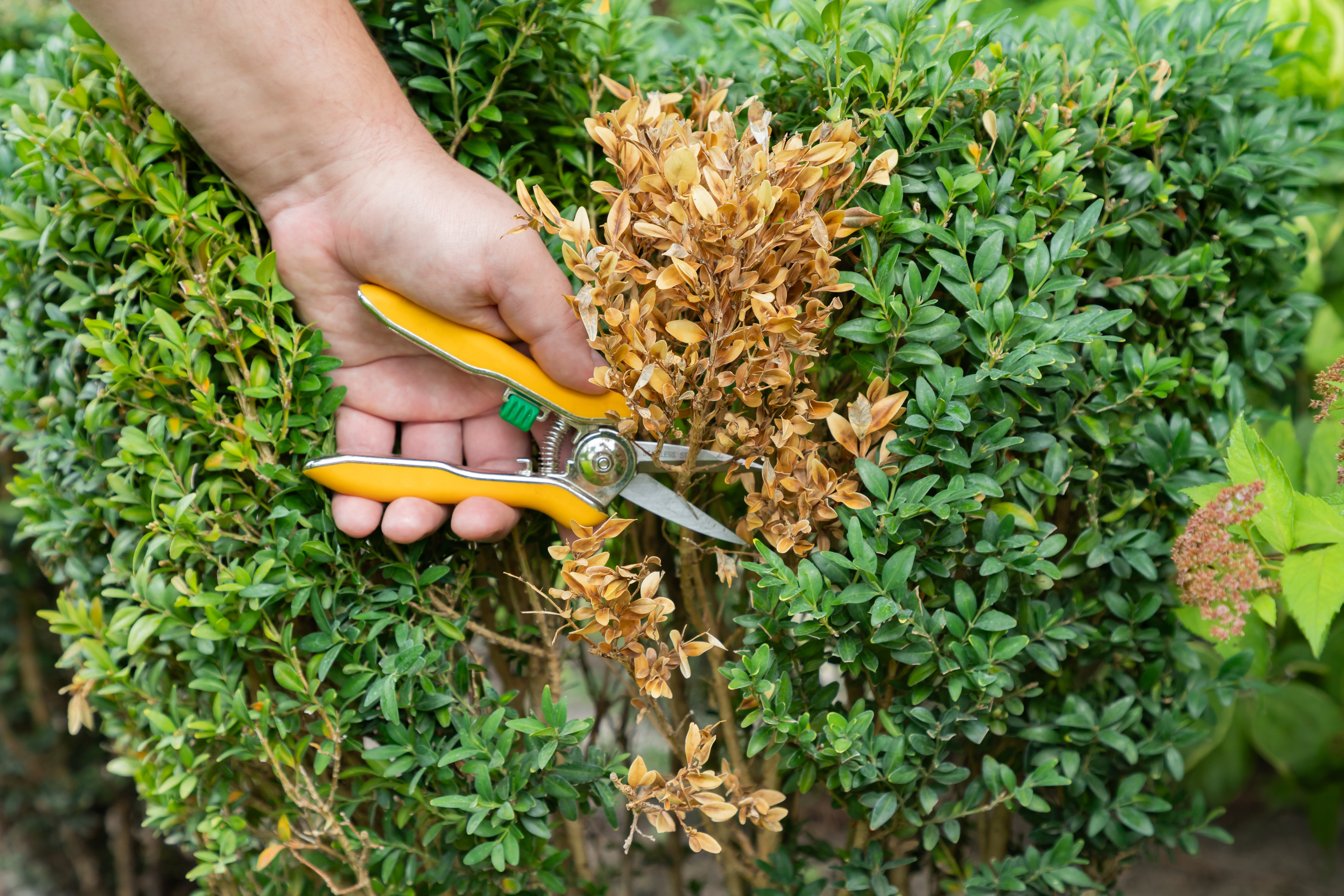
Any tree that needs to be pruned should be pruned to remove dead branches at least once a year. You may need to prune far more often if you’re trying to maintain a certain shape or to save a tree that suddenly becomes infected.

The Poplar Bluff, MO homeowners’ guide to arboricultural services

From average costs to expert advice, get all the answers you need to get your job done.