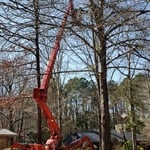
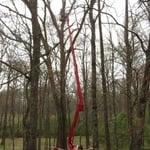
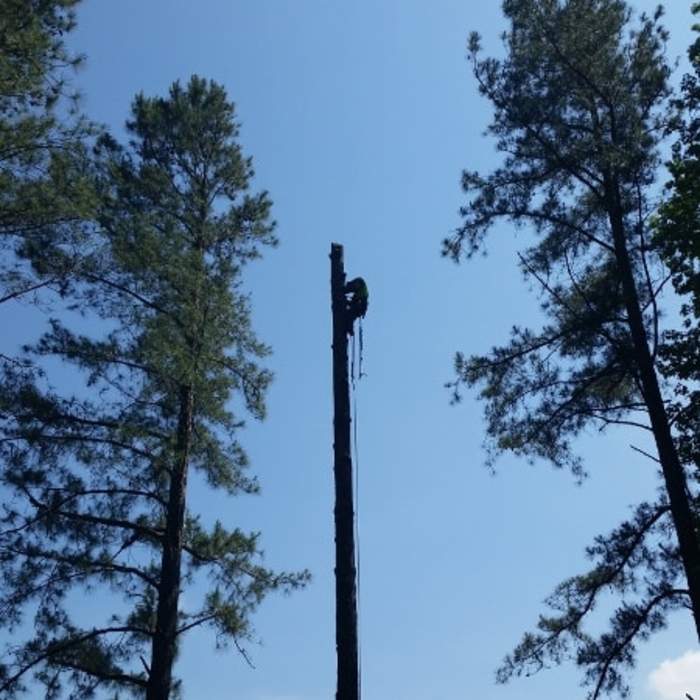
With over 35 years of family-owned and operated experience, Frazer's Tree Service is your go-to choice for all your tree service needs in Missouri. Our licensed and insured team provides free estimates and exceptional service that sets us apart from the competition. Contact us today for expert tree care you can trust.
We pride our company on reliability, great communication, integrity, and quality work. We are experts in our trade and will do our best to keep you as educated as we can on your particular task or project. We look forward to earning your business! Book with us online or feel free to give us a call today!
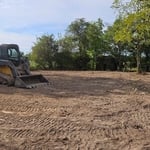
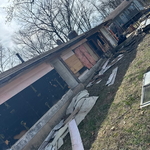
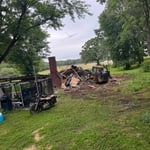
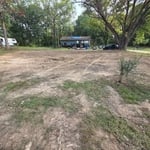
Need any dirt work or demolishing done I'm the guy. I have been running equipment for most of my life there isn't much that I can't do. I'm happy to travel come talk and even give some advice on jobs you need done.
We have the experience, and we are committed to providing quality workmanship and superior customer service on all our applications. We at Enloe's professional logging and landscaping strive to maintain our reputation as a high quality, very service-oriented company with our main focus being customer satisfaction.
Hello Everyone! Spring is around the corner!? Do you need a tree that needs done or any landscaping services you would like too look into? We are Fully Insured, Offer FREE Estimates, and now servicing the Tri-State Area. We care for trees through pruning, trimming, securing broken branches, specialize in multiple particular types of tree, or focus more on tree planting or tree removal.(Your Choice!)\nWe also specialize in your landscaping & hardscaping needs,rock, stone, concrete and pavers, Ect.\ndriveways ..light remodels and roofs .\nGive us a Call and leave your name and number\n@ 1(618) 364-6751 and We can set up an appointment! \nNo job too big or small just give us a call!\nGod Bless?
Hello folks my name is Anthony Scott Justice, owner of Justice Lantech. We specialize in any kind of landscaping matter ranging from A-Z. We provide our customers with some of the best work in the United States. Anything from waterfalls to floating decks to underground boat docks you name it we can do it. Landscaping has always been something that me and my brother Robert Cole have always liked doing, so we decided two years ago to take a run at it and have been at it ever since. And if youd like all you have to do is give me the details and well get them draw out or you could tell us what you want and well let our imagines go wild and go all out to make sure you and your family are getting exactly what your paying for. So anything that you may need, dont hesitate to give us a call and we will do the very best that we can to make sure that you are satisfied. Also ask about our NEW!payment plan program. Thank you! \n\nSincerly,\nAnthony Scott Justice \n
We pride our company on reliability, great communication, integrity, and quality work. We are experts in our trade and will do our best to keep you as educated as we can on your particular task or project. We look forward to earning your business! Call Today!
K&G CONTRACTING L.L.C. is committed to excellence in every aspect of our business. We uphold a standard of integrity bound by fairness, honesty, and personal responsibility. Our distinction is the quality of service we bring to our customers. 10 years of accurate knowledge of our trade combined with ability is what makes us true professionals. Above all, we are watchful of our customers' interests, and make their concerns the basis of our business. We offer military and veteran discounts!
Do It All Construction is one of the states premier home improvement companies. We specialize in a wide range of home improvement services for both big and small jobs. We are able to provide all of our customers with reasonable pricing, quality workmanship, and professional service. We are extremely professional and regardless of how big or small the project may be we always take pride in our company name and our work. For all of your home improvement needs Do It All Construction is above and beyond the rest.\n\n\n
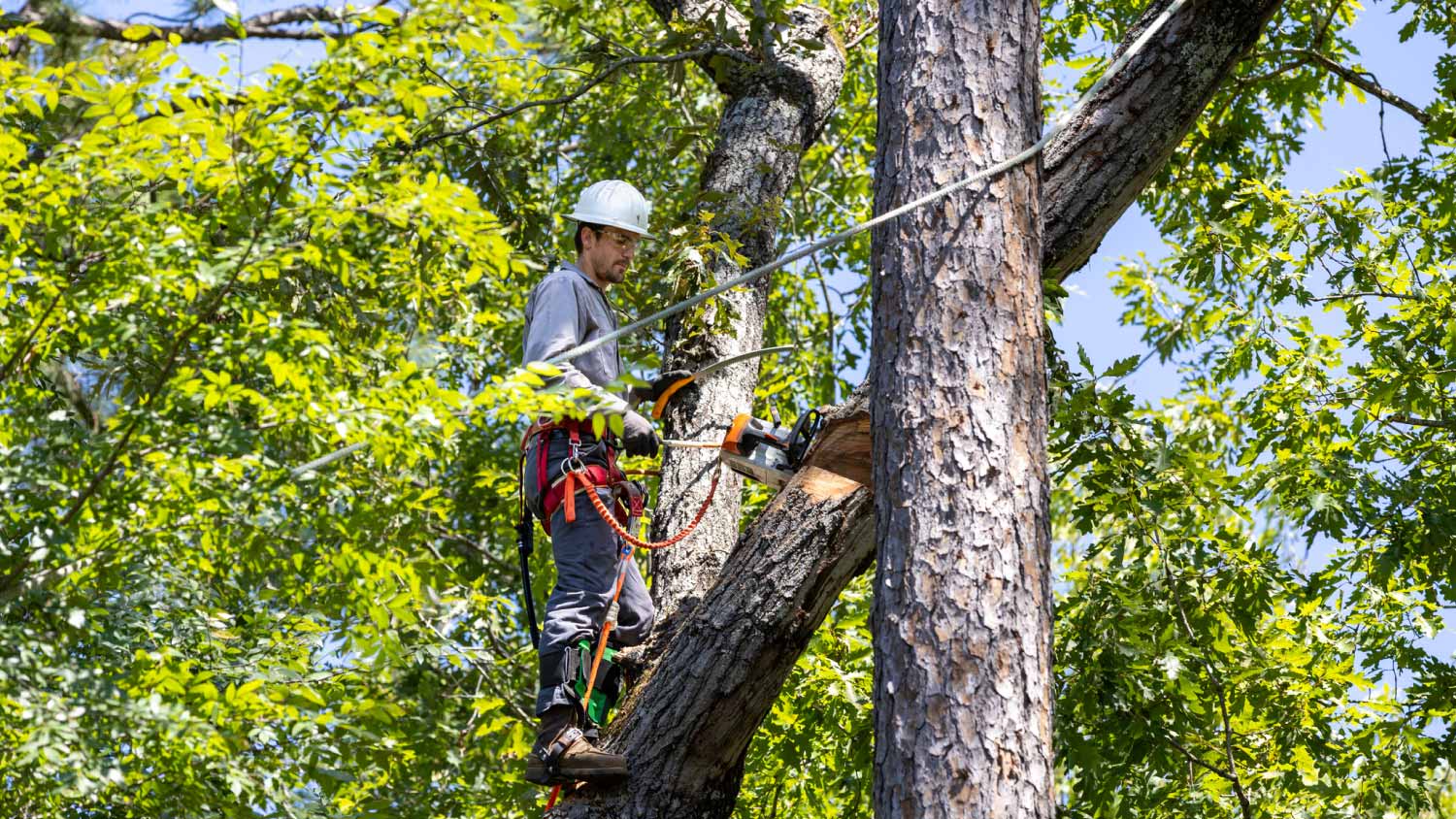
The safest way to cut down a tree is to make sure you’re completely prepared and have done all the necessary safety checks, including double-checking your equipment is in good working order, you have plenty of clearance to fell the tree, you’re wearing all the safety gear, and you have a partner to help you (who should also be wearing safety gear).
Tree removal can be quite expensive, especially for larger projects, but you can use the following tips to help keep costs down:
Do the yard cleanup afterward yourself
Choose to leave the logs on your property and split them yourself
Opt to leave the stump in the ground and tackle stump grinding yourself
Pull permits for tree removal, if necessary, to avoid fines
Pay to have multiple trees removed at once
Remove tree in the late winter or early spring during off-season
Dutch elm disease can’t harm humans. In fact, according to Cal Fire, bark beetles aren’t even typically dangerous to trees unless that tree is already weakened. The problem comes when Dutch elm disease kills a tree. That tree is more at risk of falling and catching fire, which can pose a serious threat.
It depends. Smaller, younger trees take longer to mature, but they're more resilient, their roots don't get as damaged during transplanting, and they recover faster. Plus, they're much more affordable to plant, and it's possible to DIY the planting.
On the other hand, mature trees produce fruit faster and provide more shade and privacy immediately. Ideally, a small or medium tree is the better choice if you can wait a few years for it to mature. But if you need immediate maturity, a larger tree is the only option.
Local tree removal prices range from $200 to $2,000 overall, but vary depending on:
Local cost of labor and supplies
Accessibility of the tree
Local laws regarding who is allowed to remove the tree
The species of the tree (softer woods are often easier to remove)
Local seasonal discounts for the off-season
The Winona, MO homeowners’ guide to arboricultural services
From average costs to expert advice, get all the answers you need to get your job done.
How much does an arborist cost? This guide explains the cost of different services, ongoing expenses, and other factors to consider when hiring an arborist.
Arborists are specialized tree care experts. This guide will help you hire an arborist with all the qualifications to give your trees the best care possible.