





Top-rated arborists.

Get matched with top arborists in Holcomb, MO

Enter your zip and get matched with up to 5 pros

Need a pro for your arboricultural service project in Holcomb, MO?

Select your specific project to find the pro for you.

TRUSTED BY HOLCOMB, MO HOMEOWNERS

  • Average homeowner rating star icon3.5
    Average homeowner rating
  • Verified reviews icon12
    Verified arboricultural services reviews

Find Arborists in Holcomb

Winchester Farm Tree Removal + More
New to Angi
Tree RemovalTree Stump - RemoveTree Trimming

Serving Holcomb, MO and surrounding areas

Approved

Hi! I own a small farm in north west TN and own a mini excavator, small dozer, 2 tractors with implements, a big dump trailer, and a bucket truck. I do tree removal, stump grinding, excavation, demolition and storm clean up, land clean up, dirt and gravel delivery, gravel drive way repair, culvert installation, and more! Free Estimates! Thanks and God bless!

Avatar for Stanley's Home Improvement
Stanley's Home Improvement
3.3(
12
)
Tree RemovalTree Removal - For BusinessTree Stump - Remove+7 more

Serving Holcomb, MO and surrounding areas

Free estimates

Emergency services offered

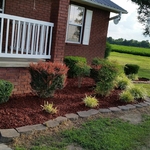
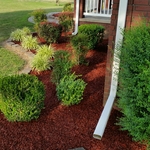
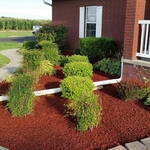
"They did a very amazing job with the amount of trees i was needing done, they was very respectful and a very affordable price, my wife also hired then again when they mentioned landscaping and it was outstanding. I will call them again for the trees and landscaping needs next year!"
Additional Photos
Additional Photos
Additional Photos
Additional Photos
Additional Photos

+8

Recommended by77%of homeowners
...
Showing 1-10 of 51
Arborists questions, answered by experts

Most plum trees are pruned into a vase or open wine glass shape. They’ll have a shorter central leader (the trunk) that supports three to four main branches. Of course, this isn't always the case. If you have a European plum tree, you can grow it in a pyramid shape. Let the central leader extend the length of the tree and prune smaller branches to create the pyramid.

If a disease has attacked and destroyed the roots, then the tree may fall over as soon as it has died or while part of it is still alive. Trees that die with their roots left in place tend to stay standing for much longer, but those roots will decay eventually, allowing gravity to do the rest.

If executed correctly your tree should survive after being transplanted to a new spot. However, effective transplanting requires six months, careful root pruning, safe transport to the new location, and replanting in prime soil conditions. You’ll also need an appropriately sized root ball for a complete tree transplant. A good rule of thumb is that, for every inch in diameter, your tree’s root ball needs to be around 11 inches. So a tree with a diameter of six inches needs a root ball of approximately 66 inches.

If you’re planning on keeping the tree, unless the roots are invasive, there’s no need to remove them, as doing so can cause damage to the tree. If the tree has been cut down and the stump and roots are left, grinding and removing the stump can cause root decay for some species. For other species, the stump and roots will need to be removed to prevent pests, disease, and possible tree regrowth.

The best way to protect tree roots is to avoid the roots entirely by excavating outside the root radius of the tree. For nearby projects, it’s a good idea to construct a temporary retaining wall. But that’s not always possible, depending on the project and the root system. In these cases, consider using alternative equipment like an auger to tunnel under the ground.

Remember, tree roots can damage nearby cement foundations as they grow. If a tree is close enough to interfere with large excavations, it may be better to remove the tree than risk future problems.

The Holcomb, MO homeowners’ guide to arboricultural services

From average costs to expert advice, get all the answers you need to get your job done.