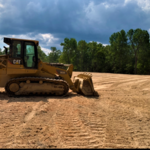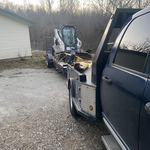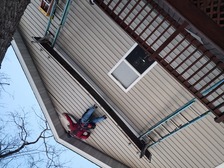






Top-rated excavation pros.

Best excavation pros near Edwards, MO

Enter your zip and get matched with up to 5 pros

Need a pro for your excavation project in Edwards, MO?

Select your specific project to find the pro for you.

TRUSTED BY EDWARDS, MO HOMEOWNERS

  • Average homeowner rating star icon4.3
    Average homeowner rating
  • Verified reviews icon13
    Verified excavation services reviews

Top-Rated Excavation pros in Edwards - Updated Nov 2026

Avatar for Parker Precision LLC
Parker Precision LLC
4.0(
4
)
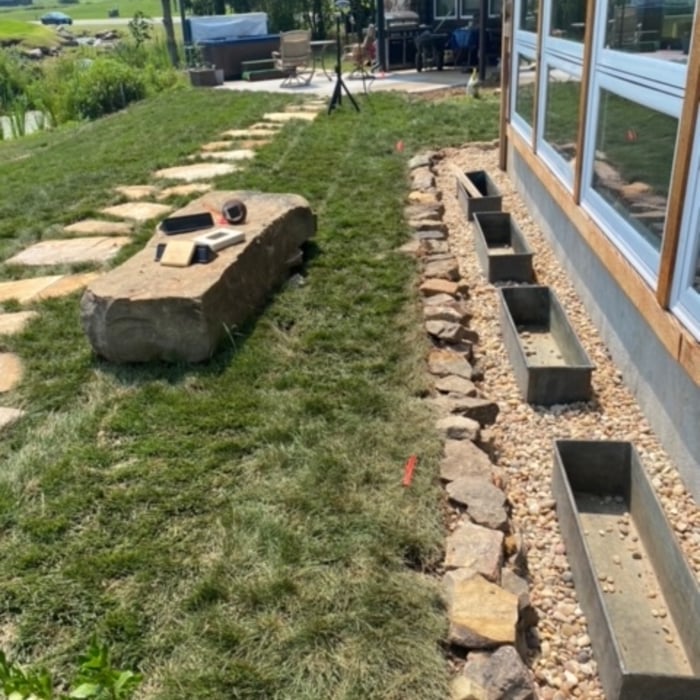
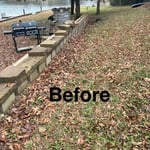
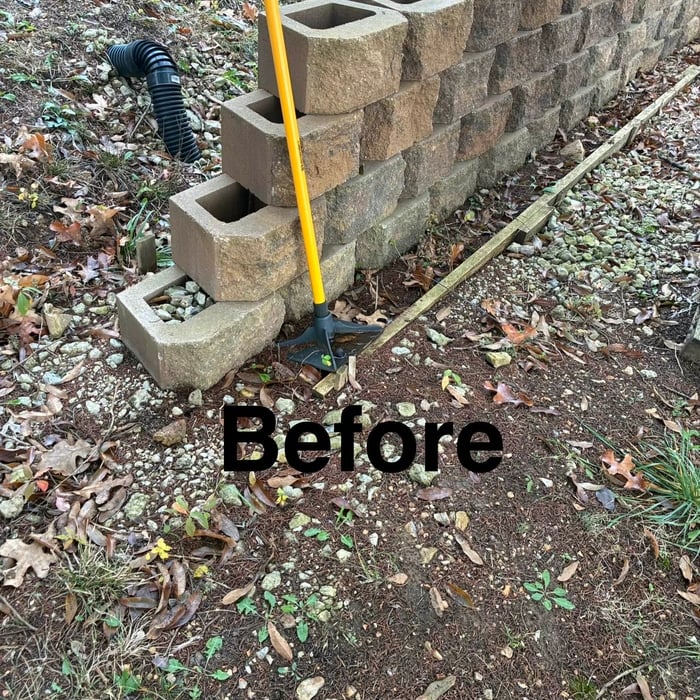
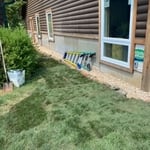
Landscape - Minor Grading or Resloping

Serving Edwards, MO and surrounding areas

Approved

In business since 2025

Free estimates

Emergency services offered

"They installed a carport. They were priced well, great attention to detail. Work got completed in a timely fashion. Very nice crew and easy to work with. Cleaned up area well when finished. Would highly recommend."
Transfer station
Transfer station
Transfer station
Transfer station
5 neighbors recently requested a quote
...
Showing 1-10 of 56
Excavating FAQs, answered by experts

Errors in site preparation can lead to structural failures or appear costly midway. Professionals ensure detailed, reliable home base development layouts.

Yes, professional installations include trenching or borehole drilling required for ground loops.

You can dig 60 to 80 linear feet by hand per day depending on the depth. Digging a 100-foot trench by hand will take you two work days, but it can take longer if you have heavy or rocky soil. If you’re digging a deep trench or one that’s over 100 feet, consider renting a mechanical trencher, such as a walk-behind or ride-on, or calling a pro for help. 

It can take several weeks for the ground to settle after removing a tree, and the soil under larger, more mature trees can take months. The deeper the tree has been ground under the soil, the longer it will take to settle. However, this extra depth can help you plant new landscaping sooner because you’ll have more space for fresh soil.

Septic drain lines (or leach lines) are typically buried between 18 and 36 inches underground, and should be at least 6 inches below the surface. These pipes are perforated and surrounded by filtering materials like sand or gravel. Burying the lines at this depth helps minimize odors and allows bacteria and other biological processes in the soil to effectively treat the wastewater. Burying lines too close to the surface can cause issues unless the soil is very compact and stable.

The Edwards, MO homeowners’ guide to excavation services

From average costs to expert advice, get all the answers you need to get your job done.