




Top-rated excavation pros.

Get matched with top excavation pros in Osceola, MO

Enter your zip and get matched with up to 5 pros

Need a pro for your excavation project in Osceola, MO?

Select your specific project to find the pro for you.

Find Excavation pros in Osceola

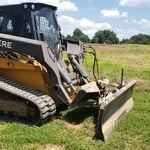
Meiners Mechanical
New to Angi
Building Site - Preparation and ClearingExcavation - Major Grading or Resloping

Serving Osceola, MO and surrounding areas

Approved

Excavation is in our blood. With over 40 years of hands-on experience, passed down from father to son, we bring unmatched knowledge and work ethic to every job. From small repairs to large-scale projects, no job is too big or too small. We pride ourselves on fair pricing, honest service, and quality work you can trust. When you hire us, you’re getting dependable professionals who stand behind what we do.

Chism Excavating, LLC - Home Facebook
5.0(
1
)
Excavation - Major Grading or Resloping

Serving Osceola, MO and surrounding areas

In business since 2000

Free estimates

Small jobs welcome

We are a locally owned and operated company that values honesty and integrity in all aspects of our business. Our major focus is on the quality our work and producing outstanding results. We are committed to creating a level of value unmatched by any of our competitors. We look forward to building lasting relationships with our clients and guarantee your satisfaction!

Recommended by100%of homeowners
Showing 1-10 of 47
Excavating questions, answered by experts

Trenches are typically 12 to 24 inches deep and 8 inches wide. However, the required depth depends on the specific project and local ordinances. For example, a French drain may need to be 18 inches deep, while a water pipe might require a depth of 24 inches and a drainage pipe 36 inches. Your city or county may have specific regulations, so it's wise to consult with an excavation professional to determine the correct depth for your project.

No, you typically cannot use metal detectors to find your sewer line. Most sewer lines are made of non-metallic materials such as PVC, clay, or cast iron, which are not detectable by standard metal detectors. Metal detectors are designed to locate metallic objects, so they won't be effective for identifying the path of a non-metallic sewer line. To locate your sewer line accurately, it's best to use other methods.

Underground downspouts refer to the sections of downspout extensions that lead away from your home and gutter system. While they cost more than traditional extensions, they can provide several benefits, such as less frequent damage and no need to move them for lawn care tasks. Whether they're worth it or not depends on your budget at installation time and how much convenience they'll add to your situation.

Landscape edging is more DIYable than trenching. You can DIY your own digging projects, but proceed carefully and only with proper knowledge of the equipment and appropriate safety measures in place. Keep in mind the project's scope and estimate how long it will take you to do it on your own. While you can certainly save money by DIYing home improvement projects, you can’t exactly hide an unfinished—or worse, ruined— landscaping job from the neighbors. It’s always safer to call an excavation pro near you to get an estimate.

There are several different factors that influence how long it takes to excavate. For a foundation, it could take anywhere from three days to three weeks. It can take even longer if you face weather-related delays or an inaccessible site that’s riddled with boulders and rough terrain. It may also take longer if you have clay soil, which is more difficult to dig.

The Osceola, MO homeowners’ guide to excavation services

From average costs to expert advice, get all the answers you need to get your job done.