





Top-rated electricians.

Get matched with top electricians in Edwards, MO

Enter your zip and get matched with up to 5 pros

Need a pro for your electrical service project in Edwards, MO?

Select your specific project to find the pro for you.

TRUSTED BY EDWARDS, MO HOMEOWNERS

  • Average homeowner rating star icon4.8
    Average homeowner rating
  • Verified reviews icon66
    Verified electrical services reviews

Find Electricians in Edwards

MAZELECTRICAL SOLUTIONS, LLC
New to Angi
Electrical Wiring or Panel UpgradeFixed Generator - InstallElectric Vehicle Charging Station Installation - Materials Not Provided+15 more

Serving Edwards, MO and surrounding areas

Approved

In business since 2024

Free estimates

Credit card accepted

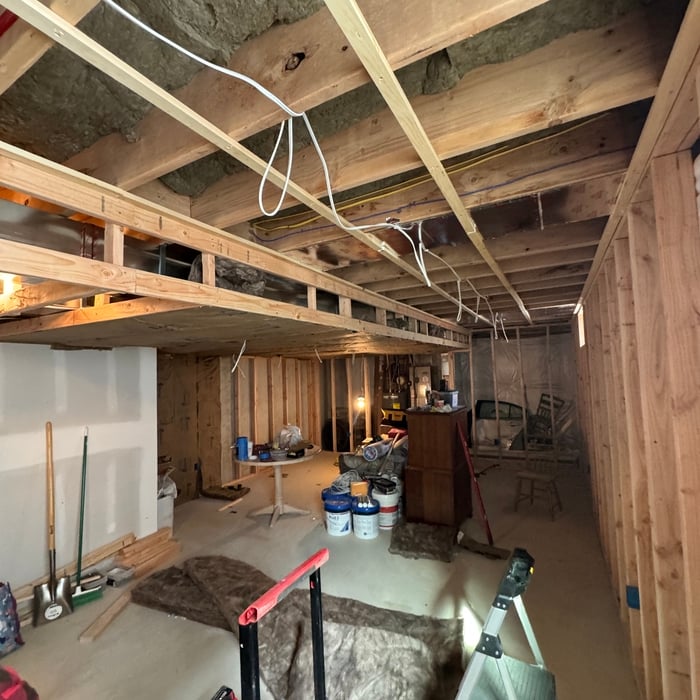
We offer over 15 years of experience in the electrical industry. We take on a wide range of electrical projects to include full installation for additions and remodels as well as wiring and panel upgrades and a variety of other jobs. We're committed to providing a personalized service for each individual project we take on & look forward to building strong, long-term relationships with our clients and guarantee your satisfaction.

Response time2 days
15 neighbors recently requested a quote

...
Showing 1-10 of 80
Electrical questions, answered by experts

On average, the cost to wire a new home ranges from $2 to $5 per square foot. The cost to rewire a house is around the same, ranging from $2 to $4 per square foot. Often, though, new wiring comes with lower overall costs since it’s much easier to access a home’s foundation. 

An air conditioner’s watt usage depends on multiple factors, including the type of AC unit, its size, and how often you use it. With that said, most central air conditioners consume between 3,000 and 3,500 watts. Meanwhile, window AC units use 900 to 1,400 watts, and portable air conditioners consume 2,900 to 4,100 watts.

Yes, GFCI breakers are required for all outdoor outlets. This code requirement applies to all outlets located on balconies, decks, patios, and other outdoor lounge spaces. In addition, outdoor outlets need to have watertight covers that provide protection when cords are plugged in. If you have an older home that may not be up to code, it's a good idea to also ask your electrician about adding GFCIs to some indoor areas. Kitchens, bathrooms, basements, and any other areas of a home that are commonly exposed to moisture should have GCFI breakers.

Choosing between 12- or 14-gauge wire for your house depends on the electrical requirements of the circuit. A 12-gauge wire is thicker and can handle more power, making it better suited for devices such as kitchen appliances, air conditioning units, or electric heaters.

A 14-gauge wire is thinner and can handle less electrical current than a 12-gauge wire. It's ideal for circuits with lower power requirements, such as lighting or general-purpose outlets in bedrooms or living rooms.

You can twist the wires before using a wire nut, but it’s not necessary. Electricians often twist wires before using a wire nut, which can help secure the connection and enhance electrical contact between wires. You can decide whether or not to twist the wires beforehand, or consult a local electrician if you need  professional opinion.

The Edwards, MO homeowners’ guide to electrical services

From average costs to expert advice, get all the answers you need to get your job done.