


Top-rated excavation pros.

Get matched with top excavation pros in Wheatland, MO

Enter your zip and get matched with up to 5 pros

Need a pro for your excavation project in Wheatland, MO?

Select your specific project to find the pro for you.

Find Excavation pros in Wheatland

Avatar for Petty’s Skid steer
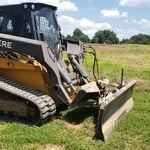
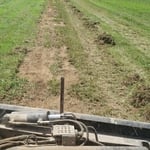
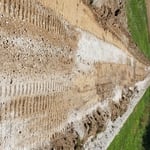
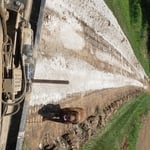
Petty’s Skid steer
New to Angi
Landscape - Minor Grading or ReslopingBuilding Site - Preparation and ClearingExcavation - Major Grading or Resloping

Serving Wheatland, MO and surrounding areas

Approved

In business since 2022

Free estimates

Small jobs welcome

We are a locally owned and operated company that values honesty and integrity and treats your home as if it were our own. Our services are customized to the individual project, paying close attention to the details of each project that we're involved with. We pride ourselves on the quality of our work as well as our commitment to outstanding results. We look forward to building lasting relationships and guaranteeing your satisfaction!

Response time7 hrs
16 neighbors recently requested a quote
...
Showing 1-10 of 51
Excavating questions, answered by experts

Septic drain lines (or leach lines) are typically buried between 18 and 36 inches underground, and should be at least 6 inches below the surface. These pipes are perforated and surrounded by filtering materials like sand or gravel. Burying the lines at this depth helps minimize odors and allows bacteria and other biological processes in the soil to effectively treat the wastewater. Burying lines too close to the surface can cause issues unless the soil is very compact and stable.

Trenching and boring are two distinct methods for installing underground utilities. Trenching involves digging a channel using equipment like an excavator, trencher, backhoe, or shovel. While it is a simpler process, it causes significant disruption to the surface, landscaping, and surrounding ecosystems.

Boring, also known as directional boring, is a less invasive alternative that uses a drill to create a tunnel for utility lines without disturbing the surface. This method is more precise and is ideal for installations that need to go underneath buildings, roads, or bodies of water. Although boring is less disruptive, it is generally more expensive than trenching.

How deep your septic system needs to be into the ground depends on several factors. In extremely cold environments, the tank needs to rest below the maximum frost line, which can be up to six or eight feet deep. The standard burying depth for most systems is between a few inches and four feet below ground level. Depth can also depend on the slope of the landscaping and other property variables. 

Yes, you can excavate in the winter, but it might make the job harder. Frozen ground is harder to dig, and snow or ice can make the work site more hazardous. A contractor may need special equipment and techniques, such as ground-thawing methods, to break through frozen soil. Although winter excavation is possible, it may take longer and be more costly than excavating during warmer months.

Digging a well can cost between $20 and $25,000, depending on your needs. If you’re looking to dig a well yourself, all you need is a shovel. If you’re looking to have a well drilled by a professional, you can expect to pay around $15 to $30 per foot. The total cost of drilling a well will average to $5,500.

The Wheatland, MO homeowners’ guide to excavation services

From average costs to expert advice, get all the answers you need to get your job done.