






Top-rated masons.

Get matched with top masons in Onondaga, MI

Enter your zip and get matched with up to 5 pros

Need a pro for your masonry work project in Onondaga, MI?

Select your specific project to find the pro for you.

TRUSTED BY ONONDAGA, MI HOMEOWNERS

  • Average homeowner rating star icon4.6
    Average homeowner rating
  • Verified reviews icon32
    Verified masonry services reviews

Find Masons in Onondaga

Avatar for Your Home Solution Experts
Your Home Solution Experts
4.7(
82
)
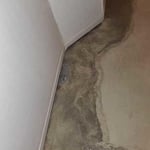
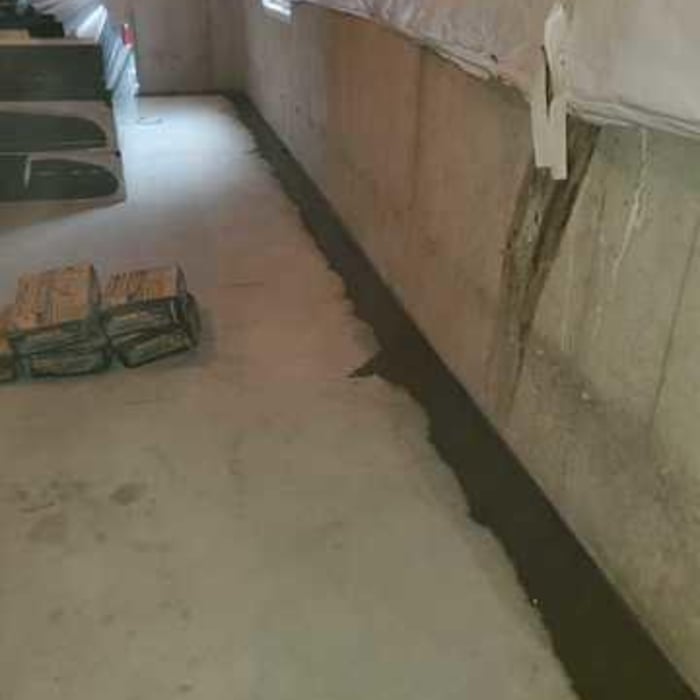
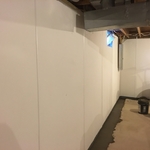
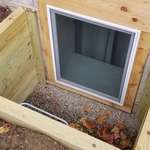
Foundation, Basement or Crawlspace - Waterproofing / Encapsulation

Serving Onondaga, MI and surrounding areas

Approved

In business since 2013

Free estimates

Warranties offered

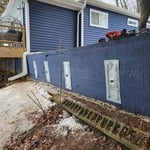
"Steve and his team did an excellent job on our project, which included adding insulation to our attic spaces, sealing the attic and basement, removing old insulation in the basement, and treating the basement for mold. Steve helped us feel comfortable and confident about the work that needed to be done to the house. Joe and Rick did excellent work on the project, which was completed quickly. Would work with again!"
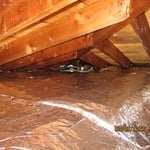
Multi-Layer Insulation (MLI)
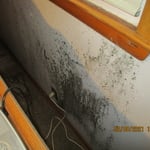
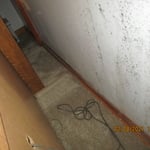
Mold discovered behind bed
Multi-Layer Insulation
Mold discovered behind bed
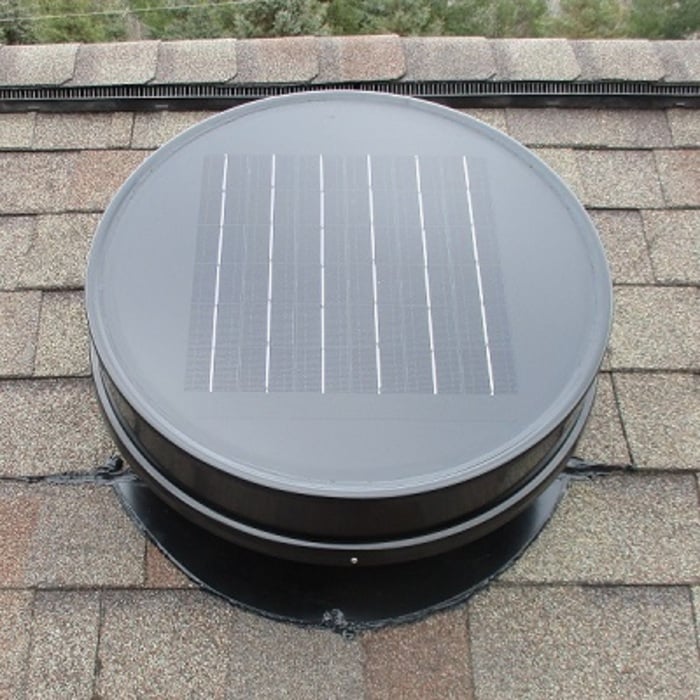
Solar Fan

+20

Response time1 day
Response rate93%
40 neighbors recently requested a quote
...
Showing 1-10 of 101
Masonry questions, answered by experts

The difference between river rock and landscaping rocks is size, smoothness, and use. River rocks are smooth and flat, as if polished by water, and come in diameters between 1 and 8 inches. Landscape rock can vary in size from small pea gravel installations to car-sized boulders. However, landscaping and river rocks are interchangeable in many situations. River rock is best for pathways, walkways, garden bed mulch, water features, and planting accents, while small landscape rocks can serve as a walkway base, gravel playground areas, and filler between pavers.

Cutting stone comes with a number of safety hazards. First and foremost, if you’re not comfortable with the equipment required to cut stone, including blades and grinders, you could easily injure yourself. The heavy machinery also poses a risk to your ears if you don’t wear proper ear protection; similarly, you need to wear eye protection to keep debris from irritating your eyes.

However, the biggest risk from cutting stone comes from the stone dust. When breathed in, stone dust can be a huge hazard to your lungs. Always wear a face mask when cutting stone to prevent inhaling stone dust, and thoroughly clean the work area when you are finished.

To avoid injury, we recommend hiring a stone-cutting professional, rather than attempting this job yourself.

When painting brick, each application method has pros and cons. Spraying is much faster but may not penetrate the porous surface of the bricks. Rolling is effective for getting paint into the bricks but doesn't work as well on the mortar. Brushing is very time-consuming and also won't penetrate beyond the surface. For the best results, a combination of spraying and rolling is often recommended. If you use a roller, choose a thick option (at least a half-inch) and ensure the paint gets into all the crevices for even coverage.

No, you shouldn’t lay bricks directly on dirt. While it might seem like a shortcut, it leads to a patio that shifts, sinks, and becomes a maintenance headache. Dirt expands, contracts, and erodes—none of which mix well with long-term stability. To build something that lasts, excavate the topsoil, compact a layer of crushed gravel, and add a coarse sand-setting bed. This layered base gives your bricks proper support, allows drainage, and helps block weeds from creeping through. Cutting corners here just means you’ll spend more time—and money—repairing your brick patio later.
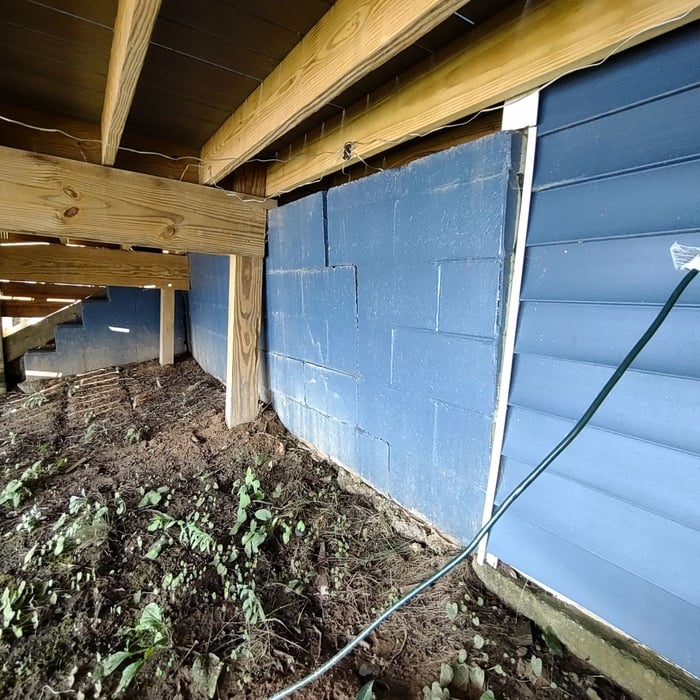
Yes! Hot glue is an excellent—and temporary—way to spread holiday cheer with Christmas lights without damaging your brick exterior.

The Onondaga, MI homeowners’ guide to masonry services

From average costs to expert advice, get all the answers you need to get your job done.