



Top-rated fire pit installation pros.

Get matched with top fire pit installation pros in Belleville, MI

Enter your zip and get matched with up to 5 pros

Need a pro for your fire pit installation project in Belleville, MI?

Select your specific project to find the pro for you.

TRUSTED BY BELLEVILLE, MI HOMEOWNERS

  • Average homeowner rating star icon4.2
    Average homeowner rating
  • Verified reviews icon619
    Verified fire pit installation services reviews

Find Fire pit installation pros in Belleville

No results for Fire pit installation pro in

Try adjusting your search criteria.
Fire Pit Installation questions, answered by experts

Some Christmas lights are marked as being “UL Safety Certified” or Underwriters Laboratories Safety Certified. This lab is a trusted source for determining the safety standards of electrical products—you should make sure your Christmas lights have this label. Brush up on other electrical safety tips before installing any lighting features. 
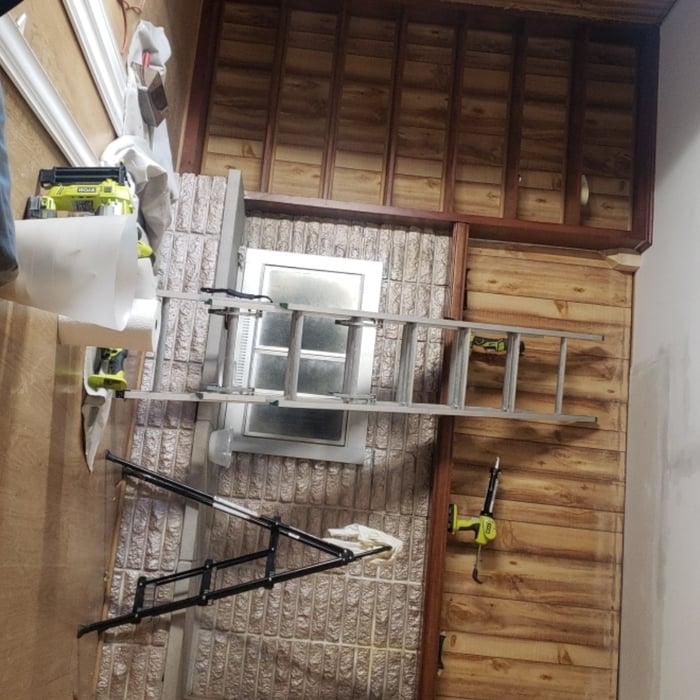
A chimney liner isn’t required for an outdoor fireplace; you don’t technically need one if the masonry chimney uses the proper dimensions and is built to code. However, a chimney liner does serve as a protective coating for the flue. Adding a liner could improve performance, safety, and durability. In short, while not necessary, it wouldn’t hurt.

If you plan to put a fire pit on a grassy area, be sure to put compacted paver sand down first to help level out the ground and add better heat protection. If you’re placing a fire pit on hardscaping, like a concrete patio, consider placing a fire pit mat down first. This can add more protection from the heat and also protect the look of your hardscaping if you choose to remove the fire pit in the future.

After a house fire, you should not reenter your home unless the fire crew has told you it’s safe to do so. In the longer term, you should not attempt to make repairs to the house on your own. Professional crews are trained to clean up after a fire (including smoke and soot damage), dry out any water damage from the firefighter crews, and make the necessary structural, plumbing, and electrical repairs—and this is all likely covered by insurance.
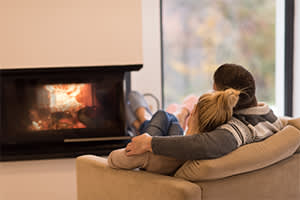

You should never block both the top and bottom of your chimney. Proper airflow is essential because the temperature inside the chimney will still fluctuate as your house warms and cools. Moisture can build up without ventilation, leading to dampness in your walls over time. Blocking the top prevents debris and animals from entering, but the chimney still needs air circulation to avoid condensation issues. Allowing the chimney to breathe maintains the health of your home and prevents long-term damage.

The Belleville, MI homeowners’ guide to fire pit installation services

From average costs to expert advice, get all the answers you need to get your job done.