

Top-rated fire pit installation pros.

Get matched with top fire pit installation pros in Dearborn, MI

Enter your zip and get matched with up to 5 pros

Need a pro for your fire pit installation project in Dearborn, MI?

Select your specific project to find the pro for you.

TRUSTED BY DEARBORN, MI HOMEOWNERS

  • Average homeowner rating star icon4.1
    Average homeowner rating
  • Verified reviews icon191
    Verified fire pit installation services reviews

Find Fire pit installation pros in Dearborn

No results for Fire pit installation pro in

Try adjusting your search criteria.
Fire Pit Installation questions, answered by experts

Most homeowners put a layer of compact sand or gravel at the bottom of their firepit, but you can also choose more decorative options like fire-resistant paving stones, bricks, or fire pit glass. Dirt by itself can even work, but other materials do a better job of spreading the heat around.

No, you can’t completely fireproof a house. There is always a chance that a fire can break out inside or outside your home. Even if most of the home is built with fireproof materials, a long-burning fire can still cause damage. Still, fireproofing efforts can buy you additional time to evacuate and give you a better chance of salvaging your home after a fire rather than needing to rebuild entirely.

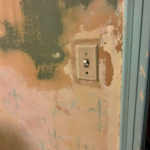
Yes, a faulty or broken light switch can be a serious fire hazard. Malfunctioning switches, often due to loose connections, exposed wiring, or overheating, can cause sparking or arcing. If you hear a crackling, popping, or hissing sound when you use the switch, it indicates live electricity arcing inside, which is a significant hazard that can ignite nearby flammable materials. If you suspect your light switch is faulty, turn off the power to that circuit at the breaker and contact a qualified electrician to remedy the issue.

Yes, you should seal and cap an unused chimney to protect it from damage. Sealing the structure helps prevent moisture damage, which can lead to issues like cracks, spalling, efflorescence, and damaged mortar joints. Capping the chimney is also crucial to prevent blockages, damage from invasive critters, and downdrafts, while still allowing for proper air ventilation to manage moisture. For the best results, consult a chimney professional to select the right type of chimney or flue cap for your home. It's also wise to continue with annual chimney inspections to maintain the structure's integrity.

The short answer is yes, but the longer answer is more complex. Unless the fireplace is ventless by design, you’ll need some type of exhaust pipe system to safely send fumes and other harmful byproducts out of the house. Even then, ventless fireplaces are not always permitted because they do keep the byproducts inside of your house. Ventless fireplaces are safest when installed in spaces that are themselves well-ventilated, like large rooms with lots of windows.

The Dearborn, MI homeowners’ guide to fire pit installation services

From average costs to expert advice, get all the answers you need to get your job done.