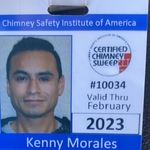
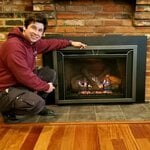
"Kenny Morales is certified to work with gas fireplaces and he really is an expert. He’s reliable, personable, and reasonable. I will use him again and recommend Genesis Chimney Services wholeheartedly."
"Chimney.com did an excellent job installing our new gas fireplace. Brandon and Marlon communicated clearly with us regarding our specific fireplace needs, project updates, delivery time estimates, etc. Russ did a meticulous job with installation and ensured that he completed the job and that everything was working properly before leaving our house. Tiffany was super helpful during the installation process and with additional follow-up later on. I recommend chimney.com to anyone who has fire place projects."
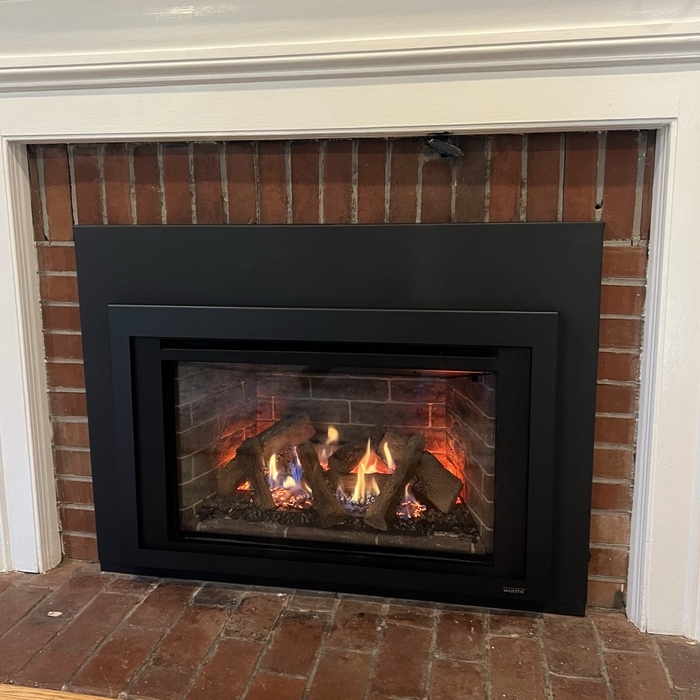
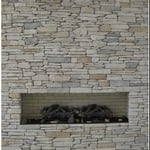
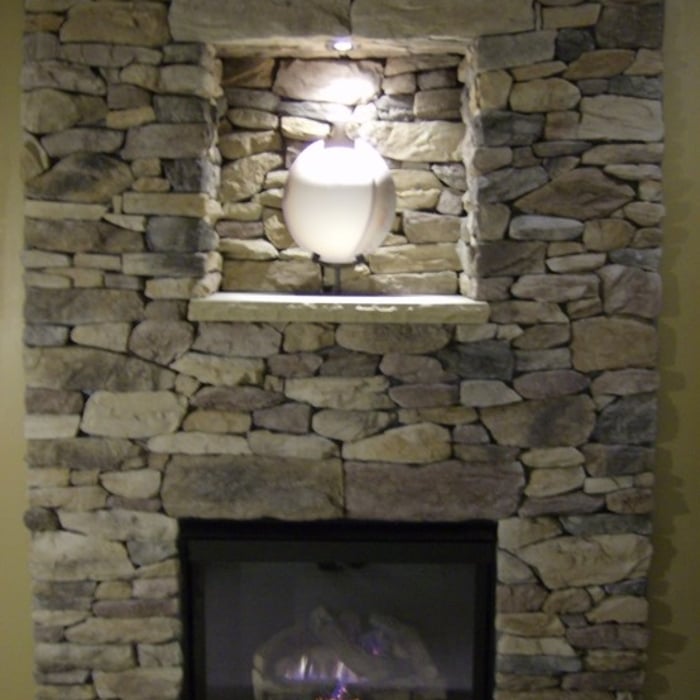
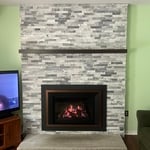
"American Professional Chimney installed a gas fireplace that is both beautiful (looks like a real wood fireplace) and warm. They installed a gasline that was done a very professional way, burying the line underground. Stephen and his team did an impeccable job, clearly explaining the pros and cons of the many options. Super happy with the service."
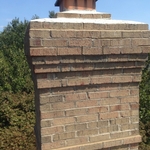
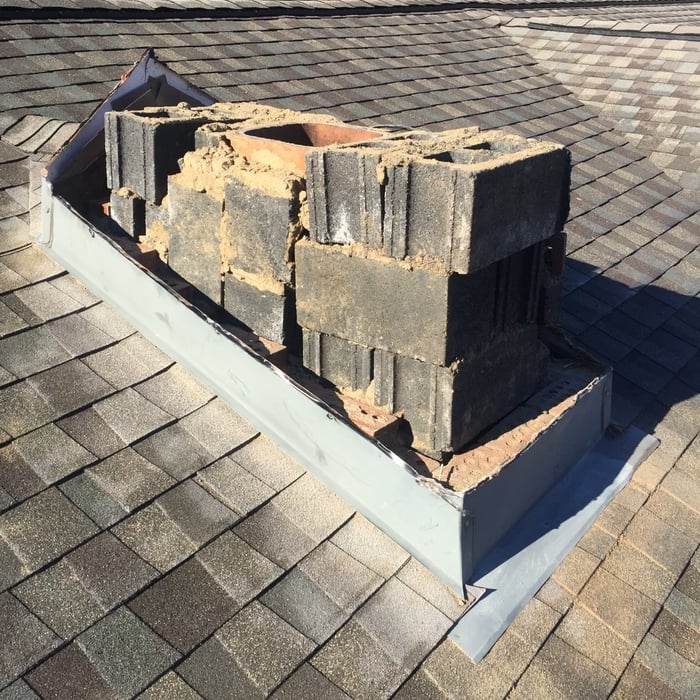
"We are planning to install vent-free gas logs in our two wood burning fireplaces so we could have heat during power outages and for the warmth and ambiance. I called three of the fireplace installers from Angie's List based on customer reviews for estimates. Two of the fireplace companies suggested that I have both chimneys cleaned and inspected before doing the gas log installation. Even though the gas logs are natural gas and vent-free and would not need the damper to be opened so do not need a working chimney for the gas logs, we had never had the chimneys inspected or cleaned since we moved in 6 years ago. So we thought that was a good idea to get it done once and then we don't have to have it done again unless there is a problem. Steve the Fire Place Guy suggested that I call MCP Chimney & Masonry. He said that he had worked with them before and they are very good. I looked on Angie's List to see the reviews and there were only 4 reviews with an average of B overall rating. I was a little skeptical but Steve told me that they would be up front with me and would not try to sell something I do not need so I scheduled an appointment. Tammy is really very friendly and helpful. She told me that an inspection and cleaning is $159 per chimney. I had seen somewhere else where it costs between $99-$229 but I think the $99 is for either the inspection or cleaning but not for both and the high end prices included other cleaning such as dryer vent. Anyway, I went ahead and scheduled the inspection and cleaning with Tammy. Brandon and Jose arrived within the scheduled time window. They put the tarp down on my beige carpet and began to clean each chimney from the bottom to top method from inside the house. After they were done, there was not a bit of dust or soot from the chimney. Brandon had vacuum all that into his vacuum inside the fireplace before it could get out into the room. My fireplace, mantel, and beige carpet were still clean. Then they went on the roof to do the inspection. Brandon came down with pictures of the crowns that he took with his phone and he also brought down a few pieces of the concrete crown from one of the chimneys. He said that one of the chimney looked like it was the original crown when the house was built 29 years ago and never been replaced or repaired. The concrete was separating from the crown and loosely sitting or dangling from the edge and he was able to bring a few pieces down to show me. The other crown looked like it was repaired previously but not done very well or professionally, Someone that the previous owner has hired used concrete fillers in the cracks of the crown and now has more cracks and some separation. Brandon recommends that I get the repair done especially since our chimneys showed no signs of internal water damage. If there were water damage, it could damage the liner or weaken the integrity of the bricks in the chimney and if left it is not repaired overtime the chimney may need to be replaced which could run about $6,000 or higher. Brandon recommended that we repair both crowns with the poxy compound which has a 20 year warranty. It is put on over the concrete creating a cover. I had seen this done with our neighbor's crown so I had an idea of what he is talking about. He said to use concrete to repair the crown will only have a 2 year warranty so of course I went with the compound. The cost for the repair was $600 for both crowns but Brandon gave me a 15% discount making the repair cost $520 and the total for cleaning, inspecting and repairs to $838. I guess I am happy with that since I have no idea what the average costs would be. So I scheduled the repair with Tammy for the following week. They came out and did the job and as far as I know everything seems fine (it is not like I am going to climb on a ladder on the roof to check). So far so good and I am happy with the staff and work. Usually, since I am the one in the household that calls for repairs or maintenance I would be the one companies would be talking with. Some male representatives have a tendency to think since I am a female I may not understand or need to know how or what the job entails so they do not bother to fully explain things to me or ask to speak with my husband. Good luck with that, my husband do not want to be bother and he would say talk with my wife. So if you do not want to talk with me...Good bye, you are not getting the job. Brandon was completely opposite and took the time to explain all the aspect of the job and why. He was absolutely wonderful and so was Tammy in the office. I would definitely call them again and since they do masonry work, I may have projects for them in the future. So as long as this repair job continues to be problem free, I would definitely recommend them and I would ask for Brandon Morris."
We proudly specialize in chimney and duct cleaning and repairs, delivering reliable service you can count on. With 3 years in business and a small, dedicated team, we focus on doing the job right the first time, safely, thoroughly, and with respect for your home.\n\nWhether you need routine maintenance or help with a specific issue, we will take the time to explain what we are doing and why, so you feel informed and confident.\n\nContact us today to schedule your service and keep your chimney and ducts clean, efficient, and safe.\n
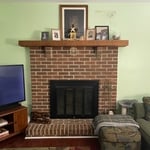
"I was dreading doing this work on my place as I was worried that it wouldn’t turn out the way I wanted. Brad came out and did an emasculate job on my fireplace and the bricks I chose for my fireplace turned out 10 times better than I expected! Thanks for the great work Brad!"
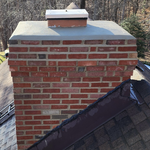
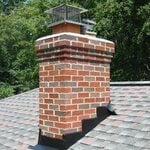
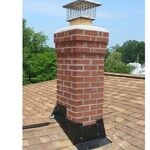
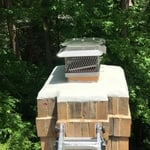
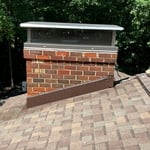
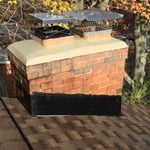
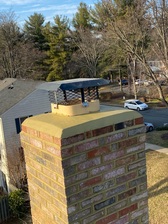
Chimney caps may be installed by a few different professionals, including a chimney sweep or a mason that specializes in fireplaces and chimneys. A gas fireplace technician is the best person to install a chimney cap on a gas log fireplace vent to be sure the cap is appropriate for the application.
Chimney caps are necessary both from a building safety standpoint in most municipalities and to keep your home protected from a variety of issues. Chimney caps are not only mandated by building code in most areas, but they also serve to keep squirrels, raccoons, and other pests out of your home, as well as snow and rain. Therefore, they help to avoid property damage, making them a worthwhile investment.
You can safely build a fire pit on your patio as long as you use porous, fire-resistant pavers or a fire pit mat over existing pavers. Otherwise, you’ll need to have exposed ground beneath your pit. You’ll also need to make sure the location for the fire pit is far enough away from your house and any other nearby structures.
There are several ways to determine if your chimney or fireplace damper is open or closed. A simple method is to check for airflow by placing your hand near the fireplace opening; if you feel a draft or hear wind whistling, the damper is open. An open damper might also make the room feel cooler, similar to the outdoor temperature, or cause your HVAC system to work harder than usual. For a more definitive test, you can try a visual inspection, although it may be difficult to see. Alternatively, you can light a small piece of paper and observe the smoke; if it is drawn up the chimney, the damper is open. Always use the damper handle to adjust its position.
A liter of bioethanol costs $11 and burns for around four hours, making it cost around $2.75 per hour to keep your bioethanol fireplace running. For comparison, natural gas costs around $0.50 per hour, and propane costs around $1.60 per hour.
How much it costs you to run your bioethanol fireplace largely depends on how often you use it. Hypothetically speaking, if you run your fireplace for four hours a week year-round, you’ll go through one liter of biofuel per week or about $570 per year to run the fireplace.
The Travilah, MD homeowners’ guide to fireplace services
From average costs to expert advice, get all the answers you need to get your job done.
Bioethanol fireplaces are a chimney- and vent-free way to enjoy a real-flame fire in your home. Keep reading to find out how much ethanol fireplaces cost.
The average fireplace installation cost is $2,438, but prices vary depending on the type and size of the fireplace. Calculate your costs with our guide.
Did you know fireplaces are a profitable home feature? From cozy indoor retreats to trendy outdoor designs, these fireplace ideas are sure to inspire you.
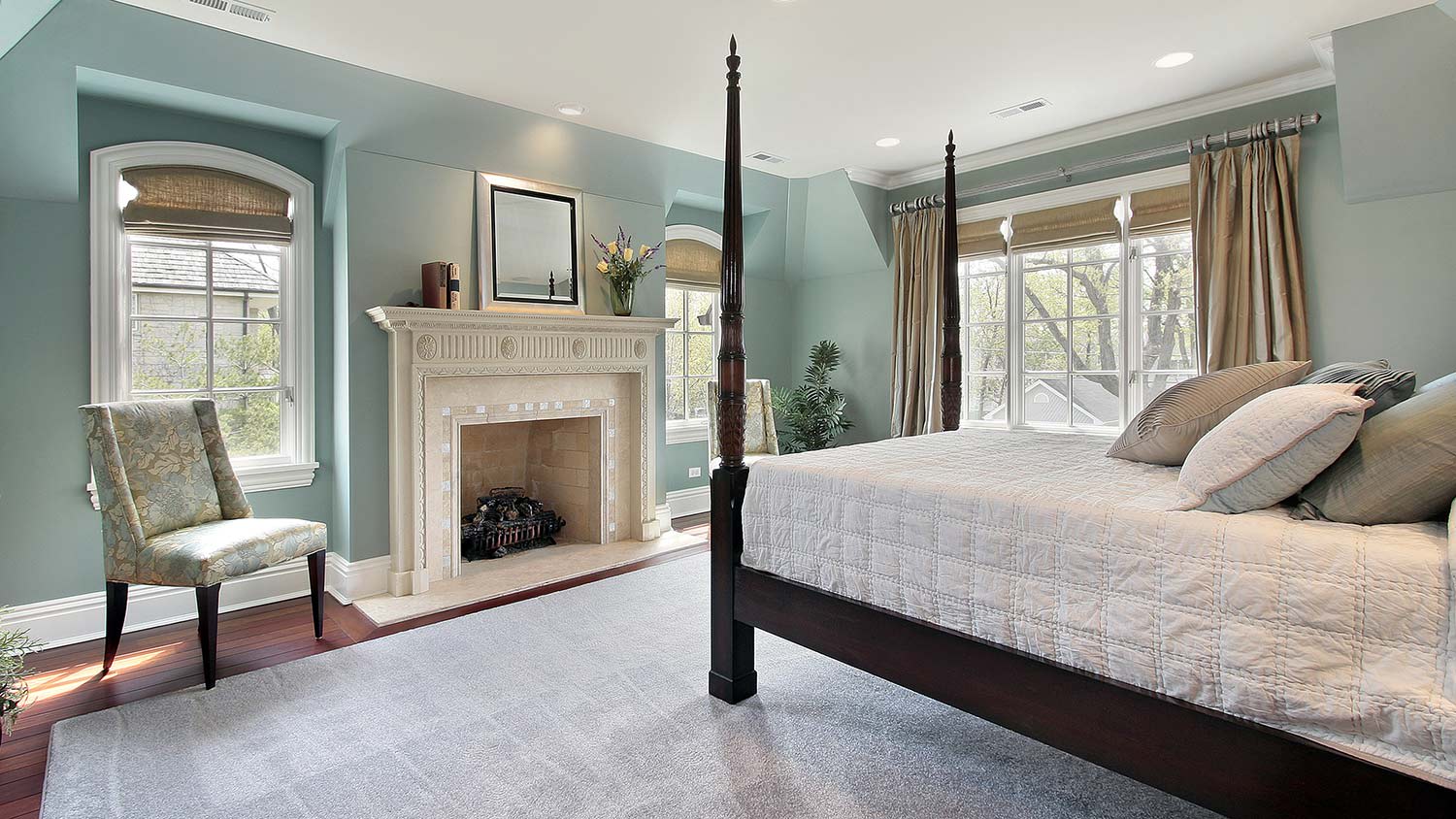
With a few easy decorating tips, you can make your bedroom fireplace the stylish focal point of your room. Up the cozy aesthetic of your bedroom with these 12 ideas.