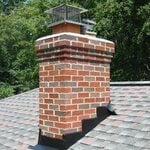
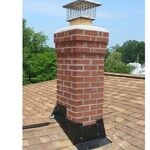
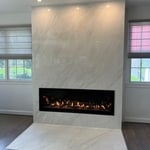
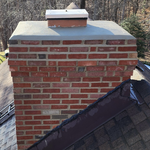
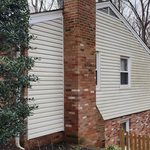
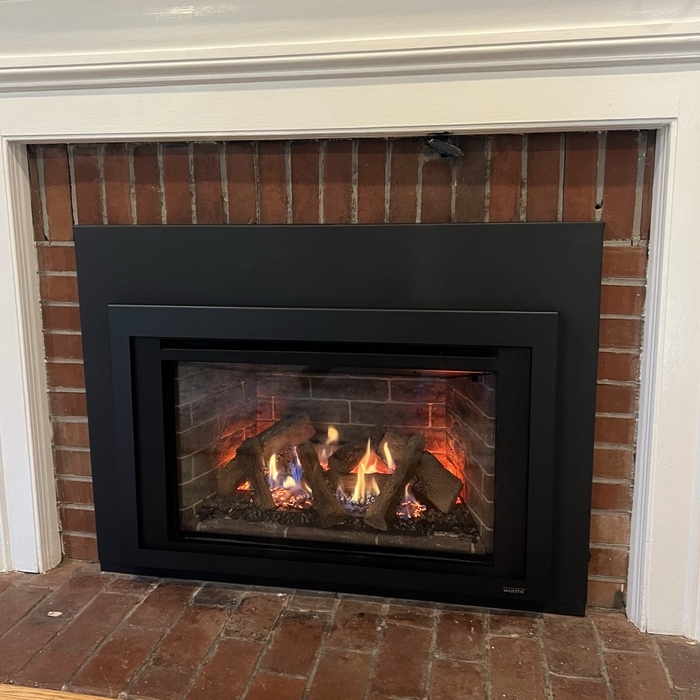
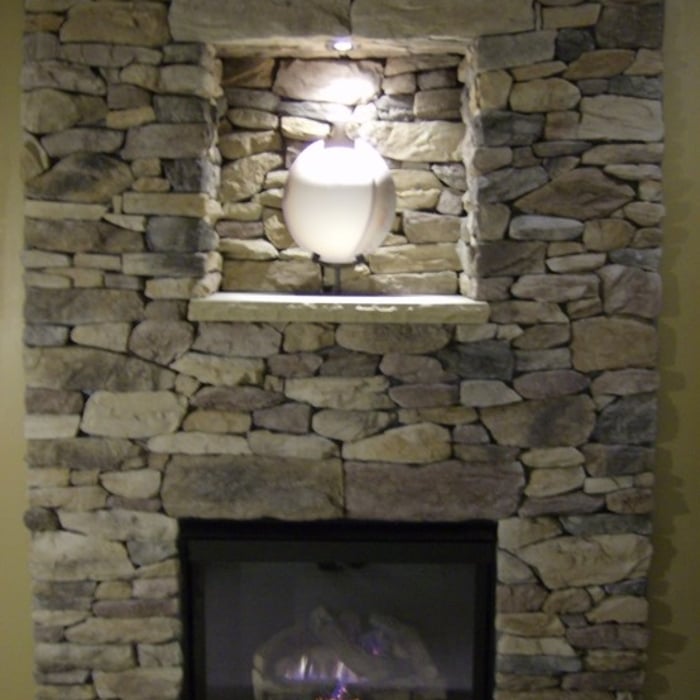
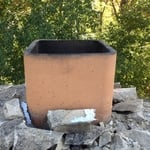
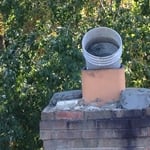
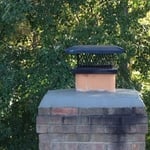
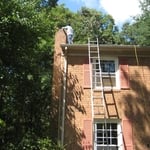
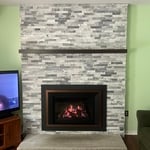
"American Professional Chimney installed a gas fireplace that is both beautiful (looks like a real wood fireplace) and warm. They installed a gasline that was done a very professional way, burying the line underground. Stephen and his team did an impeccable job, clearly explaining the pros and cons of the many options. Super happy with the service."
"Chimney.com did an excellent job installing our new gas fireplace. Brandon and Marlon communicated clearly with us regarding our specific fireplace needs, project updates, delivery time estimates, etc. Russ did a meticulous job with installation and ensured that he completed the job and that everything was working properly before leaving our house. Tiffany was super helpful during the installation process and with additional follow-up later on. I recommend chimney.com to anyone who has fire place projects."
"Very well. I burn 3-5 cords of wood per year and it is essential that I have a clean flue to prevent chimney fires. Jamie was prompt, courteous and did a very professional job. Would definitely hire again next year."
"Richard came promptly as scheduled gave detailed attention to my fireplace with various recommendations. Excellent cleaning service, professional and courteous respectful of my home and covid protocol."
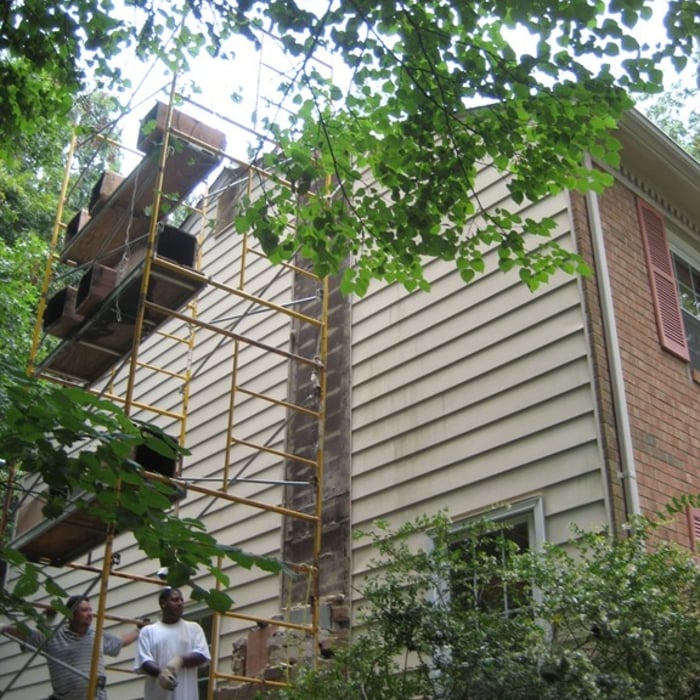
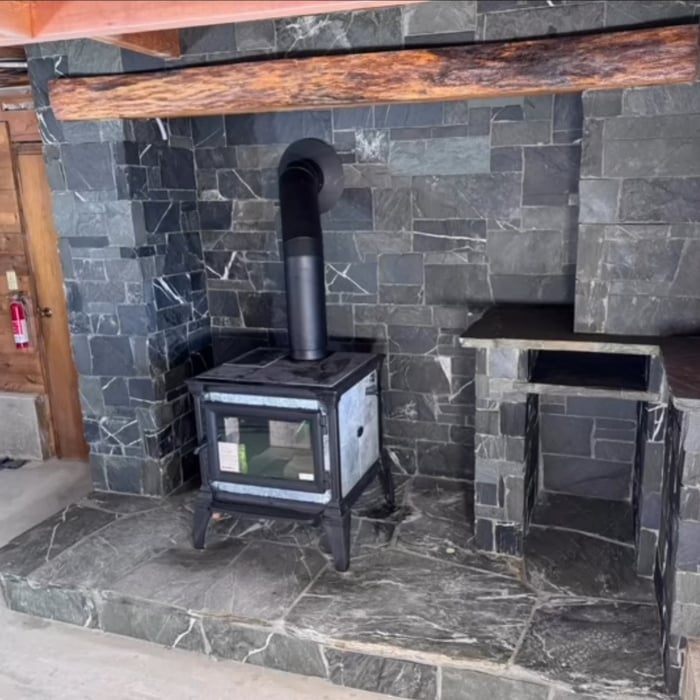
"was able to repair my fireplace to code and incorporate my existing wood stove. also repaired my open fireplace and tuck point the chimney. I little hard to get in contact with."
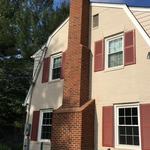
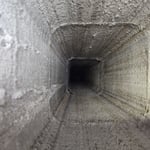
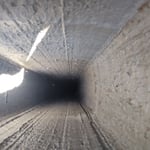
We proudly specialize in chimney and duct cleaning and repairs, delivering reliable service you can count on. With 3 years in business and a small, dedicated team, we focus on doing the job right the first time, safely, thoroughly, and with respect for your home.
\n
\nWhether you need routine maintenance or help with a specific issue, we will take the time to explain what we are doing and why, so you feel informed and confident.
\n
\nContact us today to schedule your service and keep your chimney and ducts clean, efficient, and safe.
\n
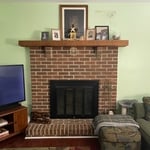
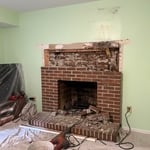
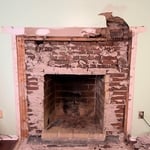
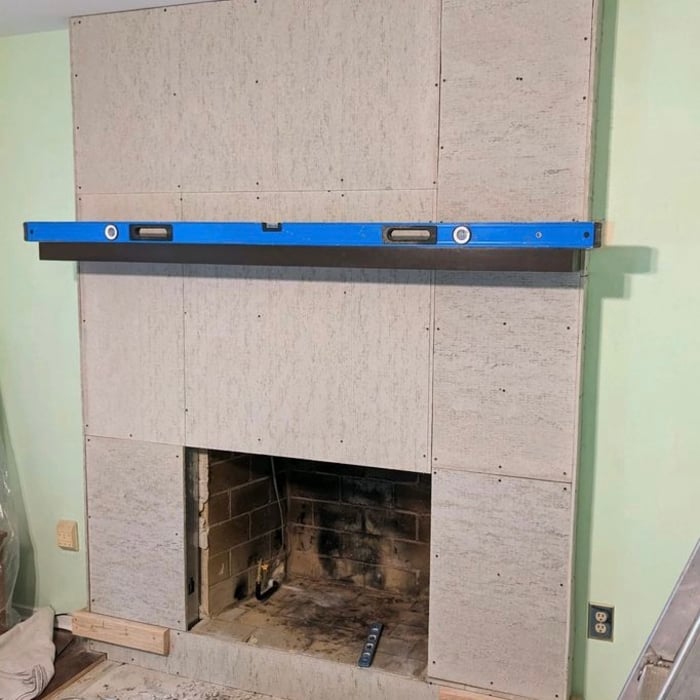
"I was dreading doing this work on my place as I was worried that it wouldn’t turn out the way I wanted. Brad came out and did an emasculate job on my fireplace and the bricks I chose for my fireplace turned out 10 times better than I expected! Thanks for the great work Brad!"
The lifespan of a chimney damper depends on several factors, including its material, how often the fireplace is used, and the amount of debris that enters the chimney. With proper maintenance, an average damper can last about 20 years. To ensure it is functioning correctly, it is best to have it professionally inspected. Some experts recommend an annual inspection, while others suggest having a chimney sweep inspect and clean it every two years. A professional can assess the damper's condition and determine if a replacement is necessary.
If you haven’t had your chimney cleaned in some time, soot and grime can build up, making it difficult for the lever to release to close the flue. When this happens, locate the lever and clean it thoroughly. If this doesn’t help, consult with a fireplace repair pro to examine it for you.
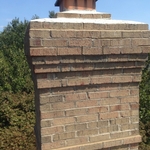
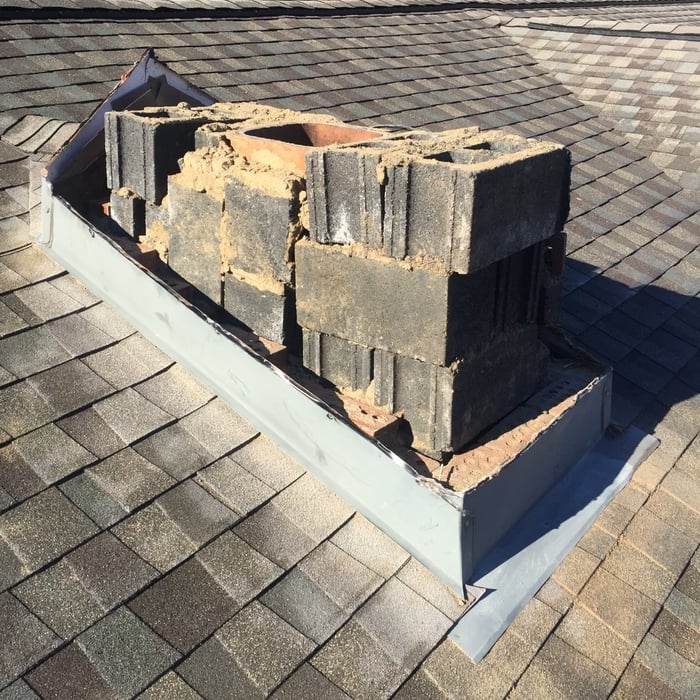
Signs that your chimney may need to be replaced include visible damage like cracks in the structure, bricks, or mortar, as well as crumbling or flaking mortar and loose bricks. Leaks, dampness, discoloration, and efflorescence (a white, stain-like substance on the bricks) are also key indicators of water damage, which can compromise the chimney's safety. Addressing these problems is essential, as a chimney in this condition may be at risk of collapsing and causing major damage to your home. A full replacement costs about $10,000 on average, but can range from $3,100 to $15,400.
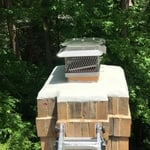
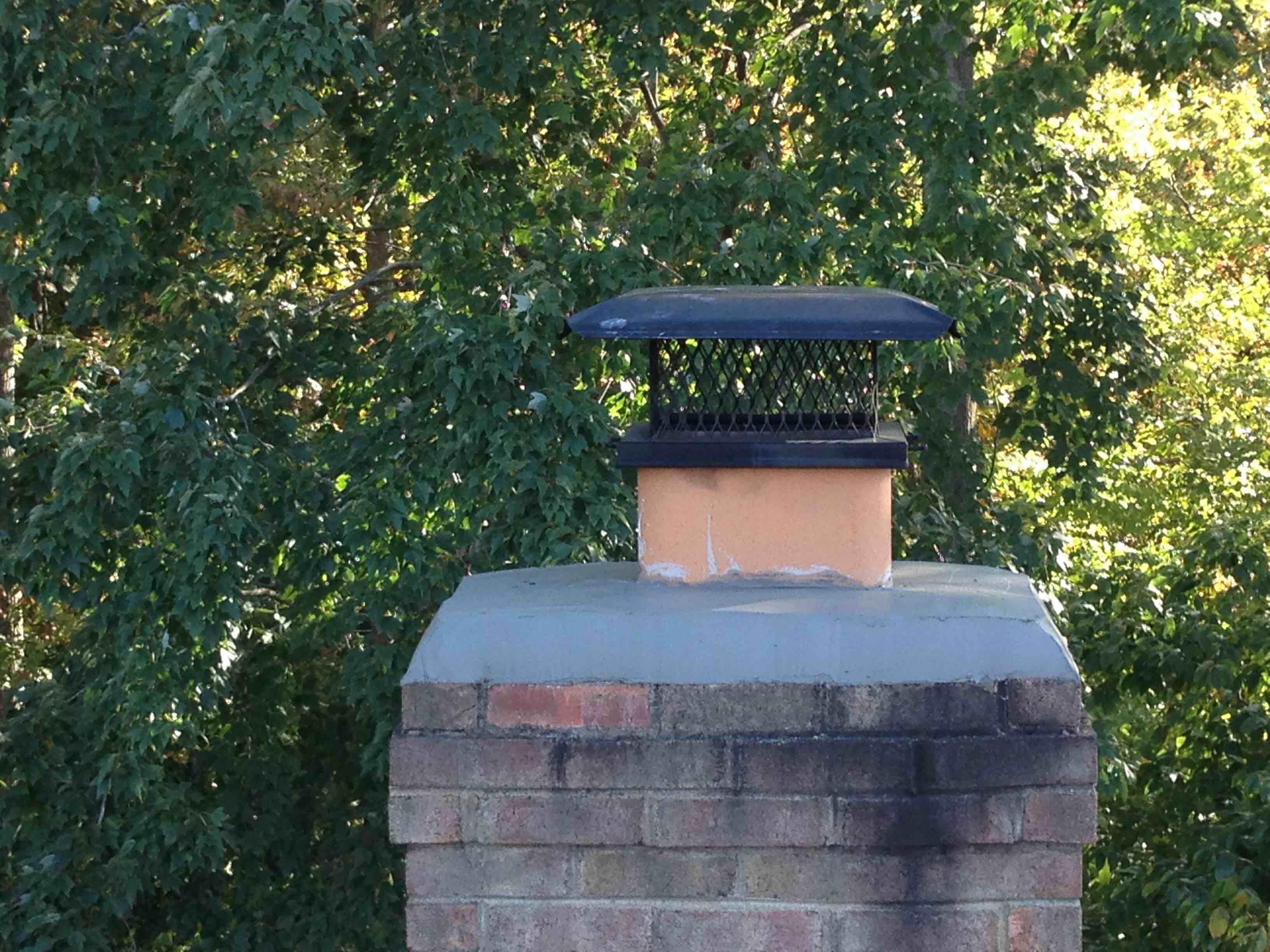
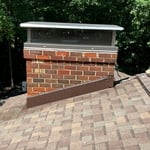
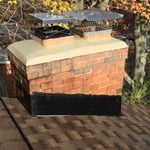
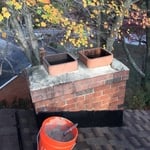
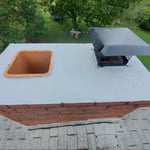
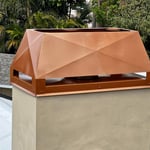
Chimney crowns are located above the final brick layer at the top of a chimney. It’s important to get regular chimney maintenance and inspection, because it is near impossible to spot chimney crown damage without getting on your roof.
Chimney crowns may be stone, concrete, or metal but most crowns are made of concrete. It’s not recommended to build chimney crowns with mortar (which is different from concrete) due to it’s weaker composition (especially when exposed to the outside elements). Most chimney crowns are custom made to fit your home’s specific chimney.
The Redland, MD homeowners’ guide to fireplace services
From average costs to expert advice, get all the answers you need to get your job done.
Find out the average brick or stone fireplace installation cost in Baltimore, MD. Learn what you can expect to pay for local masonry and installation services.
Find out the average brick or stone fireplace installation cost in Washington, D.C. Learn what you can expect to pay for local masonry and venting services.
Did you know fireplaces are a profitable home feature? From cozy indoor retreats to trendy outdoor designs, these fireplace ideas are sure to inspire you.
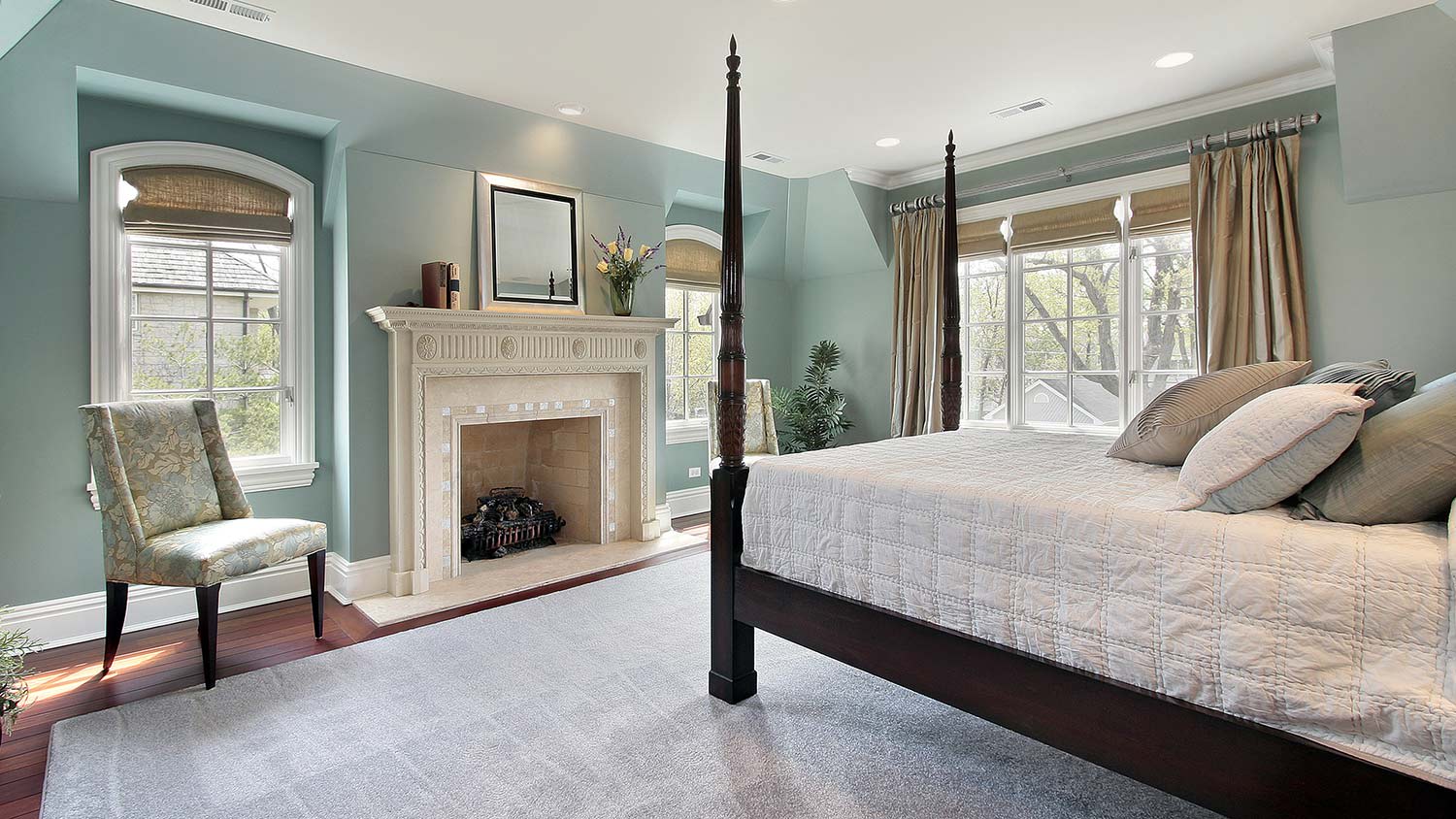
With a few easy decorating tips, you can make your bedroom fireplace the stylish focal point of your room. Up the cozy aesthetic of your bedroom with these 12 ideas.