




Get matched with top siding pros in Avenue, MD

Avenue homeowners rate siding pros in our network
4.8

(16 reviews)

Top-rated siding pros.
Siding questions, answered by experts

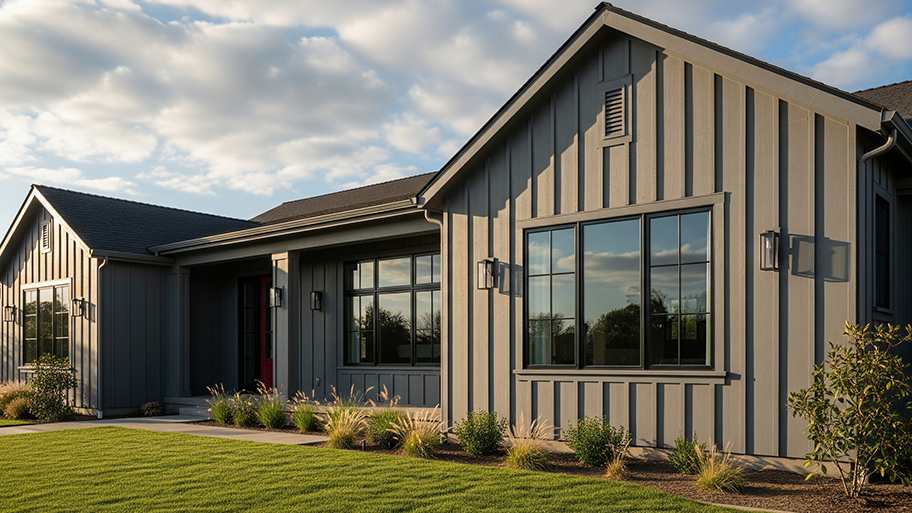
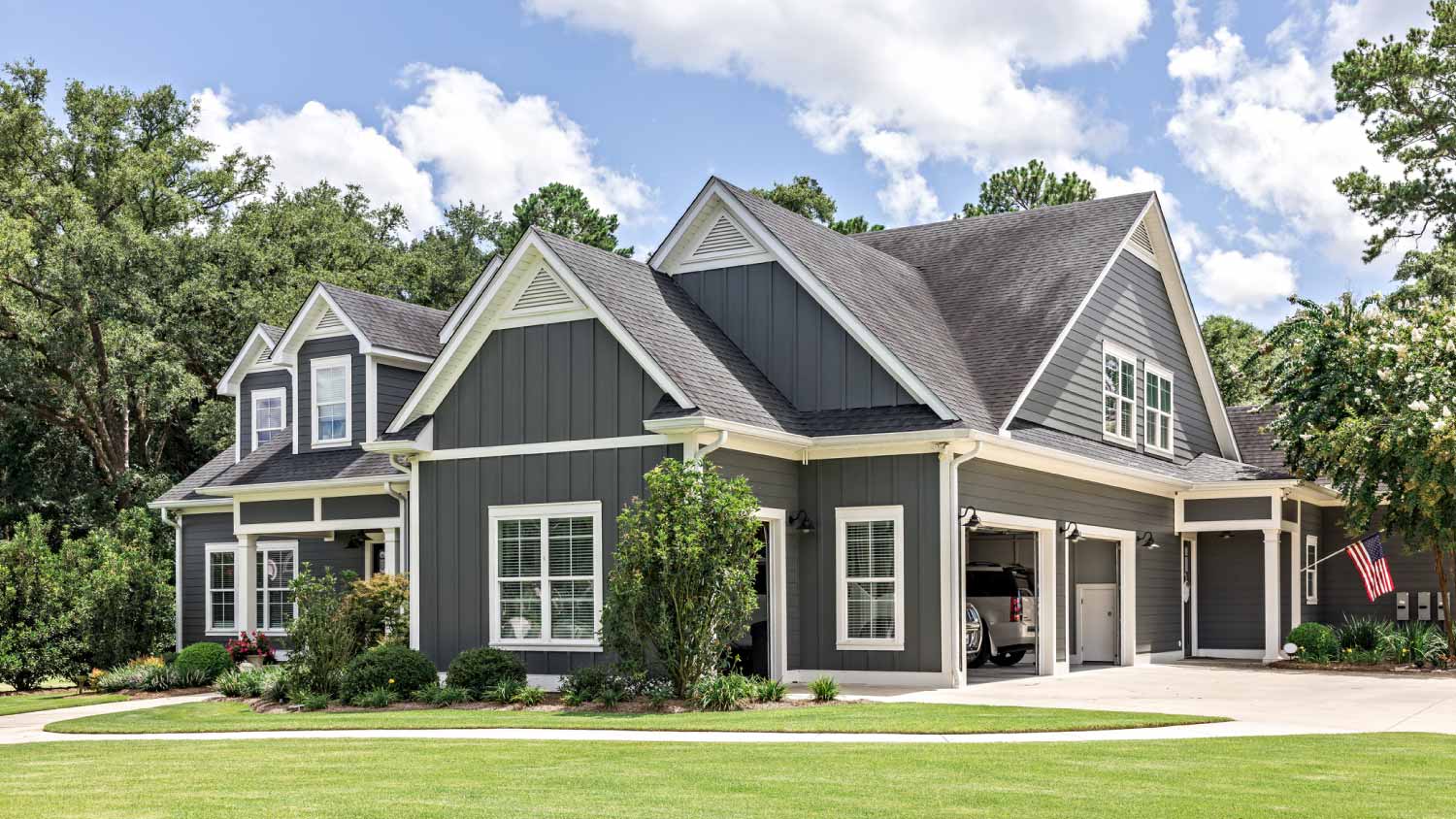
Choosing siding combinations that look good together comes down to finding textures and colors that complement each other. You want some contrast so that your home doesn’t look boring or too uniform, but you also want the materials to play off of each other so that each makes the other stand out. It’s a good idea to hire a siding professional to create 3D renderings for you so you can get a sense of what your home will look and feel like before you get started.
Composite siding is very resistant to warping that can affect some other sidings. Because of its composition, this siding doesn’t have the same risks of moisture damage that can cause rotting, buckling, and warping. Composite material doesn’t warp in high temperatures the way some kinds of vinyl siding can.

That said, composite siding is not entirely immune from moisture damage. It should still be properly installed so that moisture can properly drain from behind the siding, and protected by eaves and clean gutter so the siding doesn’t get repeatedly soaked by rain, which could lead to damage.

Not always. The answer depends on your specific vinyl siding product. While some manufacturers advise against pressure washing, others recommend pressure washing as long as pressure is kept below a certain threshold.

Composite siding, with proper care, can last 30 years and sometimes more. Because its color has a tendency to fade, you might want to re-paint it every five years or so. Before purchasing composite siding, check the manufacturer’s warranty—you should have a long-term warranty to back up the quality of the product.

Traditionally, you place a layer of ⅜-inch foam board beneath aluminum siding. This gives you a smooth surface to which you can fasten the trim and siding. Beneath the foam board, you should have some kind of waterproof sheathing to further protect your home from water damage. It’s possible this sheathing is already under your current siding.