


Top-rated asphalt driveway pros.

Get matched with top asphalt driveway pros in Avenue, MD

Enter your zip and get matched with up to 5 pros

Need a pro for your asphalt driveway service project in Avenue, MD?

Select your specific project to find the pro for you.
Asphalt Driveways questions, answered by experts

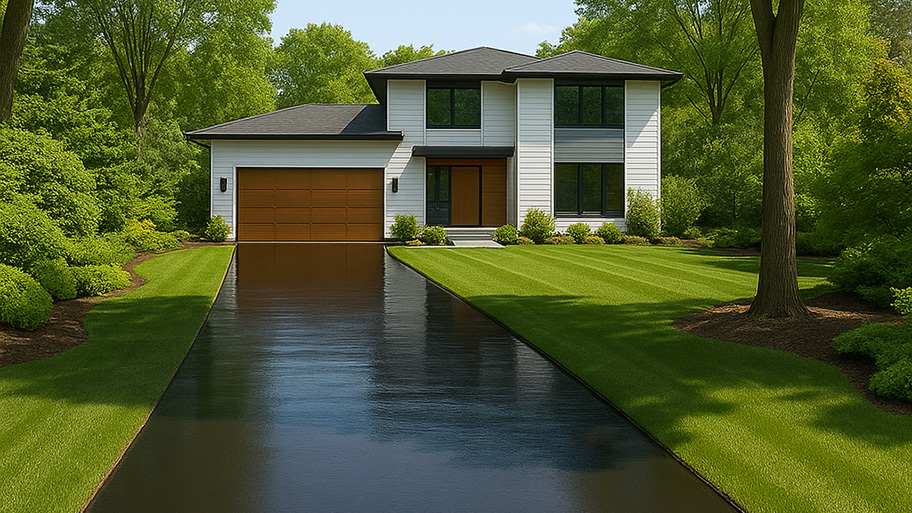
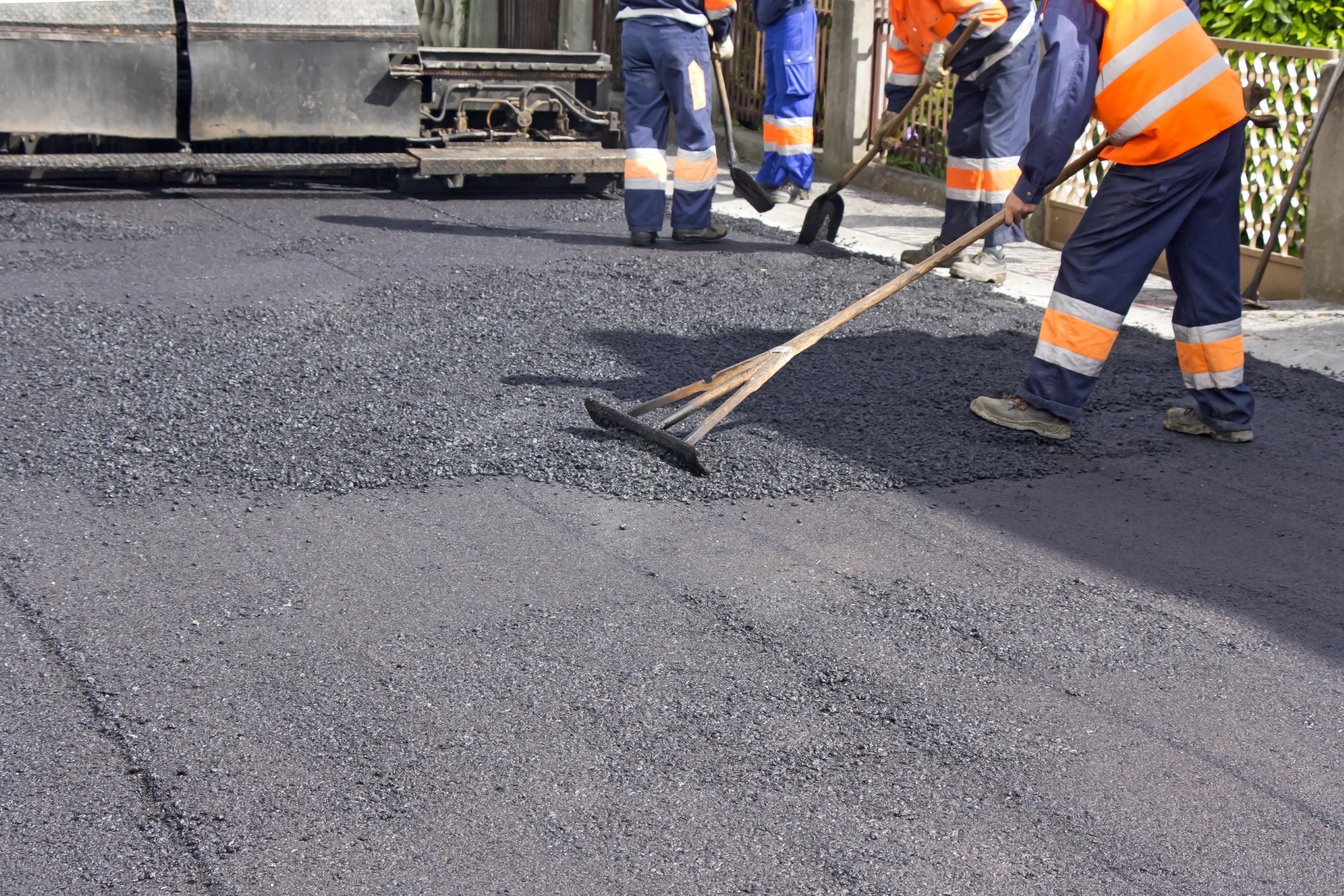
When asphalt cures, it typically changes from a very dark black hue to a lighter, more matte gray color. Cured asphalt also won’t be tacky or sticky to the touch or emit any odors from the asphalt mix. Additionally, the surface of fully cured asphalt won’t deform under any pressure.

Asphalt and tarmac are not the same thing. Traditional tarmac, short for tarmacadam, uses tar as a binder to hold crushed stone together. Asphalt uses bitumen—a byproduct of crude oil—to bind aggregate. Though tarmac was once a go-to for roads, asphalt has become the modern standard. And these days, most surfaces referred to as “tarmac” are actually asphalt. So, while the names may overlap, the key distinction lies in the binder—tar for tarmac and bitumen for asphalt.

Cobblestone is just one of many driveway materials. Other, more economical, albeit less elaborate options include concrete, asphalt, and gravel. 

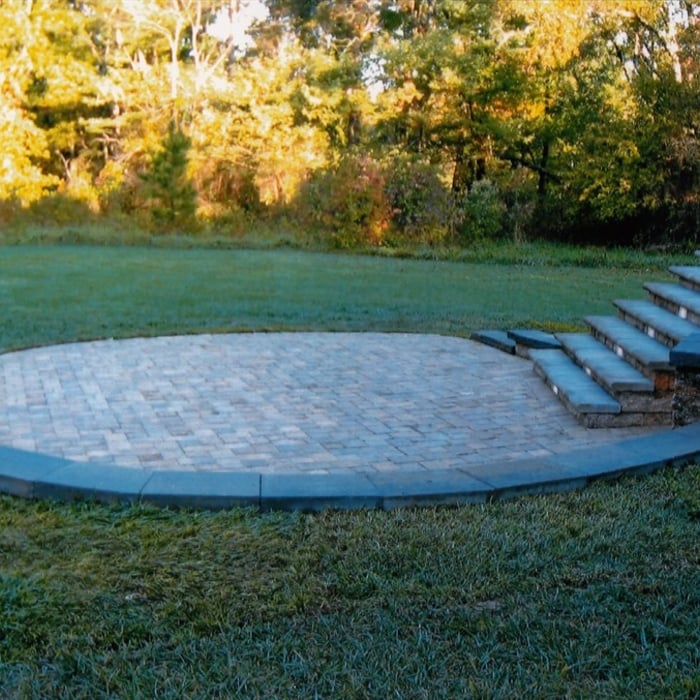
If you want a material that most closely resembles cobblestone, your best option is bricks or pavers. Both cost anywhere from $10 to $50 per square foot and can be laid in all kinds of patterns. Depending on the type of paver you choose, you can also get a good bang for your buck by investing in durable natural stone.

The dimensions of a driveway apron vary based on local building codes, the width of your driveway, and the distance between the driveway and the road. On average, aprons range from 12 to 24 feet wide and 8 to 18 feet long. Typically, the end of the apron connected to the driveway matches its width—such as 10 to 12 feet for a single-car driveway—while the end at the street flares out to allow cars to turn in and out more easily. In some areas, you may not be responsible for the portion of the apron that extends beyond the sidewalk, but this depends on local laws.

In most cases, you don’t need a permit to repave your driveway, although some exceptions exist. If you’re widening your driveway and plan on widening the apron as well, you’ll usually need a permit from the Department of Transportation in your area. This permit costs between $50 and $300 in most cases. Most municipalities will also require a certified and insured contractor do the work relating to the apron and curb cut. You can contact your building department or ask your paving company if you need a permit. Your driveway professional will usually pull the permit for you.