





Top-rated septic tank pros.

Get matched with top septic tank pros in Grayson, LA

Enter your zip and get matched with up to 5 pros

Need a pro for your septic tank service project in Grayson, LA?

Select your specific project to find the pro for you.

Find Septic tank pros in Grayson

KP Company
New to Angi
Septic System - Install or ReplaceSeptic System - Install or Replace - For BusinessSeptic System - Repair+1 more

Serving Grayson, LA and surrounding areas

In business since 2006

Free estimates

Our company invites you to experience prompt service and superior attention to detail. Our customer satisfaction is our top priority. We will earn your trust for a lifetime. We believe in making all clients repeat clients. You can be assured you're in good hands with our company working on your home improvement project. If you are looking for a contractor that follows business practices such as promptly returning phone calls, arriving on time for appointments and following through on promises then call our reputable company today We will be the one and only contractor you'll ever need. Call us today you'll be pleased you did. Thank you

Response time1 day
Septic Tanks questions, answered by experts

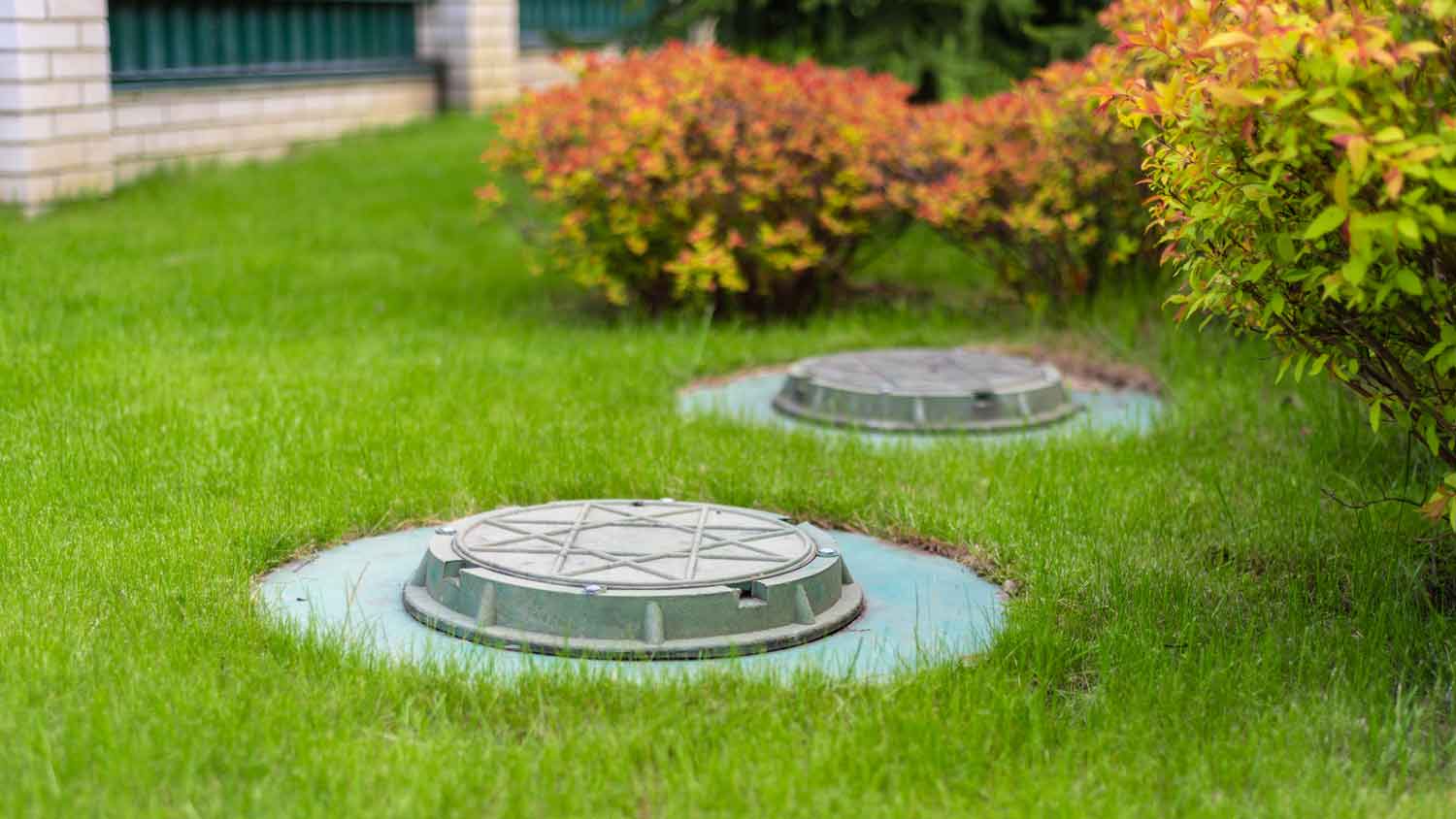
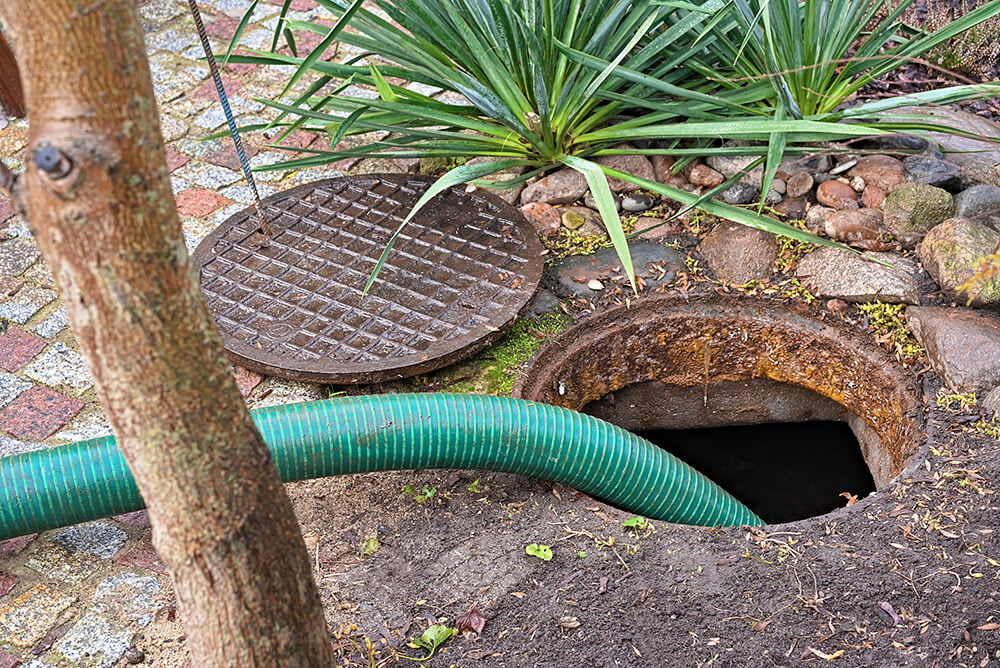
Septic tanks come in multiple shapes, sizes, and materials. However, they’re often round or rectangular in shape and made from concrete, fiberglass, or plastic. There’s a range of septic tank sizes, with the average model measuring 30 to 40 square feet and holding 1,000 to 1,500 gallons of waste.

Yes, shower water goes into the septic tank. Shower water is a type of greywater, and in fact, all water used in a home with a septic system—including water from sinks, toilets, the dishwasher, and the washing machine—drains into the tank. When shower water enters the tank, debris like soap and hair travels with it. The solid debris sinks to the bottom to become sludge, while soap residue joins the scum layer at the top. The remaining water is treated in the tank before moving to the drain field for further treatment and dispersal. It is important to avoid putting oil or harsh chemicals down any drain, as they can cause clogs or disrupt the beneficial bacteria required for proper wastewater management in the septic system.

Leach lines are commonly made of PVC pipe, and they’re placed into trenches filled with gravel and sand, which help treat the wastewater. The PVC pipes are perforated, or drilled with small holes, so the wastewater can drain out of the pipes and into the surrounding material, which eventually leads to the aquifer.

With regular testing, treatment, and maintenance, water from a community well should be safe to drink. Unfortunately, the EPA does not regulate private wells, and contamination can happen. 

If you have doubts about the quality and safety of your drinking water, you have options for testing. You can pick up kits from your local home supply store or harvest samples and send them to a local testing facility. To get the most complete water quality testing and system diagnosis, seek a local well professional. They know what to test for and can recommend and implement a longer-lasting solution.

Many variables, such as home size, type of engineered system, the material used, soil conditions, and water usage, dictate how long your system will last. On average, most homeowners find that their system lasts 15 to 20 years, though it’s not unheard of for them to last up to 40 years with annual and preventative septic maintenance.

The Grayson, LA homeowners’ guide to septic tank services

From average costs to expert advice, get all the answers you need to get your job done.