







"He was able to quickly diagnose that the water leak from the water heater was a result of a ruptured tank, resulting in the need to replace the entire water heater."
"I just pay $75 you never know who's going to come out. They do everything electrical. Just about everything is covered except the septic tank. I had an air conditioner replaced. It went great, all I had to do was pay for the freon. He didn't charge e more than what was needed."
Welcome to Hero Pumping Services, LLC! In business since 2022, we are a full service contracting company who takes great pride in the quality of our work and guarantees customer satisfaction. We service all residential and commercial properties, and no job is too big or too small. Serving Saline and its surrounding areas, be sure to give us a call today!
CLS Sewer Systems, LLC, specializes in Sewer System Installation and Repairs. We also service septic systems. Customer satisfaction is our priority and keeping our prices competitive. Call today.
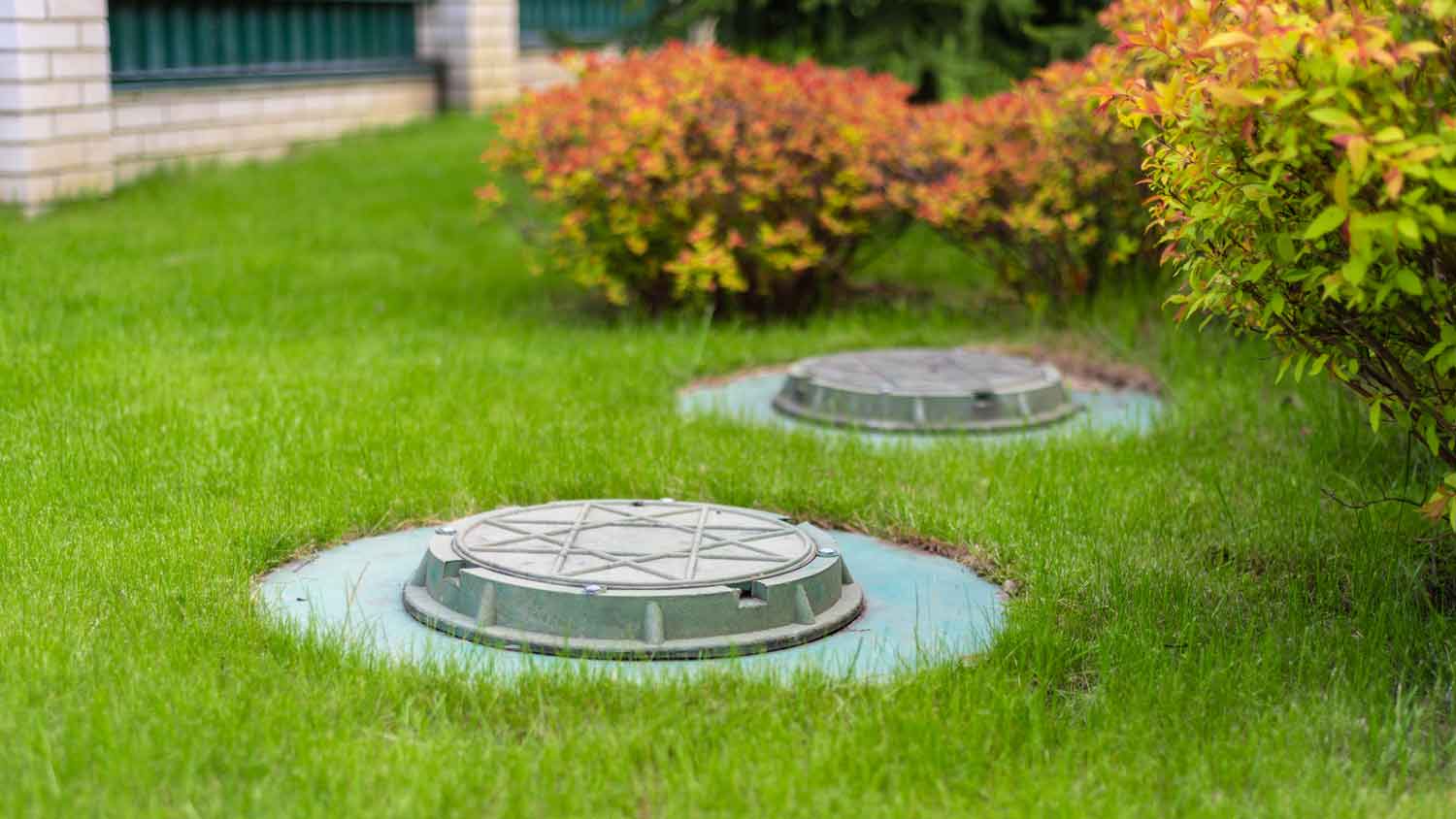
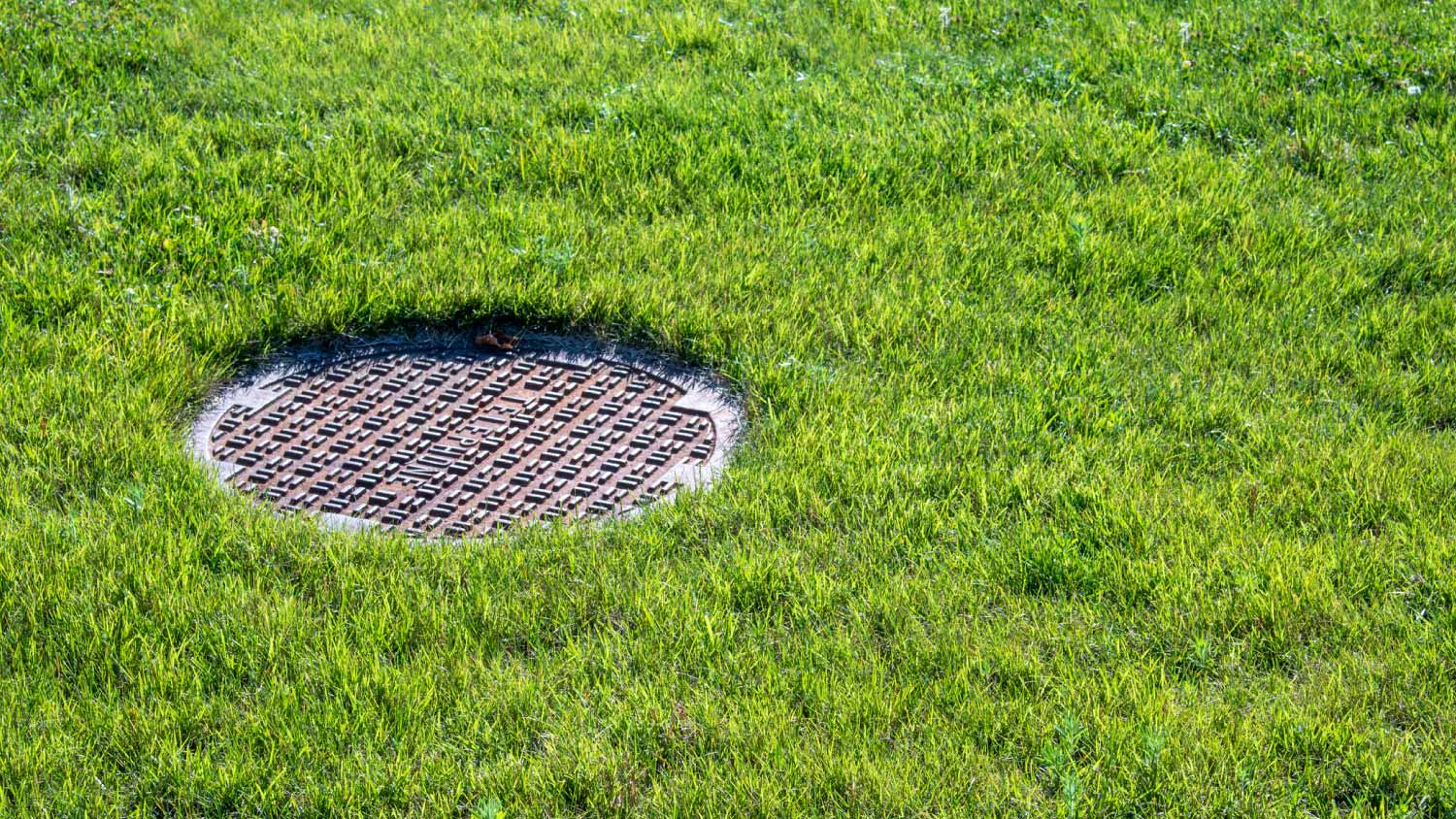
Concrete septic tank risers are heavier and more durable than plastic or fiberglass ones, making them suitable for long-term use. Installing a concrete riser differs from installing plastic or fiberglass risers primarily in the materials and methods used. The process involves cutting the concrete risers to the required length and then stacking them, using concrete sealant or adhesive between sections for secure attachment. Due to their weight, extra care is necessary during leveling and the attachment of sections. Concrete sealant or adhesive may also require a curing before the riser is ready for use.
The purpose of a septic tank is to allow solid wastes to separate out of the wastewater using time, gravity, and other natural biological processes. If your septic tank is too small, it might be overwhelmed by solid waste and unable to accomplish this task—and if it’s far too large, there won’t be enough liquid in the tank to nurture the necessary bacteria to aid in the breakdown process.
Septic drain fields should be at least 10 feet from the property line, though exact requirements vary by location. Some areas may require further distances, such as 25 feet or more, depending on soil conditions and local health regulations. This extension ensures proper wastewater absorption and prevents contamination of neighboring homes.
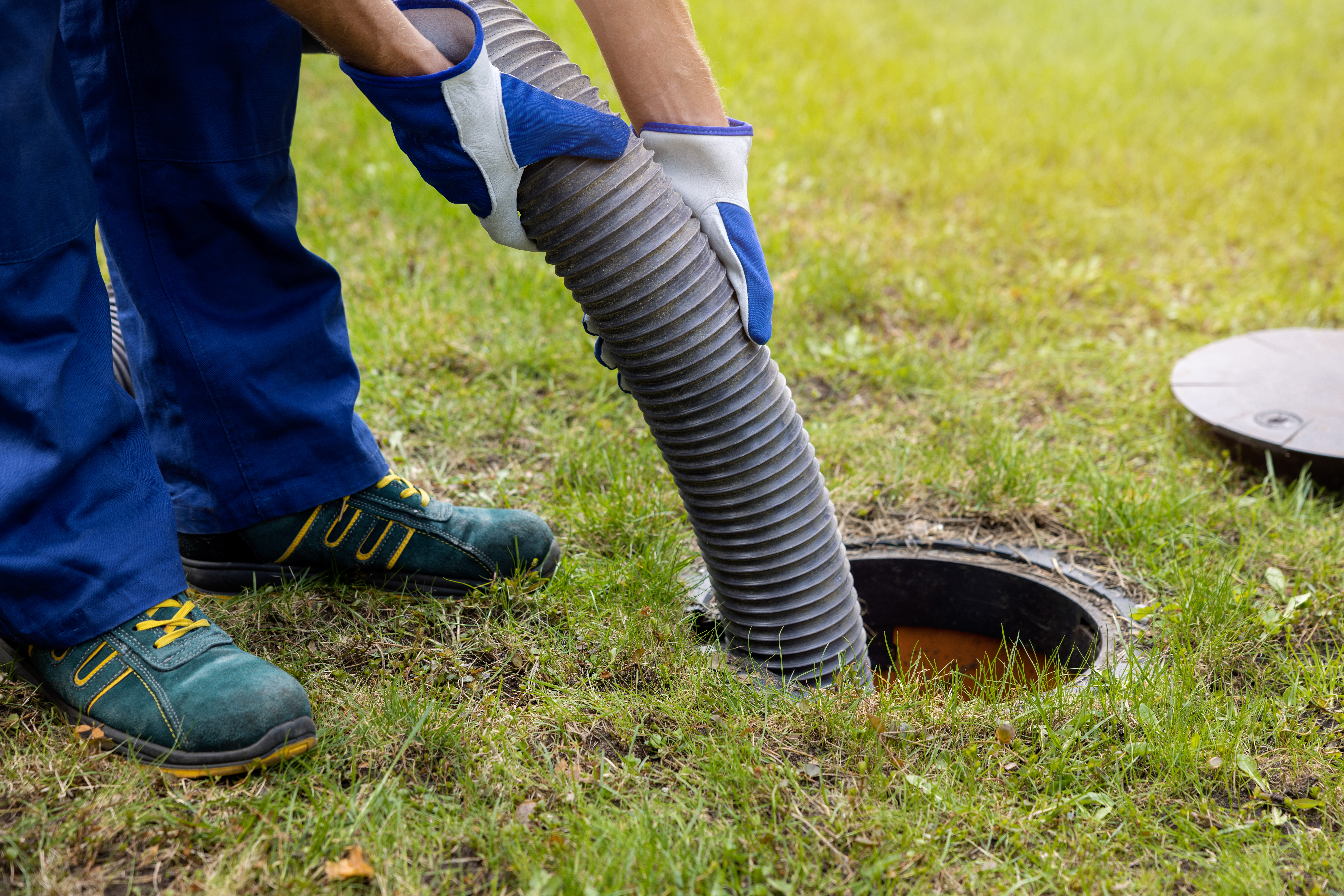
The best times of year to empty or pump a septic tank are spring and fall. Many professionals recommend spring because the ground has thawed, making the tank easier to access and the waste less likely to be frozen. Pumping before summer also helps avoid conflicts with vacations or outdoor gatherings. Fall is another great option, as contractors may be less busy, and servicing the tank can reduce the risk of overflow from winter and spring precipitation. While summer is also a suitable time, winter is generally not recommended due to frozen ground.
There are a couple of ways you can determine the depth of your well. One method is to use a device called a well sounder. This tool has a long measuring tape containing a sensor to alert you once the end reaches the water.
Or you can DIY it by using a long tape measure with a half-filled bottle of water attached to it. Lower the tape measure into your well. Once you feel tension on the tape, you’ll know the bottle has reached your static water level. This will give you an approximate idea of your well’s depth.
The Choudrant, LA homeowners’ guide to septic tank services
From average costs to expert advice, get all the answers you need to get your job done.
Caring for your septic system is crucial to ensuring its long life. But how much does it cost to pump a septic tank? We explore the different cost factors.
A damaged septic system can leak odors and sewage, so repairs are urgent. Find out how much septic tank repair costs based on repair type, tank size, and more.
Septic tank risers make it easy to access your septic tank when it’s time for routine inspection, maintenance, and pumping, saving you precious time and labor costs.
Septic tank sizes vary depending on the size of your home, how many people live there, how much water you use, and more. Read on to learn how to determine the right size for you.