



Top-rated septic tank pros.

Get matched with top septic tank pros in Pollock, LA

Enter your zip and get matched with up to 5 pros

Need a pro for your septic tank service project in Pollock, LA?

Select your specific project to find the pro for you.

Find Septic tank pros in Pollock

Septic Tanks questions, answered by experts

A well does not run out of water because the groundwater continues to refill with rainwater that seeps through the ground. If the well is too shallow or there is a drought, a well can run dry or be short in supply. It’s important to have a well deep enough to source enough water for your home’s use. Deeper wells tap into more groundwater reserves. If your well is not producing enough water, you may need to redig your well.

The best bacteria to add to a septic tank is anaerobic bacteria, which doesn't use oxygen to break down solid waste. Because there is less oxygen in a septic tank, anaerobic bacteria can decompose sludge in a sealed environment. On the other hand, aerobic bacteria need oxygen and are prevalent in the leach or drain field of a septic system.

A submersible pump should be at least 10 feet from the bottom of the well to minimize the risk of the pump drawing debris into the well water. Submersible pumps work best for wells that are 25 feet deep or less. If you have a deeper well, choose a jet pump instead of a submersible model.

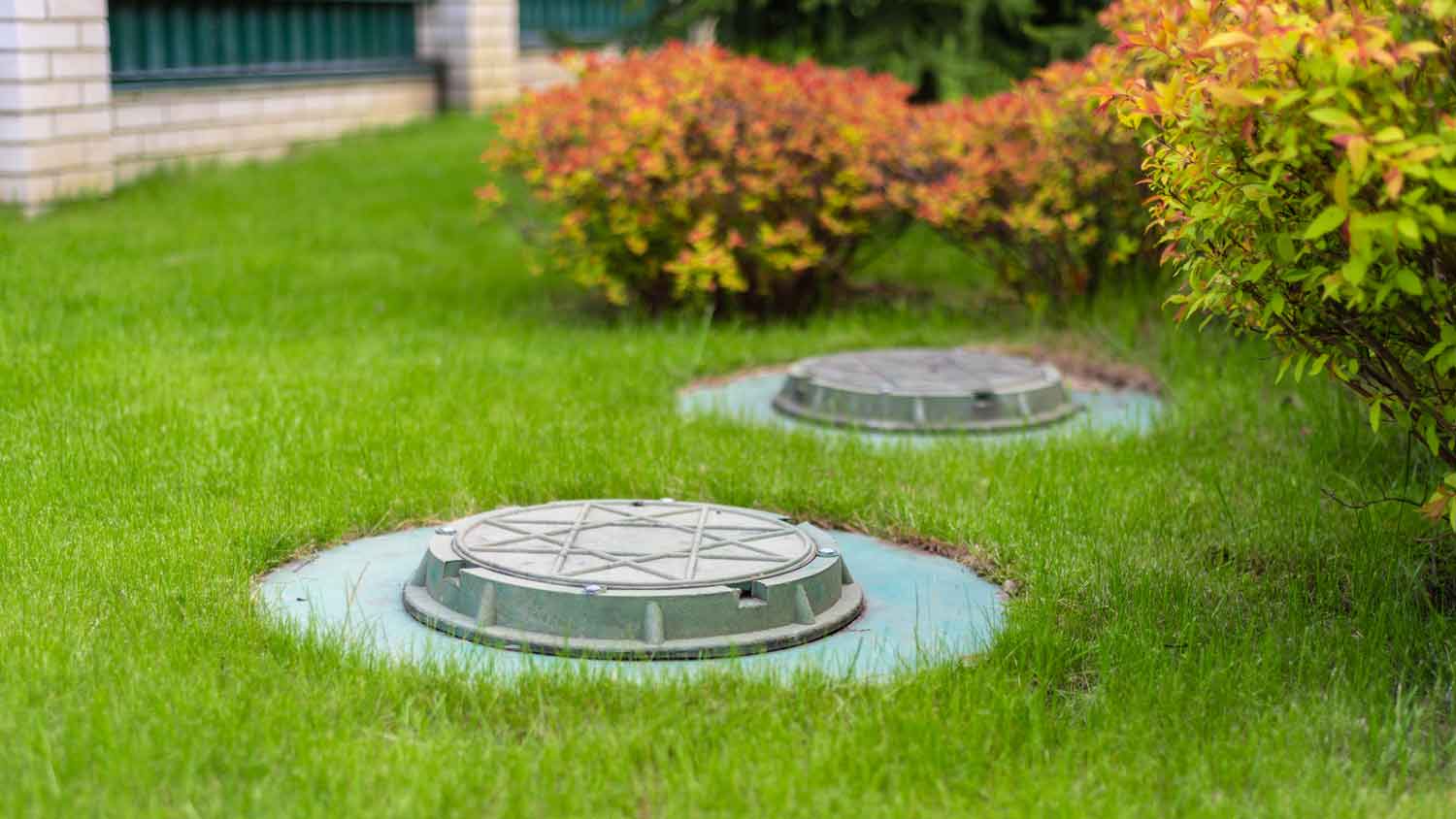
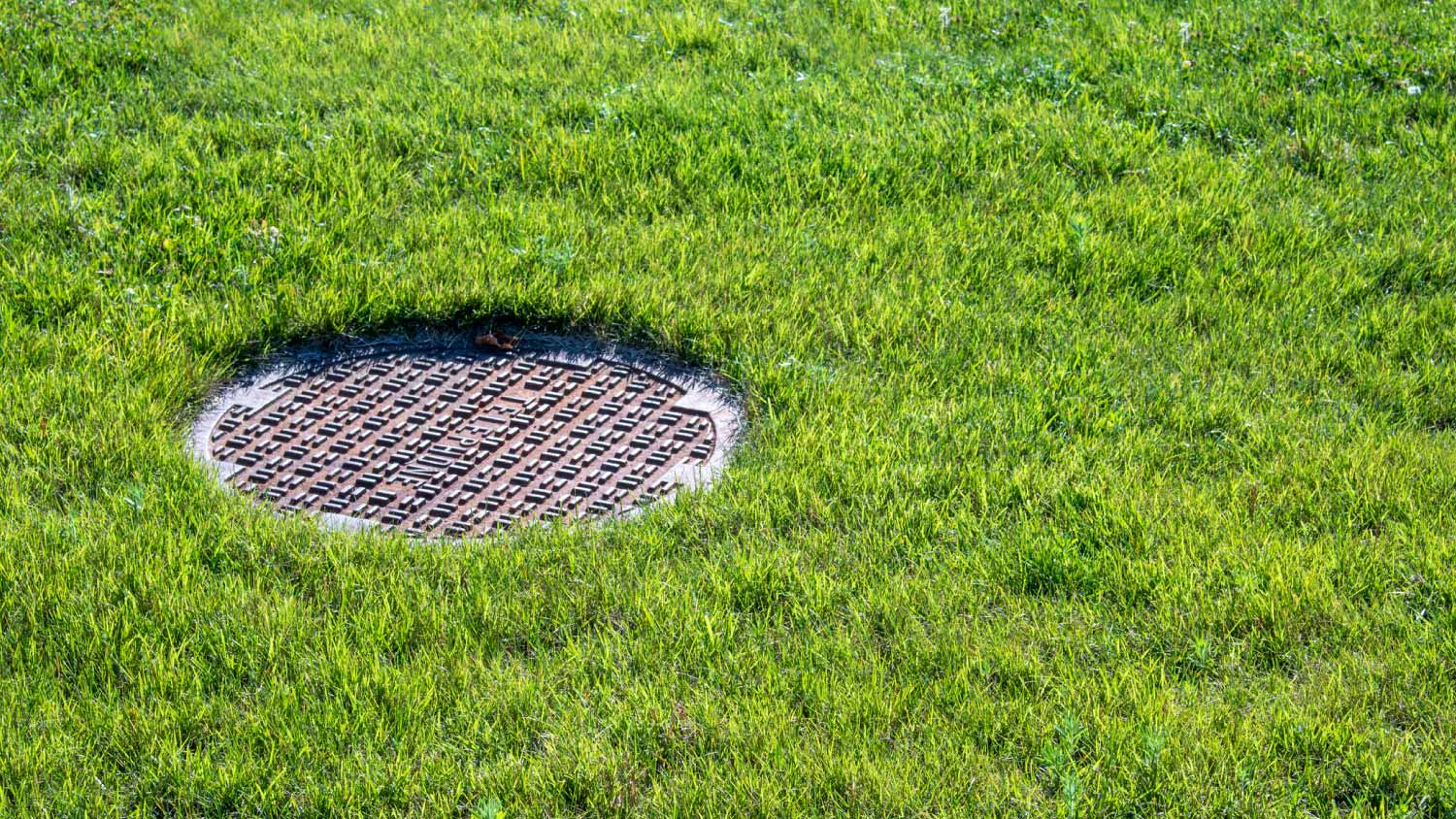
It is not normal to smell your septic outside and indicates a problem such as an unsealed manhole or access lid, a clogged septic line, a faulty vent stack, or the need for a septic tank pumping. If sewage is leaking from your septic system, it can be hazardous to you, your family, pets, and the surrounding environment. You can troubleshoot the issue yourself, or contact a septic tank pro who can resolve the issue quickly.

Yes, shower water goes into the septic tank. Shower water is a type of greywater, and in fact, all water used in a home with a septic system—including water from sinks, toilets, the dishwasher, and the washing machine—drains into the tank. When shower water enters the tank, debris like soap and hair travels with it. The solid debris sinks to the bottom to become sludge, while soap residue joins the scum layer at the top. The remaining water is treated in the tank before moving to the drain field for further treatment and dispersal. It is important to avoid putting oil or harsh chemicals down any drain, as they can cause clogs or disrupt the beneficial bacteria required for proper wastewater management in the septic system.

The Pollock, LA homeowners’ guide to septic tank services

From average costs to expert advice, get all the answers you need to get your job done.