



Top-rated septic tank pros.

Get matched with top septic tank pros in Gilbert, LA

Enter your zip and get matched with up to 5 pros

Need a pro for your septic tank service project in Gilbert, LA?

Select your specific project to find the pro for you.

Find Septic tank pros in Gilbert

KP Company
New to Angi
Septic System - Install or ReplaceSeptic System - Install or Replace - For BusinessSeptic System - Repair+1 more

Serving Gilbert, LA and surrounding areas

In business since 2006

Free estimates

Our company invites you to experience prompt service and superior attention to detail. Our customer satisfaction is our top priority. We will earn your trust for a lifetime. We believe in making all clients repeat clients. You can be assured you're in good hands with our company working on your home improvement project. If you are looking for a contractor that follows business practices such as promptly returning phone calls, arriving on time for appointments and following through on promises then call our reputable company today We will be the one and only contractor you'll ever need. Call us today you'll be pleased you did. Thank you

Response time1 day
Septic Tanks questions, answered by experts

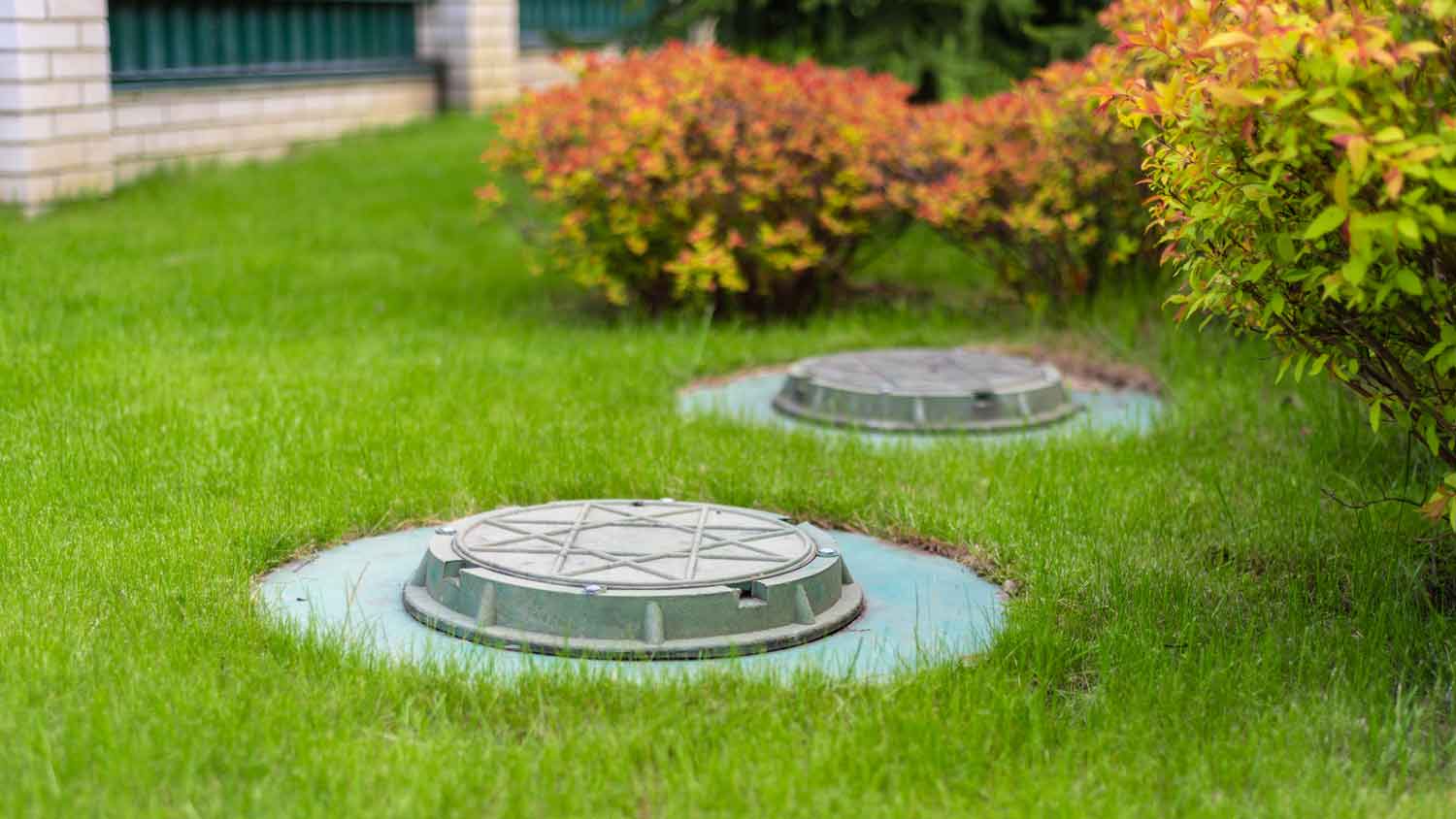
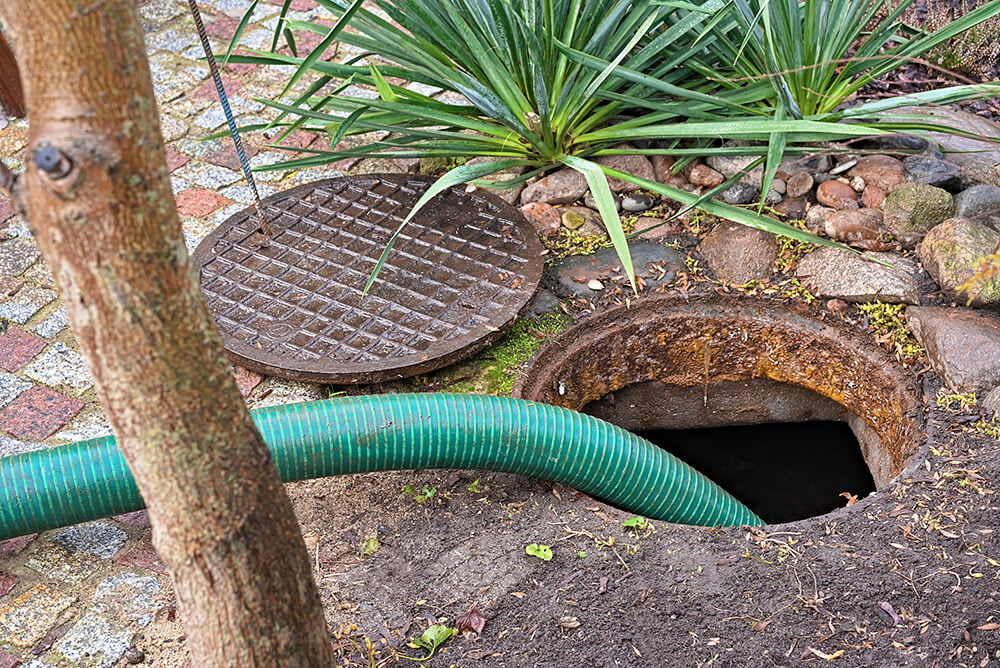
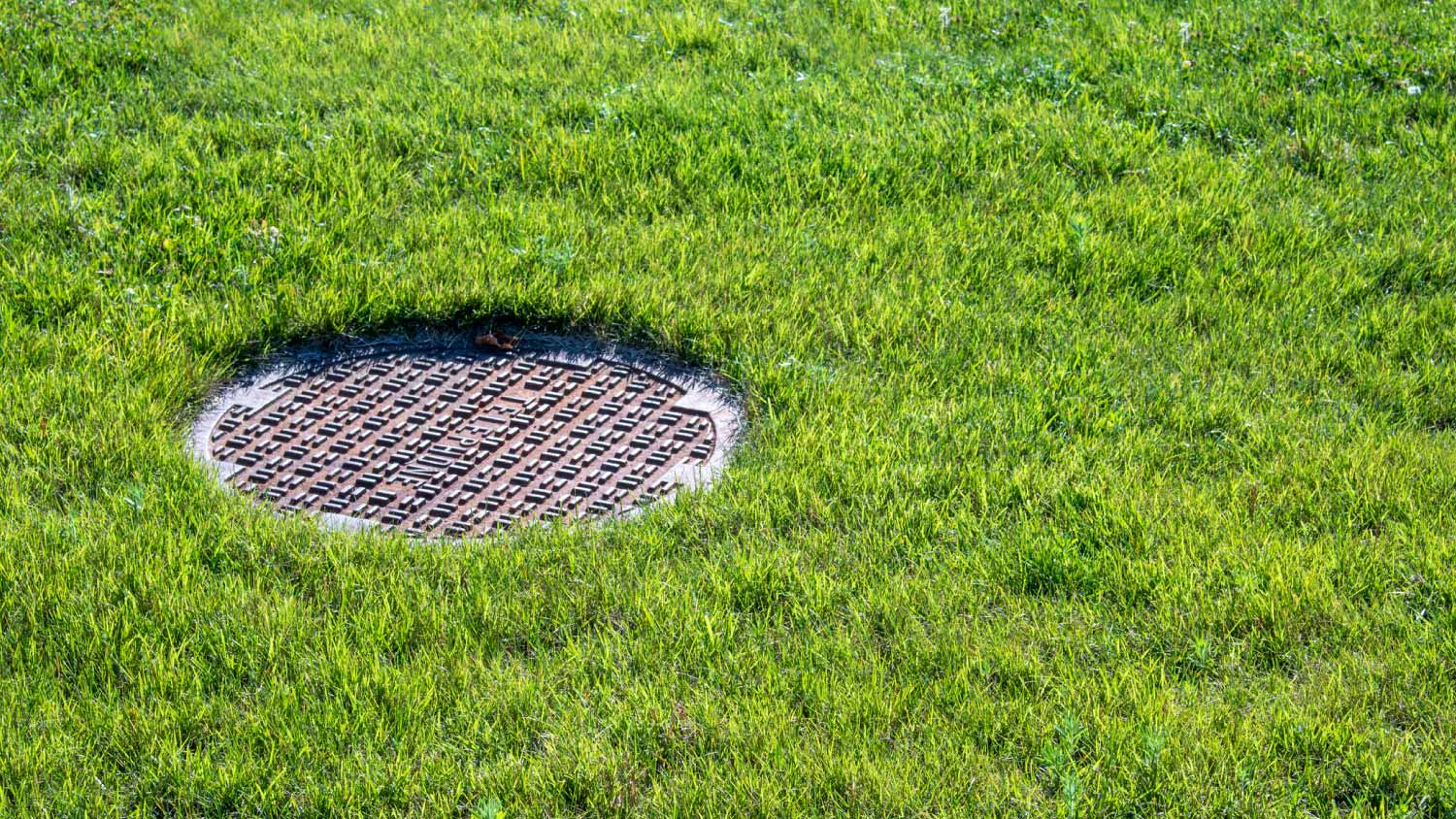
A septic tank lid is often 1 foot underground, but it could be just 4 inches from the surface or 4 feet deep. For septic tank lids that are closer to the surface, you’ll have an easier time locating them just by looking for signs in the yard or using a metal probe. But for septic tanks that are buried deeper underground, you’ll need to hire a pro with specialized equipment to track down the lid without risk of damaging utility lines.

There is no standard depth for burying a septic tank; they are typically buried anywhere from 4 inches to 4 feet underground. The final depth depends on several factors, including the depth of your main sewer line, the height of the bedrock, soil type, local regulations, and the property's landscape. If you plan to grow grass or plants over the tank, a depth of at least 4 to 6 inches is recommended. Deeper tanks can be more difficult to locate, but a septic professional can help find it for you.

Most homeowners know there’s a septic system problem when they can smell one. However, this isn’t exactly a scientific deduction method. Consider some of the other signs: standing water or constantly damp earth in the drainage area, toilets and sinks that won’t drain or frequently back up, and loud plumbing. You really need to be on top of routine maintenance with septic systems in order to avoid such unpleasant symptoms of a septic issue. 

The pressure in a well pressure tank should be set 2 to 3 PSI below the pump's cut-on pressure. The cut-on pressure is the lower number in the pressure setting (e.g., the '30' in 30/50 PSI) and is the point at which the pump starts. The cut-out pressure is the higher number, where the pump stops.

For example:

  • If your pressure switch is set to 30/50 PSI, the tank pressure should be 27-28 PSI.

  • If your pressure switch is set to 40/60 PSI, the tank pressure should be 38 PSI.

Common pressure settings for household applications include 20/40, 30/50, and 40/60 PSI. The difference between the cut-on and cut-out pressure is typically 20 PSI.

While a traditional septic tank requires a leach field for wastewater disposal, it is possible to have a septic system without one. Some alternative systems, which are often used when there isn't enough space for a full-size leach field, include mound systems or sand filtration systems. In a conventional setup, the leach field is essential because it's where the wastewater goes after leaving the tank.

The Gilbert, LA homeowners’ guide to septic tank services

From average costs to expert advice, get all the answers you need to get your job done.