
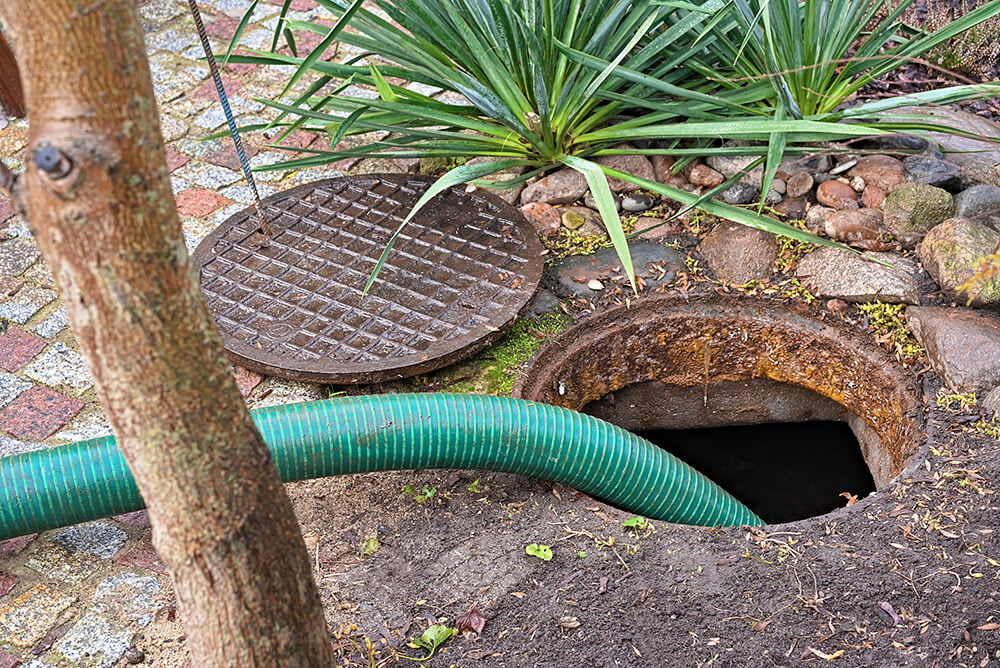
Caring for your septic system is crucial to ensuring its long life. But how much does it cost to pump a septic tank? We explore the different cost factors.
The bigger they are, the longer they take

Septic tank pumping time ranges from 20 to 30 minutes for smaller tanks up to 1,250 gallons and 45 to 60 minutes for larger tanks over 1,500 gallons.
Replacing a damaged baffle or fixing cracks in your septic tank adds $300 to $500 to the service cost and 30 to 60 minutes before pumping begins.
Waiting for full laundry loads instead of running frequent small loads helps conserve water and prevents your septic tank from filling too quickly between pumpings.
Hiring a local septic tank cleaning professional provides proper equipment and expertise for safe waste removal, plus they handle hauling over 1,000 gallons of waste away.
Septic tanks need to be pumped once they're almost full. You'll know it's time for a pump if sinks and toilets drain too slowly or drains smell like rotten eggs. As for how long it takes to pump a septic tank, it can be anywhere from 20 minutes to an hour or longer. Let's go through the different factors that make septic tank pumping time vary.
The first thing that determines how long it takes to pump a septic tank is its size. A 1,000- to 1,250-gallon septic tank typically needs about 20 to 30 minutes to pump. Larger septic tanks exceeding 1,500 gallons need 45 to 60 minutes. These timeframes will vary depending on the equipment used, the state of your septic tank, and the expertise of the people doing the job.
The industry standard for septic tanks is 1,000 gallons, and this is the minimum size that a typical three- to four-bedroom home should have. A tank with a 1,250- to 1,500-gallon capacity is common in homes this size. Septic tanks max out around 2,000 gallons, so larger households will need to have their septic tanks pumped more frequently, and it will take longer.

The right septic pump depends on how much liquid and solid waste is in the septic tank. Large amounts of solid waste will slow pumping because a stronger pump is needed. Solid waste build-up varies by the type of septic system, household size, and what gets sent down the pipes.
This submersible pump is the fastest. It sucks 10 to 20 gallons of water per minute directly into the pump truck, and it’s best for septic tanks with little solid waste.
Effluent pumps are submersible and attached to grinders to cut down on solid waste. They aren’t as fast as turbine pumps but are faster than heavy-duty pumps. Effluent pumps are ideal for medium amounts of solid waste.
Designed for incredibly difficult sewage pumping, submersible sewage ejector pumps are ideal for large amounts of solid waste.
These heavy-duty pumps are the slowest, but they can handle the toughest solid waste. Unlike effluent pumps, the grinder is built in.
Wondering how you can speed up the process? Here are a few tips that are sure to help.
A poorly maintained septic tank will take longer to pump, especially if parts rupture as a result. Replacing the baffle and fixing cracks in the tank can tack on another $300 to $500 and 30 to 60 minutes before the pumping begins.
Make sure that your septic tank is inspected at least once a year and that an inspection is included when you get your pumping service. Routine maintenance will speed up the pumping process.
Wait until you have enough laundry to do a full load. More frequent small loads raise the water levels in the tank. So, instead of doing laundry several days per week, have one designated laundry day where you do a larger load to conserve water.
Laundry detergents designed for septic systems create fewer suds and don't cause the tank to fill as quickly. Don't use detergents containing bleach or chlorine because they can disrupt the beneficial bacteria in the septic tank.
Don't pour oil, grease, paint, solvents, and liquid drain cleaner down sinks and drains. They kill the bacteria and cause solid waste to accumulate, making it take longer to pump.
The more wastewater your home generates, the more often the septic tank has to be pumped. Pumping every three to five years is the standard recommendation, but larger households may need pumping every one to two years. Going too long without pumping can strain the septic system or cause backup, and it will take longer when the proper equipment arrives.
Pumping a septic tank isn’t like pumping gas in your car; it’s a much tougher and dirtier job that can have biohazardous consequences. Your local septic tank cleaner has the knowledge, experience, and proper equipment to pump the septic tank, like a sewer jet for hard-to-reach clogs and all the different types of septic pumps.
Septic tank cleaners also have pump trucks for hauling the waste away. Even if you could procure a septic pump on your own, transporting over 1,000 gallons of waste isn’t as simple or pleasant-smelling as putting a pizza box in your backseat.
I recently moved to another state and chose United Trust Van Lines after comparing several companies. Their team was punctual, professional, and extremely careful with my belongings. I was especially impressed with how they handled my home office setup and fragile items. Everything arrived on...
 United Trust Van Lines, LLC
Positive experience. As previously stated, the replacement/repair could not be completed (no fault of the plumbing tech) b/c misinformation was rec?d by property management maintenance. Thanks to the plumbing tech for your efforts. Appreciate you!
 The Waterworks
As usual with ECO, tech Jordan was outstanding, very professional, very knowledgeable, and very thorough with repairs made to tankless water heaters. Very highly recommend ECO!!!
 Eco Plumbers, Electricians, and HVAC Technicians
I would recommend this company to anyone! He showed up on time, was friendly, completed a very difficult repair on our dryer vent cover, was responsive, and pricing was extremely fair and competitive. I would have him back to do any of our repairs or cleanings without hesitation!
 U.S.A. Dryer Vent, LLC
Best cleaning I've had at my property
I'm a repeat customer of All Star Paving & Sealing and I appreciate the service that all start paving has done for me in the past. I just recently had them out for an estimate and things couldn't have gone better. The staff that they send out to do the estimates are very knowledgeable. The...
 All Star Paving and Sealing
Supreme Brick & Chimney is one of the best service providers I’ve interacted with. Extremely efficient, knowledgeable, and thorough. They took the time to walk me through their detailed full-service inspection and were extremely professional. Not to mention their turnaround time was...
 Supreme brick & chimney
They were great! They were thorough and efficient and paid attention to the details. Definitely recommend. I'm definitely going back!
 FIFI'S EARTH FRIENDLY CLEANING
Storms Mobile Welding was great to work with. They were prompt, professional and did an overall excellent job on the project. I highly recommend.
Great experience all together. Dog friendly, courteous, great results and honest with recommendations. Will certainly be using Cardinal in the future for any carpet repairs
 Cardinal Carpet Care & Repair
From average costs to expert advice, get all the answers you need to get your job done.
Caring for your septic system is crucial to ensuring its long life. But how much does it cost to pump a septic tank? We explore the different cost factors.

A damaged septic system can leak odors and sewage, so repairs are urgent. Find out how much septic tank repair costs based on repair type, tank size, and more.
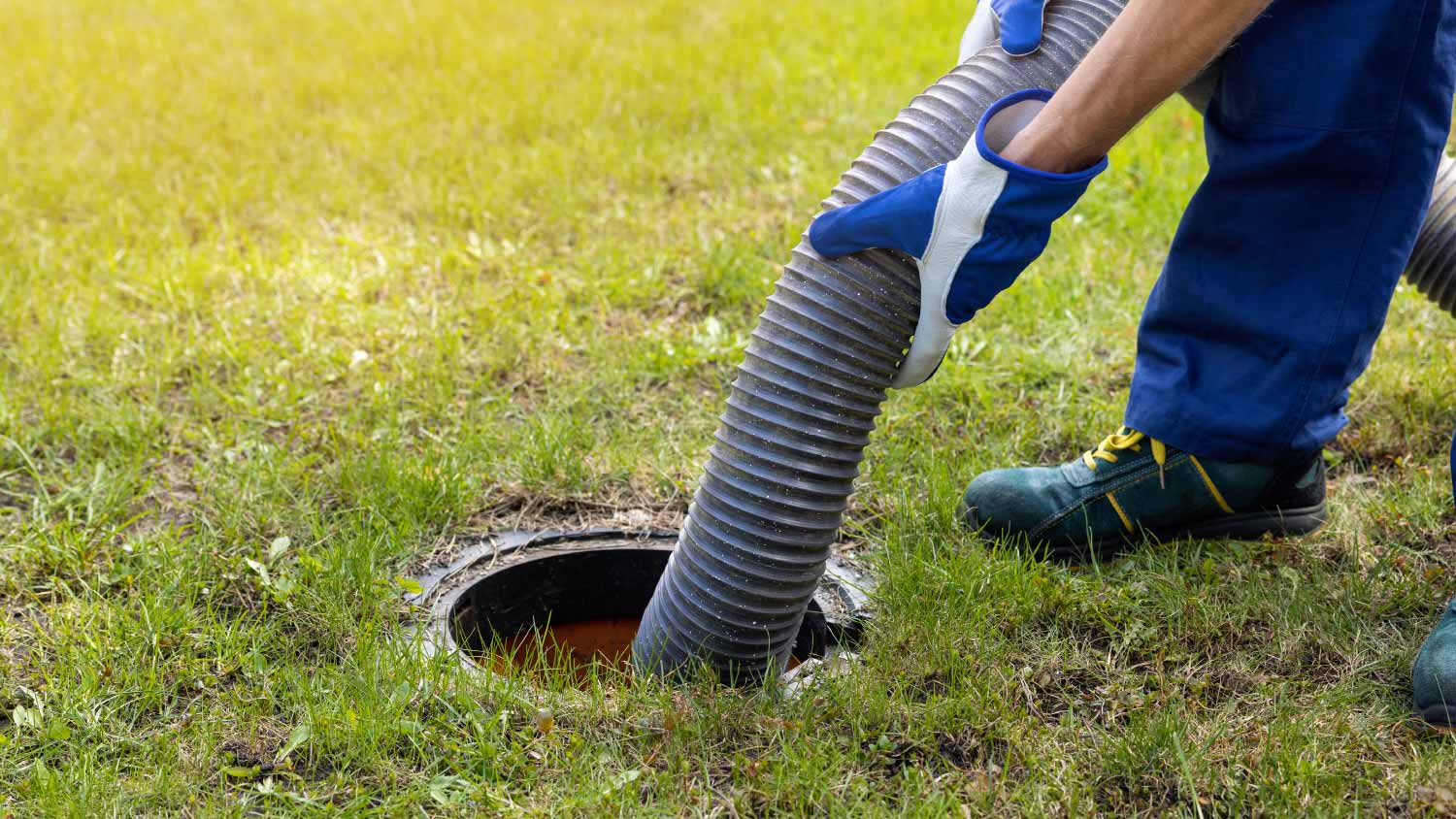
Septic tanks are kept underground, so checking the levels inside can be a challenge. Learn how to check if a septic tank is full with this guide.

Whether you’ve had a septic tank for years or it’s your first one, you need to know how to live with one. This guide covers septic tank maintenance for a long-lasting system.

A full septic tank can cause health issues and costly repairs. Look out for these top seven warning signs your septic tank is full.
It’s crucial to install a septic tank with the right volume to avoid wastewater backups. This guide will help you calculate the right septic tank volume.