



Top-rated septic tank pros.

Get matched with top septic tank pros in Olla, LA

Enter your zip and get matched with up to 5 pros

Need a pro for your septic tank service project in Olla, LA?

Select your specific project to find the pro for you.

Find Septic tank pros in Olla

Avatar for American Home Shield – Home Warranty
American Home Shield – Home Warranty
3.5(
5,688
)
Septic System - Install or ReplaceSeptic System - Install or Replace - For BusinessSeptic System - Repair+3 more

Serving Olla, LA and surrounding areas

In business since 1971

Credit card accepted

"I just pay $75 you never know who's going to come out. They do everything electrical. Just about everything is covered except the septic tank. I had an air conditioner replaced. It went great, all I had to do was pay for the freon. He didn't charge e more than what was needed."
Additional Photos
Additional Photos
Additional Photos
Additional Photos
Additional Photos

+2

Recommended by65%of homeowners
Hero Pumping Services, LLC
New to Angi
Septic Tank - Clean or Pump OutSeptic Tank - Clean or Pump Out - For Business

Serving Olla, LA and surrounding areas

In business since 2022

Free estimates

Offers commercial services

Welcome to Hero Pumping Services, LLC! In business since 2022, we are a full service contracting company who takes great pride in the quality of our work and guarantees customer satisfaction. We service all residential and commercial properties, and no job is too big or too small. Serving Saline and its surrounding areas, be sure to give us a call today!

Response time2 days
Septic Tanks questions, answered by experts

A properly installed and maintained septic drain field (also known as a leach field) can last up to 50 years, though the average is around 20 years. However, factors like poor soil conditions, heavy usage, or improper maintenance can significantly shorten its lifespan to 15-20 years.

To extend the life of your drain field:

  • Schedule Regular Inspections: Have the entire septic system, including the drain field, inspected every two to five years to catch problems early.

  • Protect the Area: Avoid driving heavy vehicles or placing heavy structures over the drain field. Plant only grass or other lightweight vegetation with shallow roots over the area.

  • Maintain the Septic Tank: Proper care of the septic tank, including regular pumping and avoiding harmful chemicals, prevents strain on the drain field.

Be aware of signs of failure, such as strange odors, standing water, or unusually lush grass over the field, which indicate your system may need professional attention.

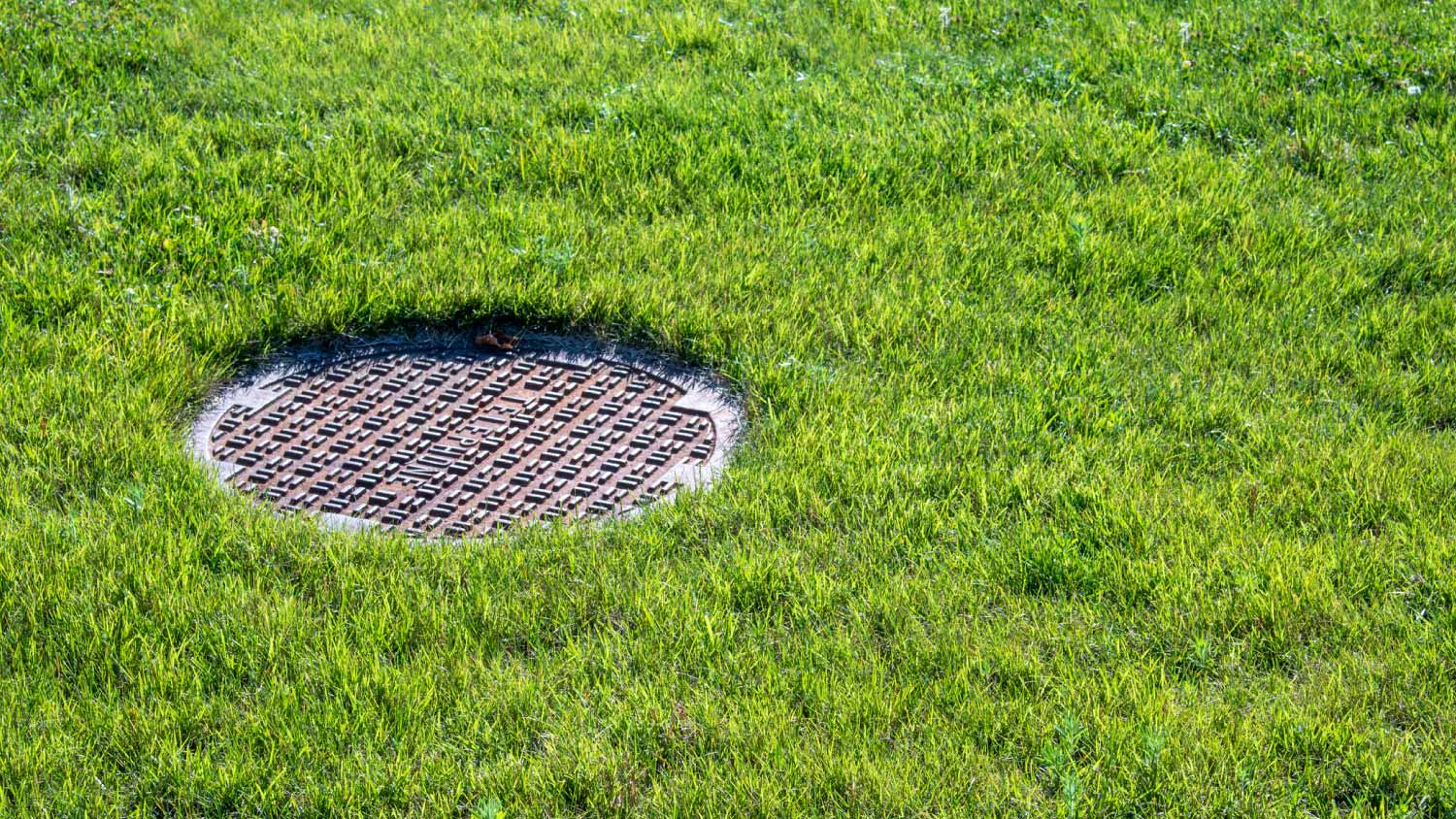
If you aren’t sure if you have a septic tank or a cesspit, you can check your property records or inspect your drainage system. A septic tank has an outlet pipe that allows liquid to drain into a soakaway or drain field, while a cesspit is a sealed tank that requires frequent emptying. If you notice a manhole cover and no nearby drainage field, it’s likely a cesspit. Signs like slow drainage or a frequent need for pumping can also provide clues. A professional inspection is the easiest way to confirm if your home runs on a septic tank or cesspit.

Expect to take at least a day to drill your own well by hand. For a 500-foot well, this could take even longer, depending on the makeup of the soil and the terrain you are drilling through. Other factors include your physical strength and overall fitness level and the weather conditions you’re working in.

Yes, a septic tank riser can replace a concrete septic tank lid. Risers are designed to replace various types of septic tank covers, including concrete, metal, and fiberglass, to provide easier access for pumping and repairs. While a plastic riser makes future access more convenient, the initial replacement can be difficult because concrete lids are very heavy, so it is a job best left to professionals. Once installed, you will need to be cautious around the riser during yard work, such as mowing, to avoid causing damage.

How do you set your well’s pressure tank? All you need to do is first drain the tank of water and find the pressure switch. Remove the switch cover and adjust the switch with a wrench—clockwise to increase water pressure, and counter-clockwise to reduce it. Each complete turn of the nut on the switch should equal 2.5 psi. Once this is done, replace the switch cover. All that’s left is to adjust the pressure of the tank itself using an air compressor and a tire gauge to support the new setting.

The Olla, LA homeowners’ guide to septic tank services

From average costs to expert advice, get all the answers you need to get your job done.