




Top-rated septic tank pros.

Get matched with top septic tank pros in Downsville, LA

Enter your zip and get matched with up to 5 pros

Need a pro for your septic tank service project in Downsville, LA?

Select your specific project to find the pro for you.

Find Septic tank pros in Downsville

Hero Pumping Services, LLC
New to Angi
Septic Tank - Clean or Pump OutSeptic Tank - Clean or Pump Out - For Business

Serving Downsville, LA and surrounding areas

In business since 2022

Free estimates

Offers commercial services

Welcome to Hero Pumping Services, LLC! In business since 2022, we are a full service contracting company who takes great pride in the quality of our work and guarantees customer satisfaction. We service all residential and commercial properties, and no job is too big or too small. Serving Saline and its surrounding areas, be sure to give us a call today!

Response time2 days
Septic Tanks questions, answered by experts

To prevent septic tank problems, save on repair costs, and keep your home running smoothly, it's essential to perform regular maintenance. Have your septic system inspected by a professional every one to three years, or annually if possible, to spot potential issues before they develop. You should also have your tank pumped every three to five years, or more frequently if recommended by a professional based on your household's usage. Additionally, be mindful of what goes into your system. Avoid flushing items like paper towels, wet wipes, and feminine hygiene products. Do not dispose of other inappropriate substances, and try to avoid excessive water usage at a single time.

Cisterns can be used as septic tanks, but septic tanks can’t be used as cisterns. This is because cisterns need to meet FDA standards for drinking water, but septic tanks aren’t required to meet those standards since they are only used for wastewater.

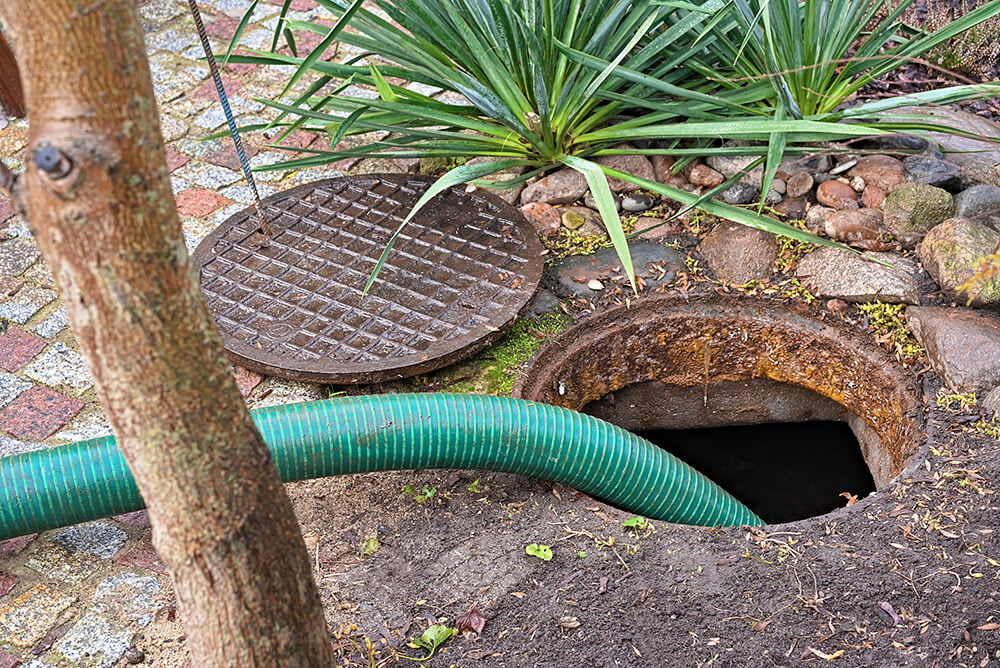
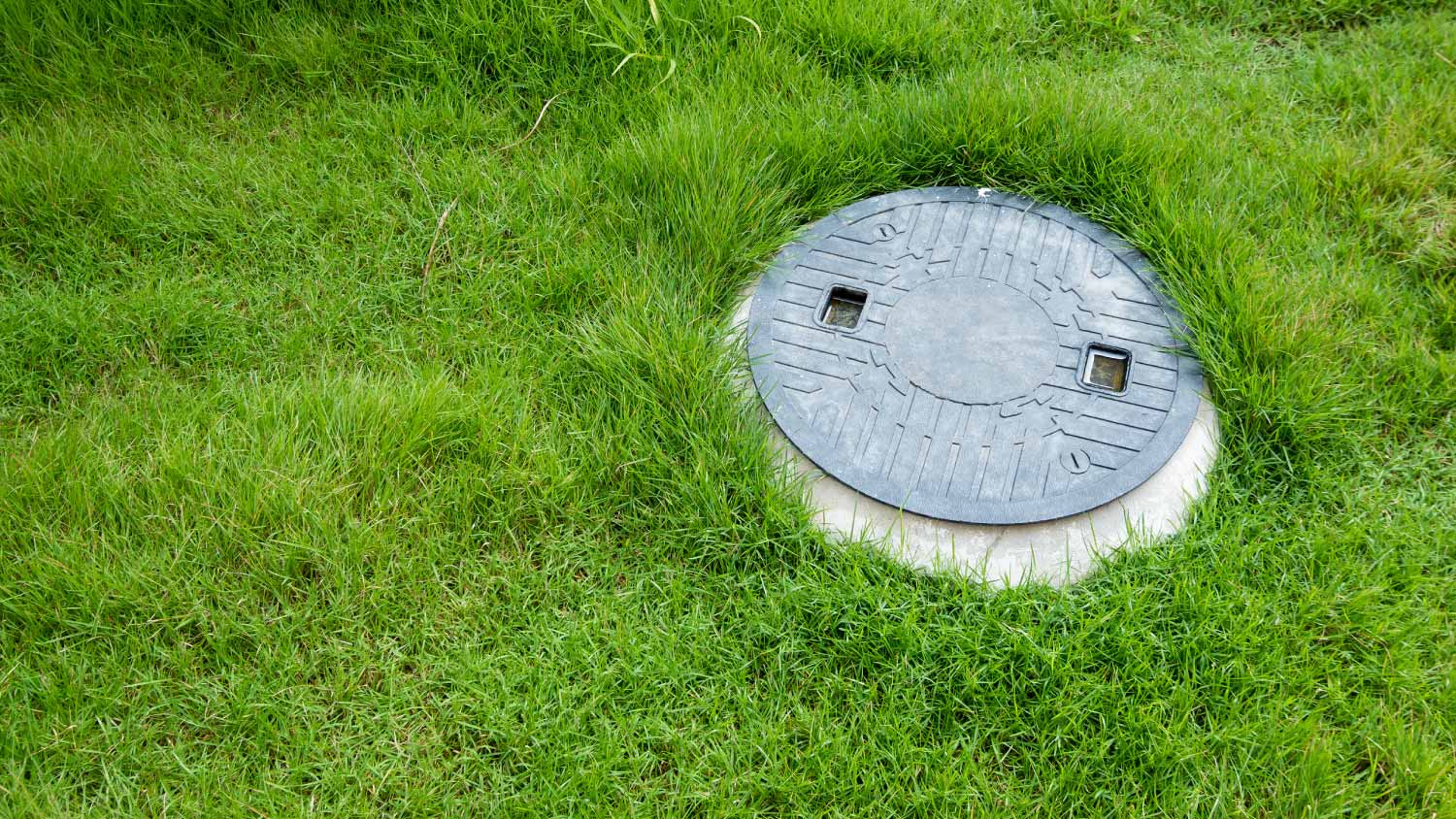
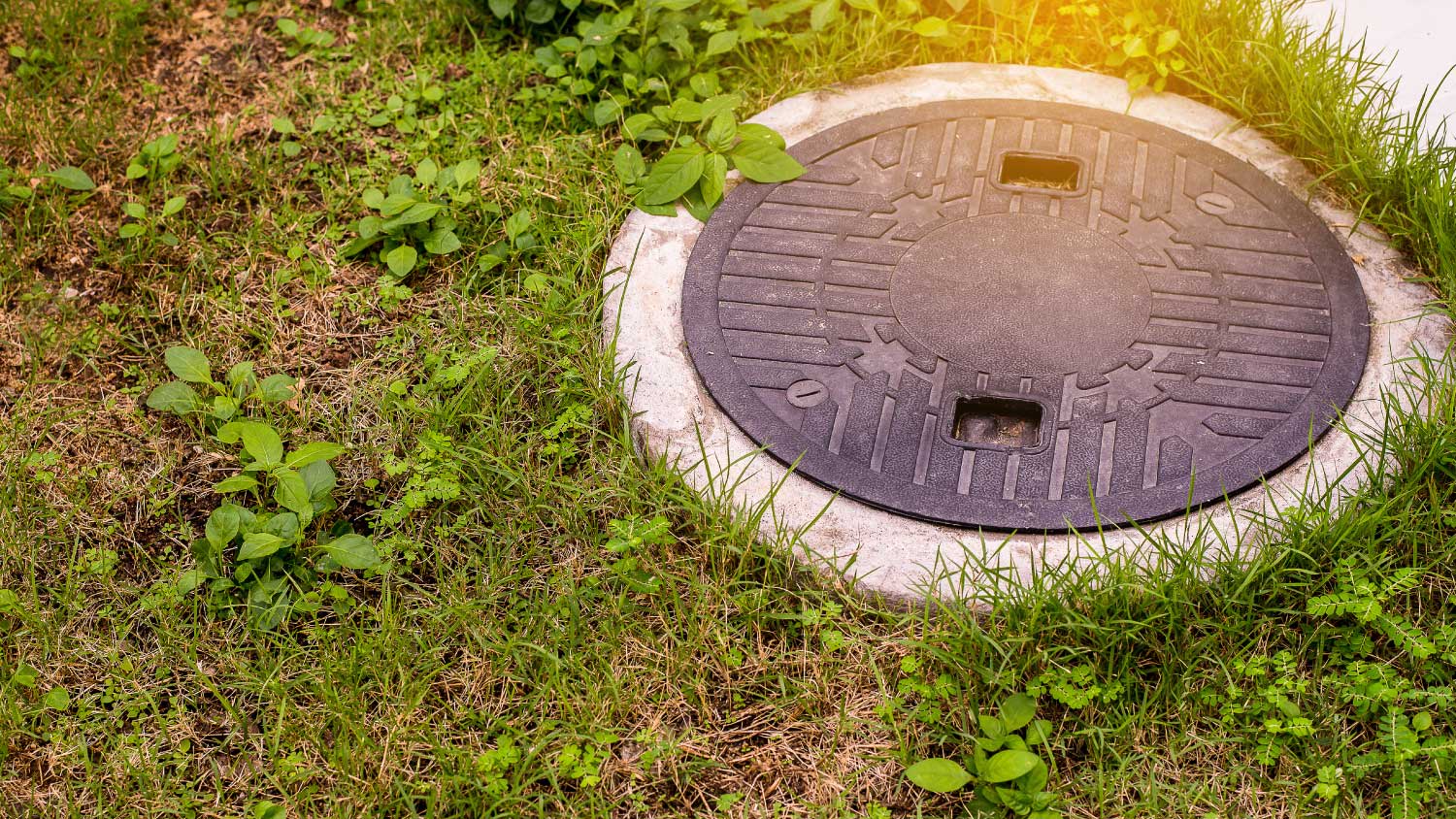
If you aren’t sure if you have a septic tank or a cesspit, you can check your property records or inspect your drainage system. A septic tank has an outlet pipe that allows liquid to drain into a soakaway or drain field, while a cesspit is a sealed tank that requires frequent emptying. If you notice a manhole cover and no nearby drainage field, it’s likely a cesspit. Signs like slow drainage or a frequent need for pumping can also provide clues. A professional inspection is the easiest way to confirm if your home runs on a septic tank or cesspit.

Signs that your well is dry include a decrease in water pressure, strange odors coming from faucets, cloudy, bubbly, or discolored water, and water that’s warmer than normal. Signs that your well pump is bad are similar, but you may also notice higher-than-average electric bills, strange clicking sounds, and faucets that spit or sputter.

How to size a well pressure tank is determined by three factors: flow rate, or how many gallons per minute your well pump produces; minimum runtime; and pressure switch setting. Most pressure tanks have a pressure switch operating at 20/40, 30/50, and 40/60—the first number is the pressure needed for the pump to turn on, and the second number is the pressure needed for the pump to switch off. Most homeowners relying on well water require a water pressure tank ranging from 20 to 80 gallons. 

The Downsville, LA homeowners’ guide to septic tank services

From average costs to expert advice, get all the answers you need to get your job done.