



Top-rated electricians.

Get matched with top electricians in Norwood, OH

Enter your zip and get matched with up to 5 pros

TRUSTED BY NORWOOD, OH HOMEOWNERS

  • Average homeowner rating star icon4.7
    Average homeowner rating
  • Verified reviews icon714
    Verified electrical services reviews

Find Electricians in Norwood

Avatar for Cincy House Remodeling, LLC
Cincy House Remodeling, LLC
5.0(
51
)
Electrical Switches, Outlets & Fixtures - Install or RepairCeiling Fan - Install

Serving Norwood, OH and surrounding areas

Approved

Super Service Award Winner

In business since 2019

Free estimates

Warranties offered

"Ty gave suggestions for my kitchen lighting which was absolutely perfect! He was flexible with my time,neat and clean with my space and all at a great price! I will call him again! Finding a great electrician is a blessing!!!"
New Recessed Lighting Install
Exterior Lights
Interior Recessed Lights
Exterior Lights

+21

Response time4 hrs
34 neighbors recently requested a quote
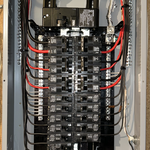
Recommended by63%of homeowners
Avatar for Bowling Power & Electric
Bowling Power & Electric
5.0(
11
)
Electrical Wiring or Panel UpgradeElectric Vehicle Charging Station Installation - Materials Provided by Consumer

Serving Norwood, OH and surrounding areas

Approved

In business since 2025

Free estimates

Emergency services offered

"Bringing my electric service up to code is the best improvement in my home yet. Bowling electrics team showed up on time, did professional work Leaving a safer home for my family, and We will sleep better at night.Knowing that it's was a BOWLING ELECTRIC job . Well done."
Exterior lighting
Exterior lighting
Panel upgrades
Panel upgrades
Panel upgrades

+18

Response time9 hrs
Response rate95%
14 neighbors recently requested a quote
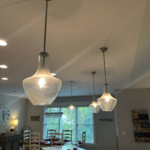
...
Showing 1-10 of 398
Electrical questions, answered by experts

How many string lights can be on one outlet depends on a number of varying factors, including the total wattage of your circuit, the type of lights, the energy needs of the lights, and cord specifications. It’s better to play it safe here to protect your circuit, so figure out the max wattage of your circuit, compare that to the lights, and move on from there. Generally speaking, LED string lights require less energy than incandescent bulbs, translating to a higher number of lights per circuit. 

Yes. Like other trained specialists, electricians need to be licensed in their state of operation, and carry specific kinds of insurance required by that state, which usually includes general liability insurance and surety bonds. When choosing an electrician, always pay attention to these details, and avoid electricians who can’t offer proof. When it comes to wiring, you want experienced, trained pros doing the work.

According to the National Electrical Code (NEC), GFCI outlets should be installed in wet or damp locations where they might be splashed with water or other liquids. This is to protect against ground faults, which are more common around water. Specific areas that require GFCI outlets include kitchens (especially near counters), bathrooms, laundry rooms, basements, garages, and all outdoor receptacles. Depending on local electrical codes, you may need at least one GFCI outlet in these rooms, or every outlet in the area may need to be GFCI protected.

Generators are safe to use as long as they are installed and operated correctly according to the manufacturer's recommendations. The most critical safety tips are to never use a portable or fuel-powered generator inside an enclosed space due to the risk of lethal carbon monoxide poisoning; always operate it outdoors where fumes can dissipate away from your home. Additionally, never attempt to connect a generator to your home’s electrical panel yourself—hire a professional to ensure the setup meets safety standards. Finally, avoid overloading the generator by not connecting more appliances than it is rated for, as this can damage your equipment or cause a fire.

Choosing between 12- or 14-gauge wire for your house depends on the electrical requirements of the circuit. A 12-gauge wire is thicker and can handle more power, making it better suited for devices such as kitchen appliances, air conditioning units, or electric heaters.

A 14-gauge wire is thinner and can handle less electrical current than a 12-gauge wire. It's ideal for circuits with lower power requirements, such as lighting or general-purpose outlets in bedrooms or living rooms.

The Norwood, OH homeowners’ guide to electrical services

From average costs to expert advice, get all the answers you need to get your job done.