
Top-rated arborists.

Get matched with top arborists in Washington, KS

Enter your zip and get matched with up to 5 pros

Need a pro for your arboricultural service project in Washington, KS?

Select your specific project to find the pro for you.

Find Arborists in Washington

Avatar for Wilson Welding
Wilson Welding
New to Angi
Tree RemovalTree Removal - For BusinessTree Stump - Remove+5 more

Serving Washington, KS and surrounding areas

In business since 2017

Free estimates

Emergency services offered

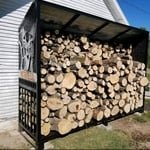
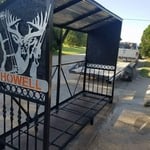
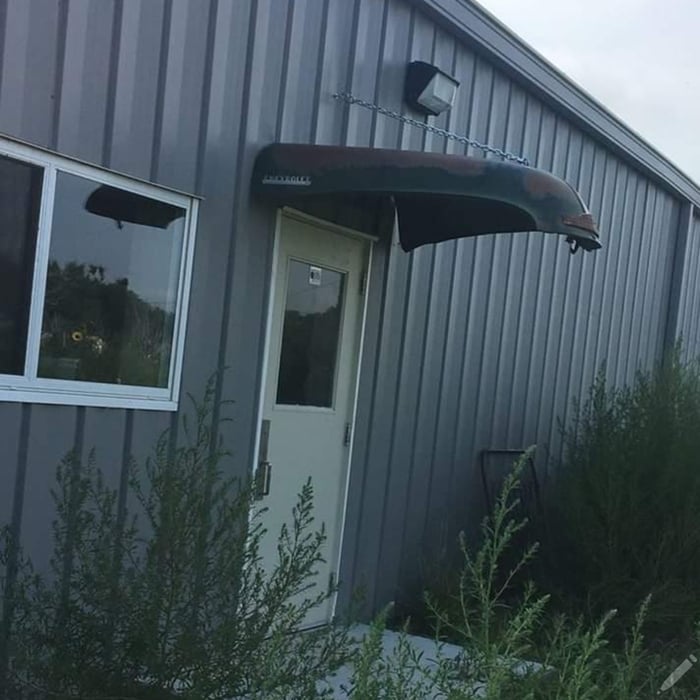
Have over 10 years of welding and custom fabrication experience. I strive to be to be affordable, and to get the job done as quickly and professionally as possible. I'm a perfectionist and my end goal is having the costumer 100% satisfied and happy with the job when I'm done.

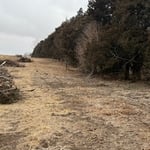
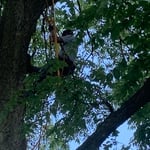
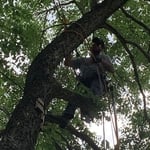
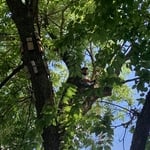
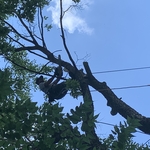
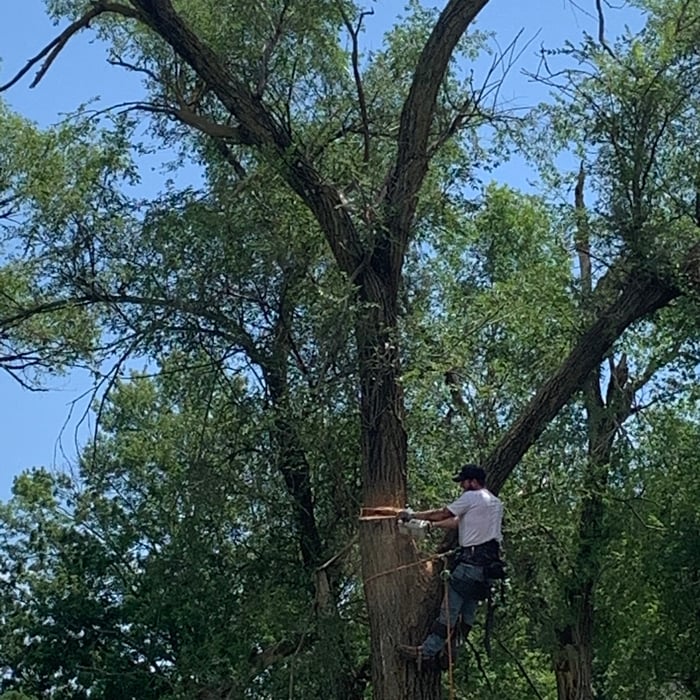
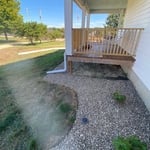
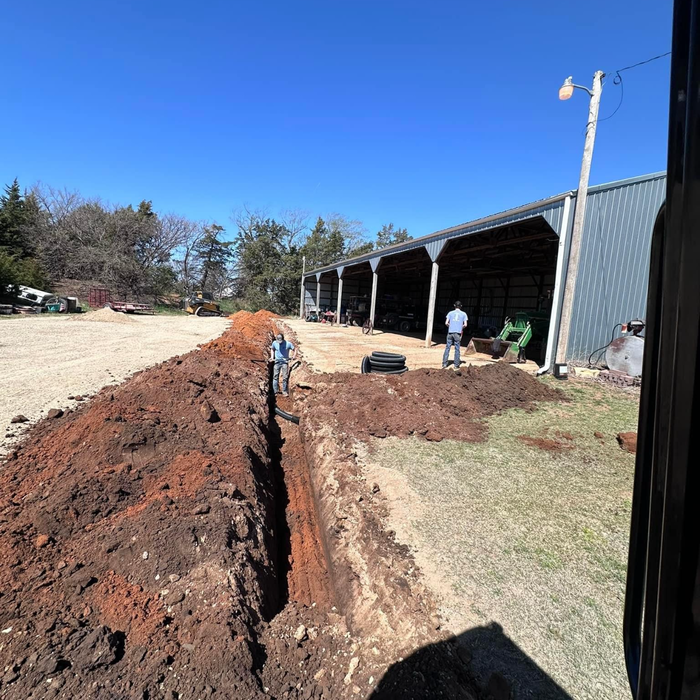
Additional Photos
Additional Photos
Additional Photos
Additional Photos
Additional Photos

+30

Showing 1-10 of 13
Arborists questions, answered by experts

The best time to prune Japanese flowering cherry trees depends on where you live and the type of flowering cherry tree. Some trees benefit from being pruned toward the end of winter or early spring, after the last freeze. Meanwhile, other trees do well after blooming, in late spring or early summer. Avoid pruning your flowering cherry tree in the early winter, as this encourages open wounds that can lead to infections or infestations. 

The ideal time to prune a tree depends on the type of tree. Typically, late winter or early spring is a good time to prune but isn't always the case for "towering trees." It's best to trim when trees are dormant and before blooms appear but can vary depending on the tree type. It's always best to research the type of tree or ask a professional tree trimmer to determine when is the perfect time to prune your tree.

In most cases, leaving tree roots underground is not a problem if the stump has been removed or ground below the soil. However, some larger roots may decompose, leaving dents in your soil. Additionally, some aggressive trees, including willows, oaks, elms, maples, and poplars may grow back from roots. Large aggressive trees with established root systems are more likely to grow back.

Opt for a barefoot tree. Pros harvest barefoot trees when they’re dormant (leafless). They shake the dirt from the root ball and pack it in moist material. 

These trees can cost half as much as the trees at your local nursery, and you can buy them online—so there’s a much wider selection. Just make sure you keep your barefoot tree cool until you’re ready to plant it.

In some states and municipalities, you will need a permit to remove a tree on your property. In many cases where permits are required, a tree must reach a maximum height before a permit is required to remove it. You can either ask your local building department or a tree removal professional if you’ll need a permit. If you do, you can expect to pay between $50 and $150 for the permit alone. Your tree removal company should pull the permit for you and include the permit fee in your total.

The Washington, KS homeowners’ guide to arboricultural services

From average costs to expert advice, get all the answers you need to get your job done.