Top-rated landscapers.

Get matched with top landscapers in Washington, KS

Enter your zip and get matched with up to 5 pros

Need a pro for your landscaping project in Washington, KS?

Select your specific project to find the pro for you.

Find Landscapers in Washington

2nd Chance Lawn Care
4.9(
6
)
Lawn Care - Maintain and Mow a Lawn

Serving Washington, KS and surrounding areas

In business since 2018

Free estimates

Credit card accepted

2nd Chance Lawn Care, has a single mission, which is to achieve complete customer satisfaction! We strongly believe in giving our customers the most for their money. We work with only the highest quality materials and experienced professionals. With over 20 years of experience, we have consistently focused on the needs of our customers, providing personalized attention and a stress free experience. This approach has set us apart from our competition and keep our customers coming back! Give us a call today!

Mowing
Response time2 days
Recommended by100%of homeowners
Avatar for Vantage Point Exteriors
Vantage Point Exteriors
3.8(
122
)
Lawn & Yard Waste Clean Up

Serving Washington, KS and surrounding areas

In business since 2012

Free estimates

Emergency services offered

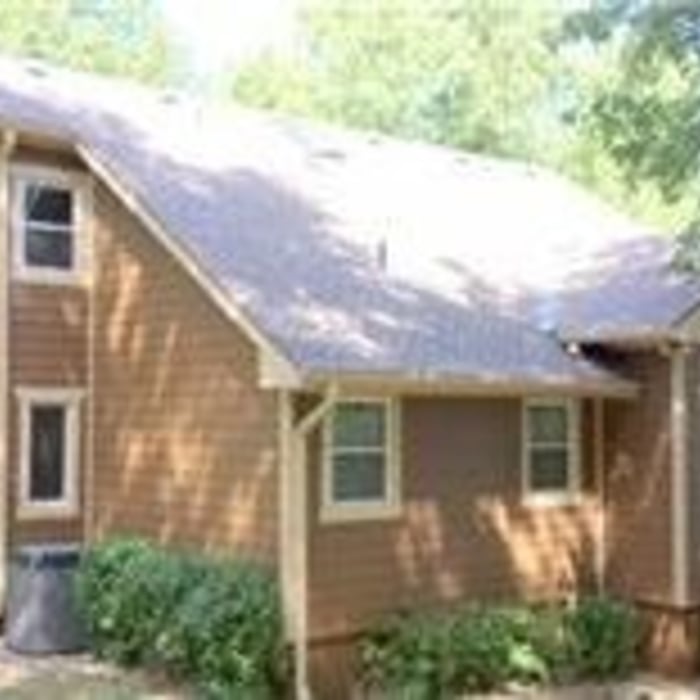
"The siding product is the best quality.   The work was done with professionalism and close attention to detail.   The team doing the work was professional and friendly.  Everyone we worked with cared about getting the work done right.   Our questions were promptly answered and we would recommend the product, James Hardie fiber cement siding and Vantage Point Exteriors."
Additional Photos
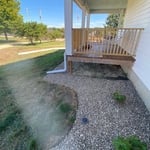
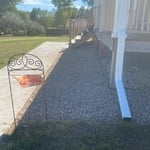
Before Vantage Point got the call
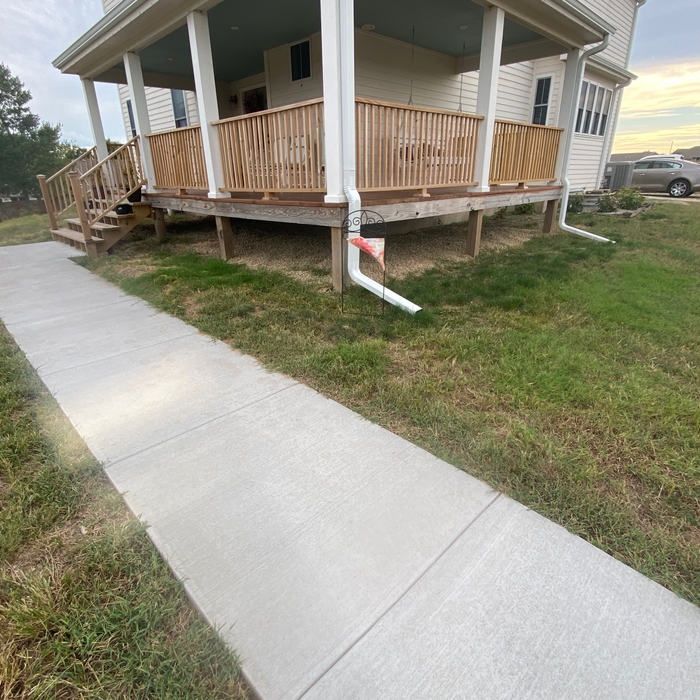
Another happy homeowner!
Before Vantage Point got the call.
Another happy homeowner!

+38

Recommended by73%of homeowners
Showing 1-10 of 29
Landscaping questions, answered by experts

The best type of rock for landscaping depends on your specific project and needs, as different rocks are suited for different applications. For covering large areas or creating an affordable driveway, consider gravel, but note that it can wash away in flowing water. For water features, river rocks are a good option. Flagstone and cobblestone are ideal for aesthetically pleasing patios and walkways. If you are building a stone wall, fieldstone or small boulders are up to the task. Large boulders and landscape rocks work well as statement pieces, to fill empty space, or to indicate boundaries, but be mindful that they can overwhelm smaller gardens. The best approach is to first define your landscaping project and then select the rock type that best fits that purpose.

There are several reasons your grass may be dying that could be in or out of your control. The most common issues include poor drainage, under/overwatering, poor soil pH, low soil nutrients, low sunlight, or too much foot traffic.

The average cost for landscaping is around $3,500, but prices can range from as low as $200 for simple DIY projects to $14,000 or more for extensive work. Several factors influence the final price, including your geographic location, yard size, project scope, chosen materials, site preparation, and the type of landscaping involved. Professional landscaper labor costs typically range from $50 to $100 per hour.

For a smaller budget, you can focus on softscaping projects like adding mulch, flowers, and shrubs, which might only cost a few hundred dollars if you do the work yourself. A budget of around $5,000 could cover projects like a simple patio, new plants and tree trimming, or a water feature. More extensive hardscaping projects, such as pergolas, patios, and walkways, can push the budget to $14,000 or more. For example, a flower bed installation averages between $800 and $3,000, while landscape lighting installation can cost from $2,000 to $6,000.
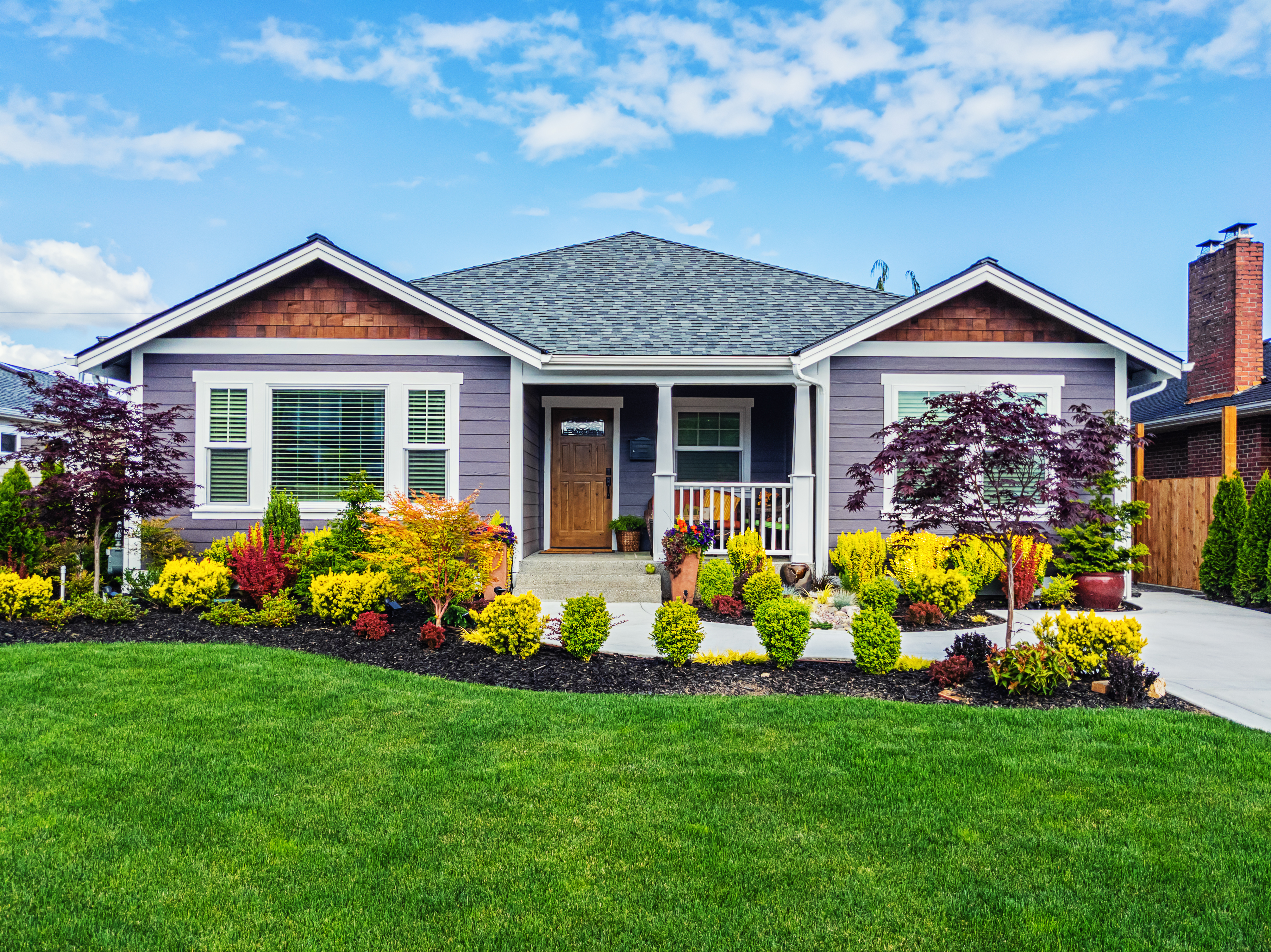
If you want to take your tree-planting hobby beyond your outdoor space, here are a few great ways to do it:

  • Encourage your neighbors to participate in the Arbor Day Foundation’s Tree City USA program, which has a four-step framework that helps communities grow and maintain their own tree cover.
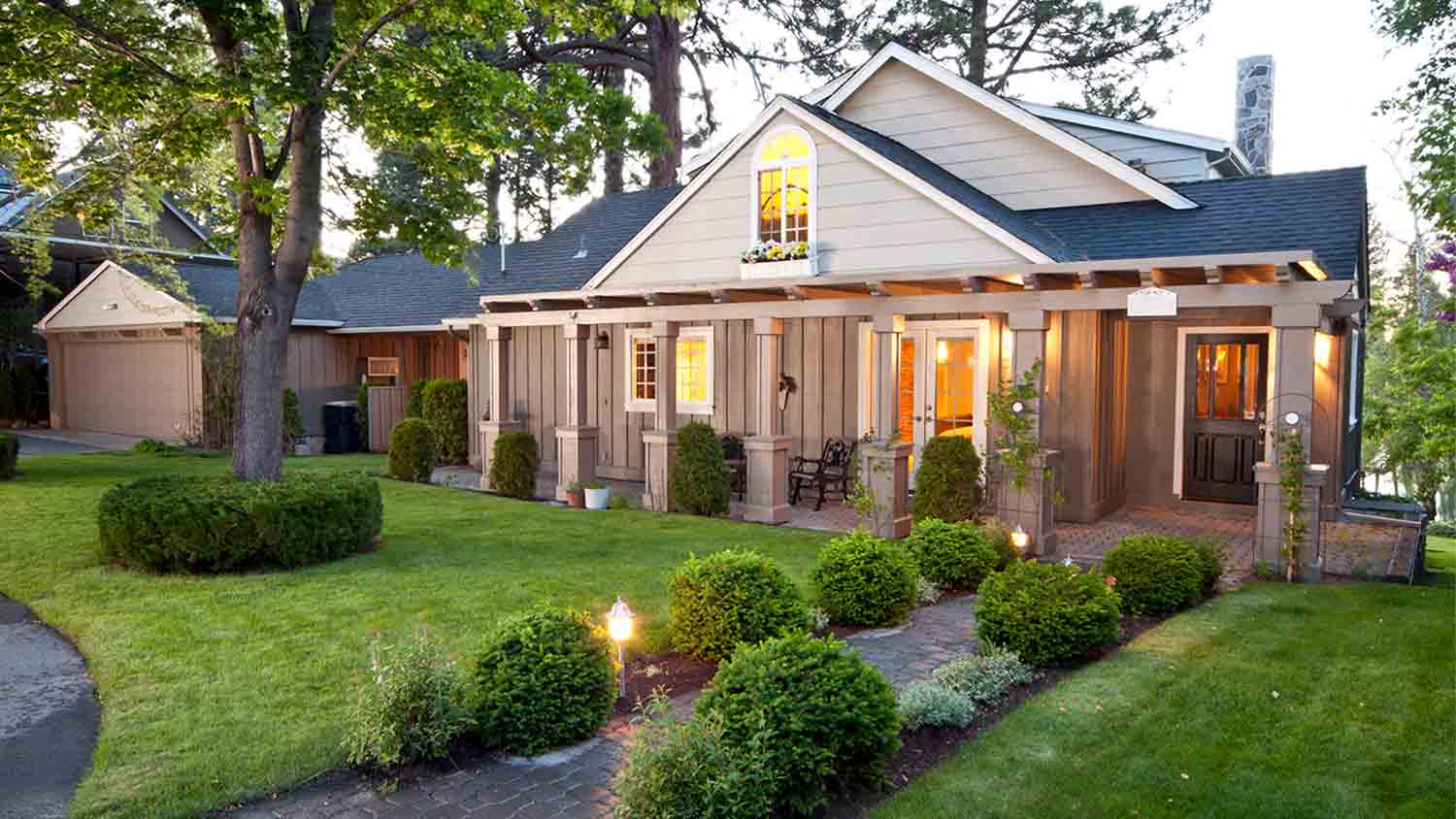
  • Support businesses that plant trees. 

  • Lobby your local government to plant more trees around your community.

  • Donate to a tree-planting charity.

There are two main times of year to apply mulch: mid to late spring and late fall. Spreading mulch in mid to late spring helps protect new seedlings as the soil warms up. It's best to wait until temperatures are steady, as mulching too early in the spring can slow down the soil's warming process and hinder plant growth. Fall mulching is also beneficial, as it insulates the soil and helps regulate its temperature when the first frosts arrive.

The Washington, KS homeowners’ guide to landscaping services

From average costs to expert advice, get all the answers you need to get your job done.