




Top-rated excavation pros.

Get matched with top excavation pros in Metamora, IN

Enter your zip and get matched with up to 5 pros

Need a pro for your excavation project in Metamora, IN?

Select your specific project to find the pro for you.

TRUSTED BY METAMORA, IN HOMEOWNERS

  • Average homeowner rating star icon5
    Average homeowner rating
  • Verified reviews icon21
    Verified excavation services reviews

Find Excavation pros in Metamora

Avatar for WSC Drainage
WSC Drainage
4.9(
5
)
Landscape - Minor Grading or Resloping

Serving Metamora, IN and surrounding areas

Approved

In business since 2020

Free estimates

Credit card accepted

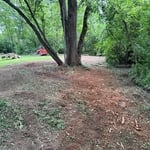
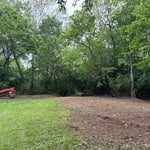
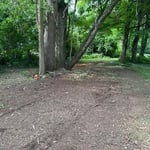
"Very happy with the work to be done. Completed job as promised and on schedule. Area was cleaned up and lawn was reseeded and covered with straw.,"
Drainage
Drainage
Drainage
Drainage
Drainage

+6

Response time2 days
6 neighbors recently requested a quote
Recommended by75%of homeowners

Avatar for Kenneth Dietz
Kenneth Dietz
New to Angi
Landscape - Minor Grading or Resloping

Serving Metamora, IN and surrounding areas

Approved

Credit card accepted

Offers commercial services

Hi, my name is Riley. I’m 22 years old and working hard to build my path as a general contractor. I take pride in honest work, reliability, and doing every job the right way. My goal is to provide quality craftsmanship people can trust while continuing to grow my business through hard work and dedication.

Accent Wall
Accent Wall
Accent Wall
2 neighbors recently requested a quote
...
Showing 1-10 of 96
Excavating questions, answered by experts

A trench that is less than 5 feet deep often doesn't require a protective system. Most residential trenches will not go this deep (the typical residential drainage trench is just 18 inches deep). In the event that an excavator needs to dig more than 5 feet beneath the surface, a protective system is required unless the excavation is in entirely stable rock.

Hard soil could be a sign of overly dry dirt, either from poor drainage or drought. It's important to test the nutrient levels, density, and drainage capacity of your soil to see if it's absorbing water properly. Begin by adding a light layer of water and observing how long the soil retains moisture. If you experience a good deal of runoff, you may need to aerate your lawn, apply a wetting agent, or hire a professional for a closer look.

Yes, you can install a trench drain if you already have concrete in your yard or garden. While it can complicate some aspects of the job and slightly run up the cost, it is doable. Residential trench drains can be easily retrofitted to outdoor areas with concrete without having to remove excessive amounts of your patio, pool area, or decorative walkways.

In most areas, you will need a permit for excavation work, even for projects that only involve grading or yard leveling. Permit requirements depend on your local government and the scope of the project, but they are especially common for significant digging or work that could affect utilities or public property. These permits help protect the local topography and prevent drainage issues. An experienced excavation company will typically know whether permits are needed and can often handle the process of pulling and closing them for you. You can also verify permit requirements by contacting your local building department and describing your project.

Trenching and boring are two distinct methods for installing underground utilities. Trenching involves digging a channel using equipment like an excavator, trencher, backhoe, or shovel. While it is a simpler process, it causes significant disruption to the surface, landscaping, and surrounding ecosystems.

Boring, also known as directional boring, is a less invasive alternative that uses a drill to create a tunnel for utility lines without disturbing the surface. This method is more precise and is ideal for installations that need to go underneath buildings, roads, or bodies of water. Although boring is less disruptive, it is generally more expensive than trenching.

The Metamora, IN homeowners’ guide to excavation services

From average costs to expert advice, get all the answers you need to get your job done.