

Top-rated excavation pros.

Get matched with top excavation pros in Batesville, IN

Enter your zip and get matched with up to 5 pros

Need a pro for your excavation project in Batesville, IN?

Select your specific project to find the pro for you.

TRUSTED BY BATESVILLE, IN HOMEOWNERS

  • Average homeowner rating star icon4.9
    Average homeowner rating
  • Verified reviews icon18
    Verified excavation services reviews

Find Excavation pros in Batesville

Avatar for AJM AG LLC
AJM AG LLC
4.7(
10
)
Building Site - Preparation and ClearingLandscape - Minor Grading or ReslopingExcavation - Major Grading or Resloping+2 more

Serving Batesville, IN and surrounding areas

Approved

In business since 2023

Free estimates

Small jobs welcome

"Expectations have been exceeded. Austin is excellent with his equipment able to navigate around difficult situations. Pull the tree down between spaces, pulled a building down without damaging the garage roofs were nearly touching. Excellent work great pricing!"
Cool mornings
Clean for now
Sleepy time
9 neighbors recently requested a quote
Avatar for WSC Drainage
WSC Drainage
4.9(
5
)
Landscape - Minor Grading or Resloping

Serving Batesville, IN and surrounding areas

Approved

In business since 2020

Free estimates

Credit card accepted

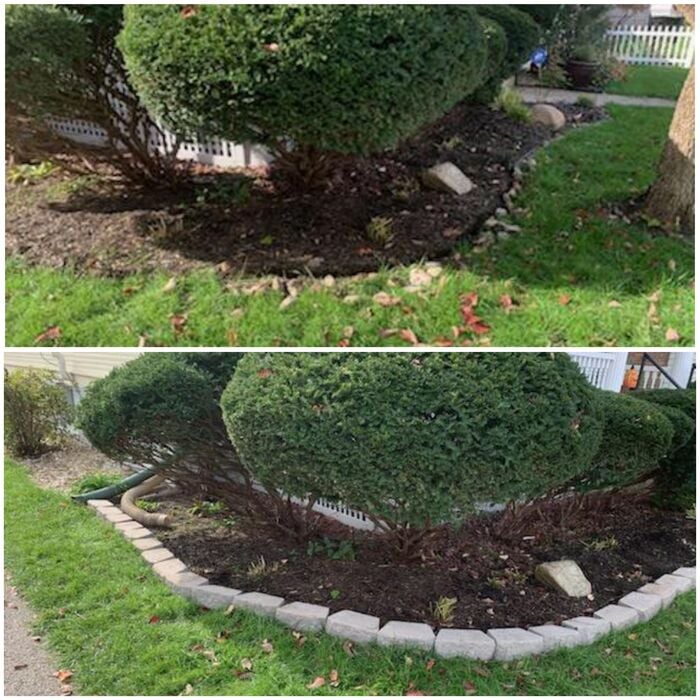
"Very happy with the work to be done. Completed job as promised and on schedule. Area was cleaned up and lawn was reseeded and covered with straw.,"
Drainage
Drainage
Drainage
Drainage
Drainage

+6

Response time2 days
5 neighbors recently requested a quote
Recommended by75%of homeowners
...
Showing 1-10 of 102
Excavating questions, answered by experts

Whether you grind or dig up and remove your tree stump depends on your landscaping goals. Using a stump grinder leaves the root system in place for it to decompose over time, whereas digging up the tree stump removes the roots and the stump. Overall, stump grinding is a far simpler process since you won’t need to deal with the roots. Stump removal will make your yard look like a demolition site, but you’ll have an easier time replanting in the same place as your former tree.

Water lines are buried at various depths, depending on the type of line. For example, most sprinkler lines are buried between four and 12 inches underground. On the other hand, water mains usually sit between one and 3 feet below ground. However, they can go even deeper in cold climates to prevent freezing.

Consultation with the local government helps identify necessary permits, avoid project delays or legal issues, and protect project integrity.

Depth is not a qualifying component of evacuation. Any human-made cut, cavity, or depression in the earth’s surface is considered excavation. The hole from excavation can be any size, shape, or depth. Excavation is used to create foundations, reservoirs, drainage ditches, and roads. Long, narrow excavations are called trenches and are often used for underground utilities.

Septic drain lines (or leach lines) are typically buried between 18 and 36 inches underground, and should be at least 6 inches below the surface. These pipes are perforated and surrounded by filtering materials like sand or gravel. Burying the lines at this depth helps minimize odors and allows bacteria and other biological processes in the soil to effectively treat the wastewater. Burying lines too close to the surface can cause issues unless the soil is very compact and stable.

The Batesville, IN homeowners’ guide to excavation services

From average costs to expert advice, get all the answers you need to get your job done.