






Top-rated excavation pros.

Get matched with top excavation pros in Miamitown, OH

Enter your zip and get matched with up to 5 pros

Need a pro for your excavation project in Miamitown, OH?

Select your specific project to find the pro for you.

TRUSTED BY MIAMITOWN, OH HOMEOWNERS

  • Average homeowner rating star icon4.5
    Average homeowner rating
  • Verified reviews icon33
    Verified excavation services reviews

Find Excavation pros in Miamitown

Avatar for G2 Homescapes LLC
G2 Homescapes LLC
4.8(
26
)
Landscape - Minor Grading or Resloping

Serving Miamitown, OH and surrounding areas

Approved

In business since 2021

Free estimates

Warranties offered

"They removed a weed infested ground cover that was beyond manageable. Put down a double weed block later, installed river rock and plantings. They removed and replaced a retaining wall that was aging with beautiful stone blocks. They removed weeds and dead plants behind our house and landscaped it for easy maintenance. The workmen we're on time, worked hard and completed the job in the time promised. All workers were polite and courteous."
Allen Block Retaining Wall
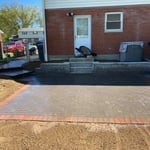
Patio and Retaining Wall
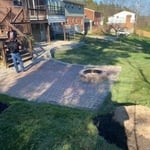
Patio, Fire pit, Retaining Wall
Response time1 day
Response rate95%
Recommended by83%of homeowners

...
Showing 1-10 of 188
Excavating questions, answered by experts

There is no standard depth for burying a septic tank; they are typically buried anywhere from 4 inches to 4 feet underground. The final depth depends on several factors, including the depth of your main sewer line, the height of the bedrock, soil type, local regulations, and the property's landscape. If you plan to grow grass or plants over the tank, a depth of at least 4 to 6 inches is recommended. Deeper tanks can be more difficult to locate, but a septic professional can help find it for you.

Sewer lines can be buried anywhere from 18 inches to 8 feet deep, with a common average depth between 18 and 30 inches. The exact depth depends on local factors like climate and soil type. In colder regions, pipes must be buried deeper (below the frost line) to prevent freezing, sometimes as deep as 8 feet. The digging depth can also impact the cost of sewer line replacement. To find the specific depth for your property, you can check the building plans for your system, which should be on file with your city or local sanitation department since permits are required for installation.

The best method for digging a trench depends on the scope of the project. For a short, shallow trench (less than 2 feet deep) in light, soft soil, digging by hand may be sufficient. However, digging by hand is labor-intensive, so consider the effort required. A machine trencher is the better option for longer trenches (over 100 feet), deeper ones, or when dealing with difficult soil conditions, such as rocky or hard ground, or obstructions like tree roots. A machine can save significant time and energy in these situations.

Most professional excavation teams will charge between $8 and $15 per cubic yard. Calculate the cost by finding the volume of your pool—width x length x depth—and dividing it by 27. Then, multiply the price by the cubic yards from your equation. Budget for complications like a rocky lawn, hard-to-access pool area, or high local labor prices.

A crawl space can be as little as 42 inches below the grade of your house, but this is not always recommended in flood-prone areas. At a minimum, there must be at least 16 inches of clearance between the ground and the floor joists to access the space in an emergency.

The Miamitown, OH homeowners’ guide to excavation services

From average costs to expert advice, get all the answers you need to get your job done.