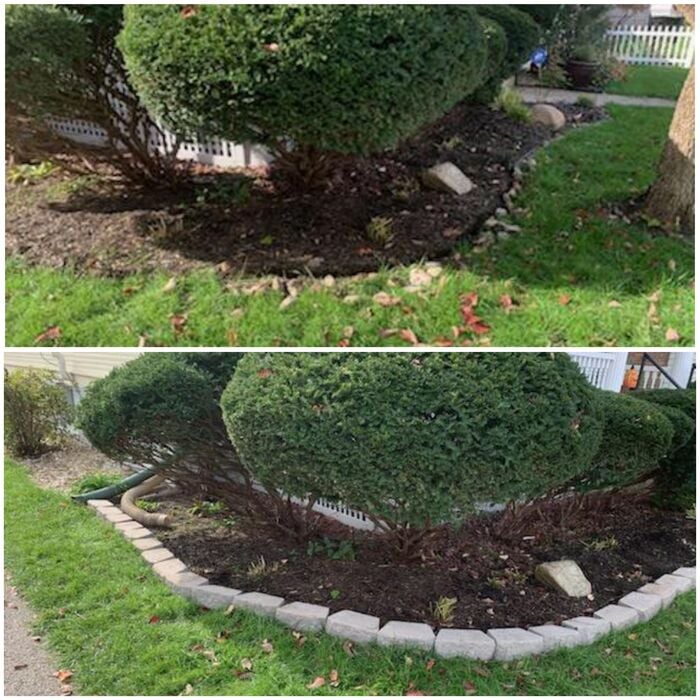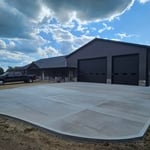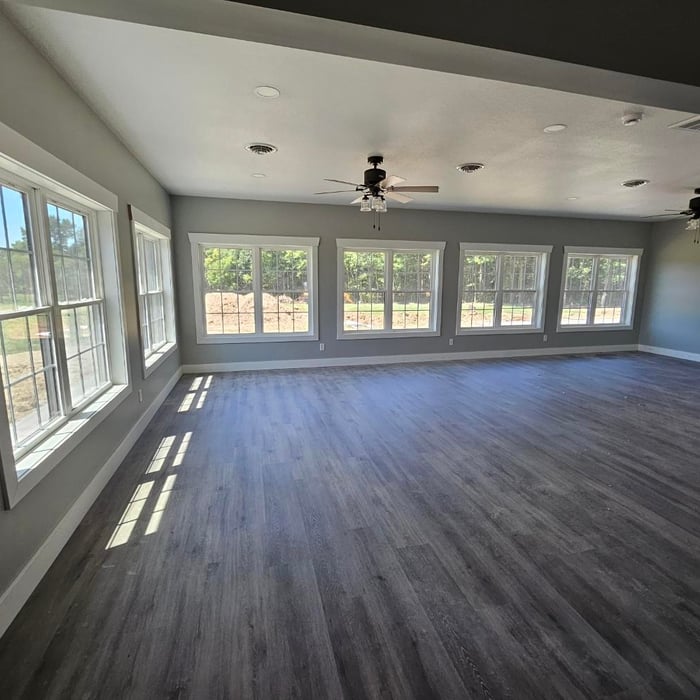




Top-rated excavation pros.

Get matched with top excavation pros in Osgood, IN

Enter your zip and get matched with up to 5 pros

Need a pro for your excavation project in Osgood, IN?

Select your specific project to find the pro for you.

TRUSTED BY OSGOOD, IN HOMEOWNERS

  • Average homeowner rating star icon4.8
    Average homeowner rating
  • Verified reviews icon12
    Verified excavation services reviews

Find Excavation pros in Osgood

Avatar for Burton’s Junk Removal And Hauling
Burton’s Junk Removal And Hauling
4.9(
14
)
Landscape - Minor Grading or Resloping

Serving Osgood, IN and surrounding areas

Approved

Super Service Award Winner

In business since 2023

Free estimates

Small jobs welcome

"I had two guys come out to help with junk removal, and they did an awesome job! They arrived right on time, worked quickly, and were super professional the entire time. They handled everything carefully and made sure the area was completely clean before they left. It was such a smooth and stress-free experience. I’d definitely recommend them to anyone who needs fast, reliable junk removal service."
Roofing
Hauling junk
Hauling junk
Tear up job
Junk haul away

+6

Response time10 hrs
Response rate97%
2 neighbors recently requested a quote
...
Showing 1-10 of 90
Excavating questions, answered by experts

Slab foundations are more affordable than crawl spaces because they require minimal excavation, as the slab sits directly on the ground or on footers that only sink a few feet into the ground. Crawl spaces require excavation of the entire footprint of the home to several feet below the surface. Not only does that mean higher labor costs, but more materials are necessary for the concrete foundation walls.

As a general rule, the protected area should be about 1½ times as wide as the canopy of the tree’s leaves. This digging measurement can vary by tree species and the age of the tree. Of course, that can be a lot of fencing for larger trees, which is why our first step is about making difficult decisions on which trees to save.

The digging depth will depend on the size of the trencher you use. Even smaller units can dig up to 4 feet deep, which is plenty for a DIY job. However, much larger trenchers can reach a depth of 18 feet and are better used by a team of pro contractors, not a single DIYer. As with all home improvement projects, use the right tool for the job and proceed with caution.

It takes one hour to dig a 10-foot trench by hand. Use a trenching shovel with a sharp tip and a long head. Plan for more time if your soil is heavy or rocky. Consider renting a trencher if you’re digging a long or deep trench or if you have challenging soil or terrain. 

Trenching and boring are two distinct methods for installing underground utilities. Trenching involves digging a channel using equipment like an excavator, trencher, backhoe, or shovel. While it is a simpler process, it causes significant disruption to the surface, landscaping, and surrounding ecosystems.

Boring, also known as directional boring, is a less invasive alternative that uses a drill to create a tunnel for utility lines without disturbing the surface. This method is more precise and is ideal for installations that need to go underneath buildings, roads, or bodies of water. Although boring is less disruptive, it is generally more expensive than trenching.

The Osgood, IN homeowners’ guide to excavation services

From average costs to expert advice, get all the answers you need to get your job done.