




Maynor Construction, LLC
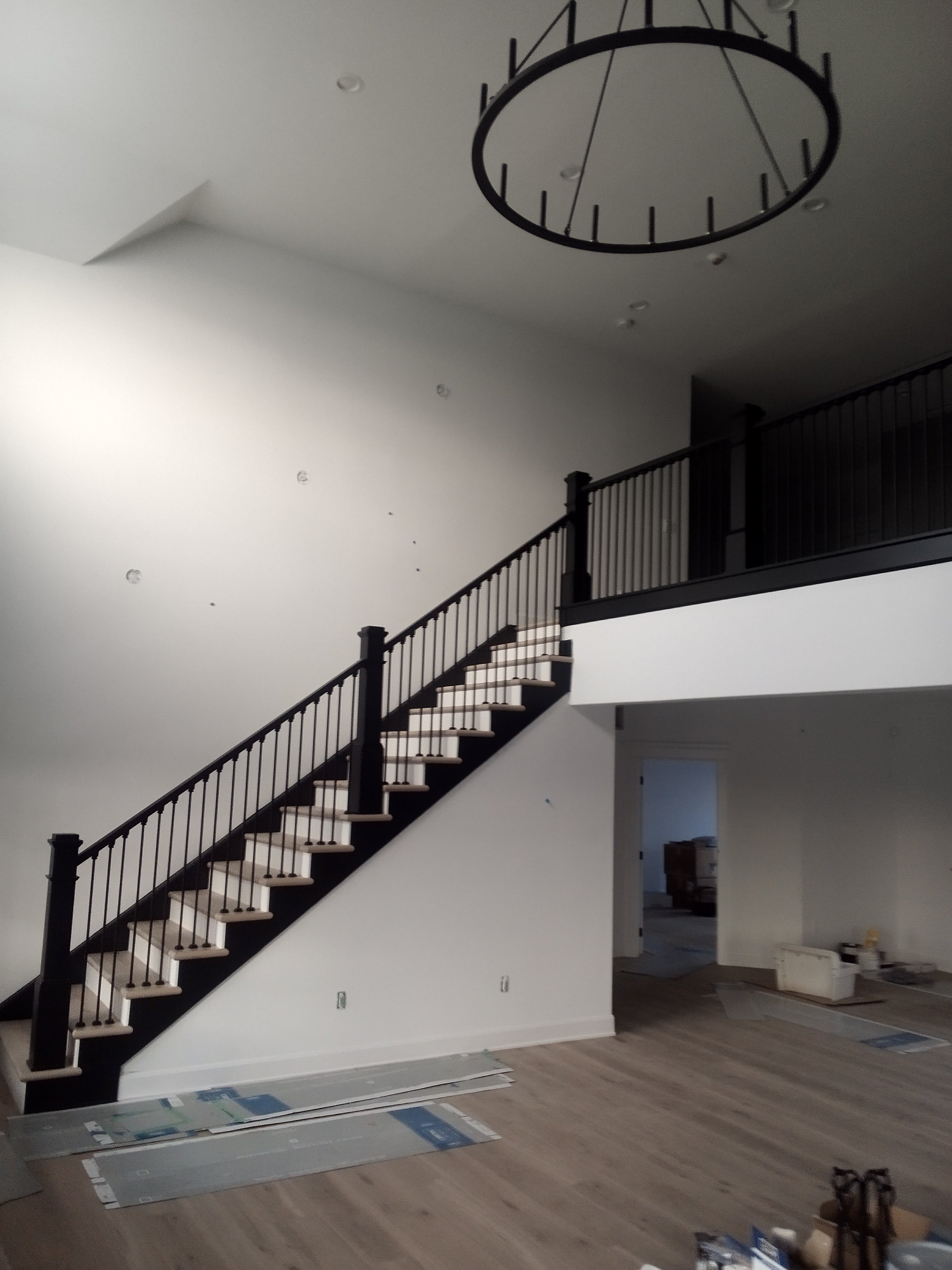
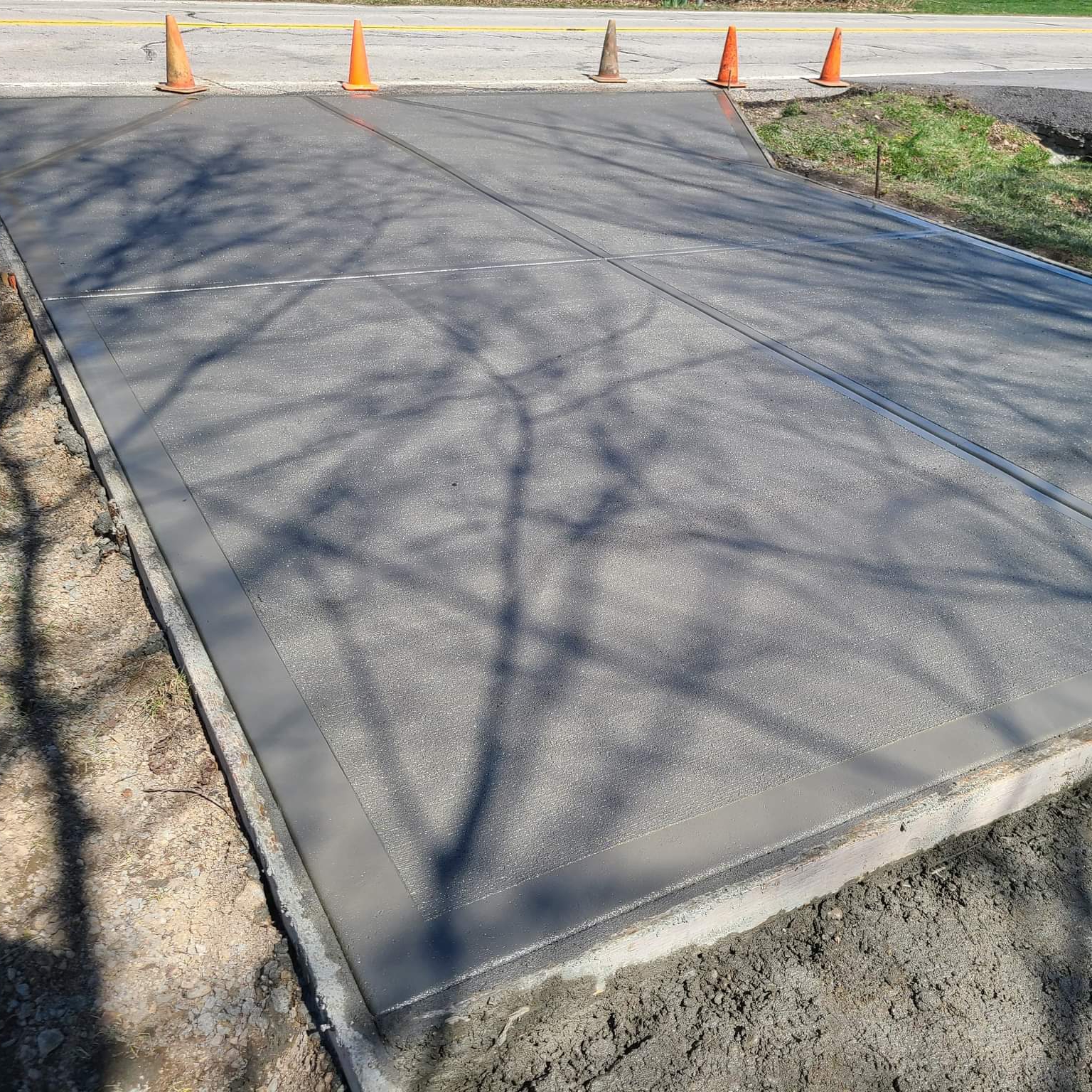
Building Site - Preparation and ClearingExcavation - Major Grading or Resloping
Serving Milroy, IN and surrounding areas
Approved
In business since 1995
Free estimates
Emergency services offered
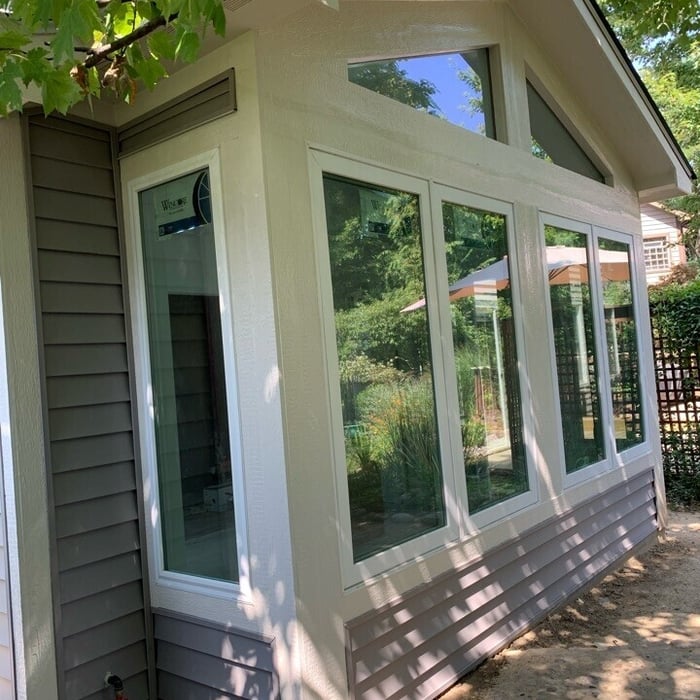
"I rarely, if ever give 5 star reviews. But, I DO recommend Maynor Construction (MC)! But, 5 = perfection, and nothing is perfect : ) I hired MC for cement siding and sunroom addition project, beginning in June of 22, ending Sep, 22. I will review the Good, the Bad, and the Ugly. But, this doesn't cover everything, because Home Advisor only allows so many characters. Finally, this was my first (major) home improvement project and likely the largest investment I will ever make in my home. The Good - Maynor (owner) is a very knowledgeable and a skilled builder, with many years of experience. I appreciated that he was actually on site many days, not only supervising, but also working along side his team. - The administrative staff was magnificent. Responsive, knowledgeable, friendly, and available. Having the right people in the front office can make or break a business. Hire the right people to manage the office and it will pay dividends toward the success of your company...in my humble opinion. - I had fiber cement siding installed on my home, and a sunroom that replaced an old, broken-down outdoor breezeway. This was no easy project and teams of highly-skilled workers were at my home daily, typically from before 8am until nearly sundown - and even partially on Saturdays. We were blessed with very little rain through the 3 months, which accelerated the work. Maynor's team worked very hard, moved efficiently, and maintained a great level of skill throughout the process. The Bad - For the most part, none of my utilities were affected all that much. Utility boxes were moved away at the beginning, were moved back at the end, and worked just fine. I also had a lot of electrical added and moved throughout the project, but alterations and small inconveniences were to be expected. However, there was a problem when it came to Maynor's (unintended) disruption of my ATT Fiber. While there was no cutting of that fiber, the siding was installed over the fiber and it shut down my internet. Maynor's workers claimed innocence, but it was clearly something for which they were likely responsible. The fiber cable box was moved back into place, and when I got home the internet wasn't working any longer. This required ATT to come out and reinstall the fiber cable and box that came into my house from the outside. - Kitchen flooring fix. I have a very small special strip of (tiled) kitchen flooring that had to be removed during the remodel because I wanted a small portion of a wall removed. Years ago, this strip was created with very cool, colored, (intentionally) broken glass tiles. But, sadly those tiles are no longer available. Happily, I found some of the original kitchen tile that Maynor could break-up into pieces and install into the strip. I approved a change order for Maynor to fill-in that strip of flooring, which required some pretty major cutting of the floor and sub floor. However, they cut the floor crooked and at an unpleasing angle. And, while it is not terrible, it is very noticeable to me and I wish Maynor had done a better to cut the area straighter. I can live with it, but someday I will need to replace the entire kitchen floor to maintain the professional look. The Ugly - While I live in a populated area, with restaurants, a gas station, hotels, etc... workers, laboring in extremely hot summer conditions, even with lots of shade, require lots of hydration. Those fluids need to go somewhere! Unfortunately, there were at least two instances (likely more), I personally witnessed workers finding their own ways to relieve themselves - not inside my home, nor at the gas station just next door. I complained to Maynor and they promptly brought in, at their expense, a Porta Potty, which would remain for the duration of the project. But, I had to ask them to include and only after I discovered what was happening on my property. Ove..."



+41
Response time2 days
13 neighbors recently requested a quote
Recommended by96%of homeowners