




Top-rated excavation pros.

Get matched with top excavation pros in College Corner, OH

Enter your zip and get matched with up to 5 pros

Need a pro for your excavation project in College Corner, OH?

Select your specific project to find the pro for you.

TRUSTED BY COLLEGE CORNER, OH HOMEOWNERS

  • Average homeowner rating star icon4.3
    Average homeowner rating
  • Verified reviews icon12
    Verified excavation services reviews

Find Excavation pros in College Corner

Avatar for Cameron
Cameron
New to Angi
Building Site - Preparation and Clearing

Serving College Corner, OH and surrounding areas

Approved

Free estimates

Small jobs welcome

Offers commercial services
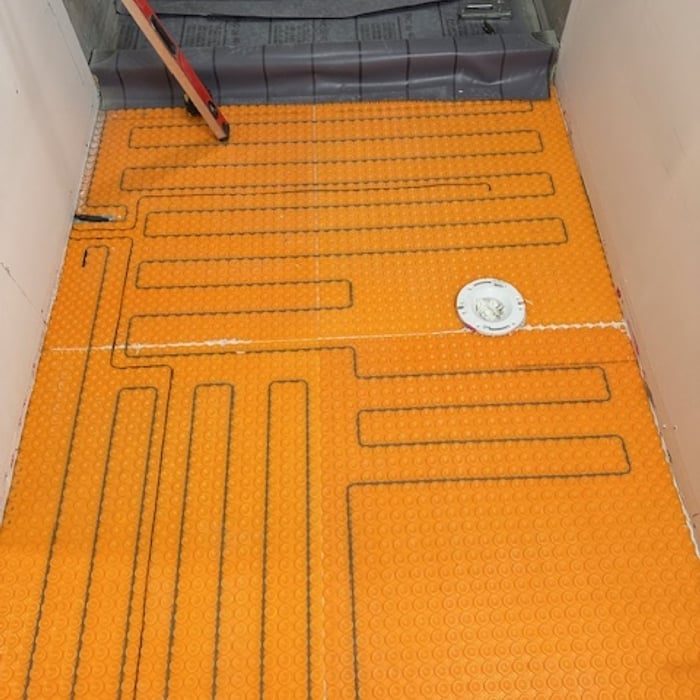
I’ve been in construction for 12 years. Plenty of knowledge when it comes to excavating or grading. Went to school for heavy equipment operations. I’ll get the job done right the first time. And always at a fair price.

Brush/debris removal

+1

8 neighbors recently requested a quote

...
Showing 1-10 of 122
Excavating questions, answered by experts

Hardscaping often requires preparation of the ground in the area where the feature is being installed. This can include digging, compacting, and leveling the soil, ensuring adequate drainage, and removing any existing plants. The extent of preparation needed will depend on the type and size of the hardscaping feature being installed.

Trenches are typically 12 to 24 inches deep and 8 inches wide. However, the required depth depends on the specific project and local ordinances. For example, a French drain may need to be 18 inches deep, while a water pipe might require a depth of 24 inches and a drainage pipe 36 inches. Your city or county may have specific regulations, so it's wise to consult with an excavation professional to determine the correct depth for your project.

Drilled wells have a pipe sticking up that’s covered in a plastic or metal casing. On the other hand, a dug well will look like a big hole in the ground and is more similar to what you’d see in a fantasy or Western movie. If you want to be sure, contact the city for documentation on your property’s construction and excavation history. 

Trenching and boring are two distinct methods for installing underground utilities. Trenching involves digging a channel using equipment like an excavator, trencher, backhoe, or shovel. While it is a simpler process, it causes significant disruption to the surface, landscaping, and surrounding ecosystems.

Boring, also known as directional boring, is a less invasive alternative that uses a drill to create a tunnel for utility lines without disturbing the surface. This method is more precise and is ideal for installations that need to go underneath buildings, roads, or bodies of water. Although boring is less disruptive, it is generally more expensive than trenching.

To locate an underground downspout, you should start by identifying where the above ground gutter drains. Look for an entry point, such as a pipe or elbow leading into the ground. Follow the surface path for signs like depressions, landscaping disruptions, or wet areas after rain. You can use a metal detector or plumber’s snake to trace the pipe underground. For deeper pipes, a professional locator tool or camera inspection may be necessary. Visual markers or utility maps can also guide the search.

The College Corner, OH homeowners’ guide to excavation services

From average costs to expert advice, get all the answers you need to get your job done.