Top-rated drywall pros.

Best drywall pros near Arcadia, IN

Enter your zip and get matched with up to 5 pros

Need a pro for your drywall service project in Arcadia, IN?

Select your specific project to find the pro for you.

TRUSTED BY ARCADIA, IN HOMEOWNERS

  • Average homeowner rating star icon4.6
    Average homeowner rating
  • Verified reviews icon365
    Verified drywall services reviews

Top-Rated Drywall pros in Arcadia - Updated Nov 2026

Avatar for Stevens Drywall LLC
Stevens Drywall LLC
4.8(
168
)
Drywall - InstallDrywall - Install - For BusinessDrywall - Repair+1 more

Serving Arcadia, IN and surrounding areas

Approved

In business since 2001

Free estimates

Warranties offered

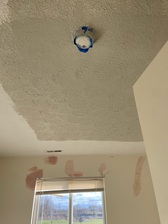
"Extremely happy with the drywall repair! Stevens Drywall LLC contacted me only after a few hours of submitting a request for a drywall repair. I was able to receive a quote that day and have the repair scheduled for the following week. I have a stamped ceiling, and you would never know that I had the ceiling repaired! The repair was quick and the contractor arrived on time."
Response time2 days
Recommended by95%of homeowners
Avatar for The Patch Boys of Northeast Indianapolis
The Patch Boys of Northeast Indianapolis
4.6(
58
)
Drywall - RepairDrywall - Repair - For Business

Serving Arcadia, IN and surrounding areas

Approved

In business since 2025

Free estimates

Warranties offered

"Eric did an excellent job repairing drywall that was damaged on our staircase landing. He was quick, efficient and thorough! Very happy with the job and definitely recommend Eric and The Patch Boys!"
Michael & Philana, owners
Response time6 hrs
Response rate100%
1 neighbors recently requested a quote
...
Showing 1-10 of 322
Drywall FAQs, answered by experts

If your home was built before the 1940s and was not remodeled in the past 50 or so years, you probably have plaster walls. Aside from assuming, there are some practical ways to tell if you have plaster walls, including the following: If you knock on the wall and it feels solid, not hollow, if you can’t insert a thumbtack easily, if there are cracks that look like spiderwebs, or if your home has curved, arched, or swirled walls, doorways, or window openings.

If you have an unfinished basement or attic, you could examine the backs of any finished walls to check, too.

Although they have similar applications, spackle and joint compound are not the same. Their primary differences lie in their composition, consistency, and ideal use cases.

Spackle is composed of gypsum and binding agents, making it thicker than joint compound. It dries quickly and is easy to sand, which makes it ideal for small wall repair projects like filling nail holes or patching minor damage.

Joint compound, also known as drywall mud, consists of limestone and gypsum. It is primarily used for large-scale projects, such as taping and finishing the seams on newly installed drywall. It tends to shrink more than spackle and can be more difficult to spread.

While both products can be used to fill small depressions and cracks, spackle cannot replace joint compound for taping and mudding new drywall. Conversely, you can often use joint compound for small patching jobs typically done with spackle.

Both plaster and drywall are durable wall finishes, but they differ significantly in installation, cost, performance, and aesthetics.

Installation & Cost: Drywall installation is faster and more affordable, typically costing $1.50 to $3 per square foot. It uses premade sheets, making it a more accessible DIY project. Plastering is a labor-intensive craft that requires specialized skills, pushing costs to $2 to $10 per square foot. It involves applying a wet paste over a lath framework.

Durability & Performance: Plaster is generally more durable, longer-lasting, and provides superior soundproofing. It is also a better insulator, which can help reduce energy costs. Drywall is easier to remove for future renovations.

Aesthetics: Drywall provides a smooth, uniform surface ready for paint or texture. Plaster offers a high-end, naturally textured look that can hide imperfections and is often preferred for achieving a classic or historic aesthetic.

Which is better? The choice depends on your priorities. Drywall is ideal for those prioritizing a lower upfront cost, faster installation, and DIY potential. Plaster is the better option for a higher-end project where durability, soundproofing, and a unique, premium finish are more important than the initial cost.
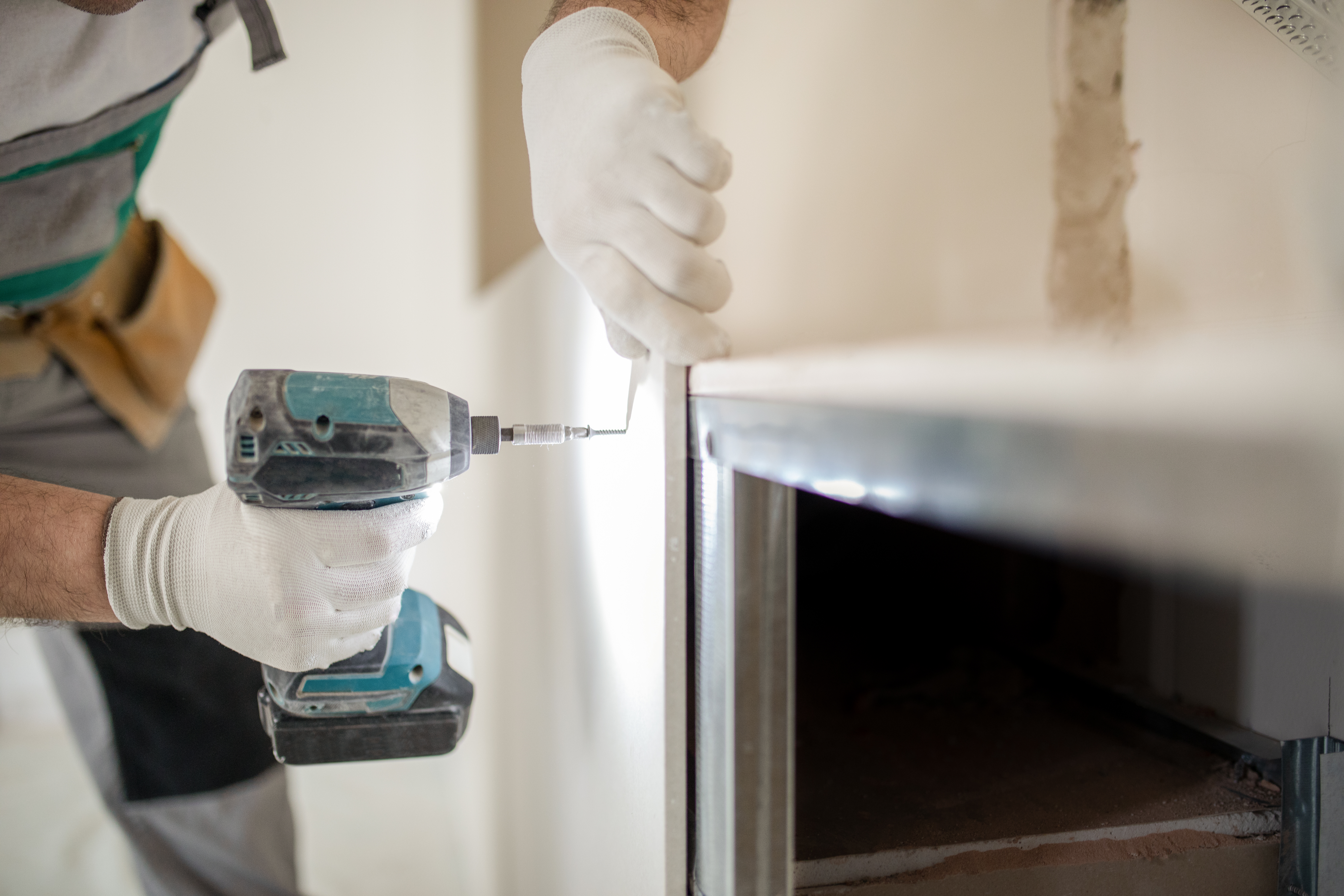
Whether it’s better to screw or glue drywall depends on your specific budget and project timeline. Professional drywall installers are more likely to use screws and fasteners than adhesives, but it takes longer. But if you are DIYing your drywall installation, glue is a perfectly fine choice if you’re willing to pay extra for adhesive.

The two most common drywall thicknesses for ceilings are 1/2-inch and 5/8-inch. For most standard residential applications, 1/2-inch drywall is sufficient and widely used. It provides adequate support and is lighter and easier to handle during installation compared to thicker sheets. However, 5/8-inch drywall is often used for specific cases where additional benefits are needed. It is heavier but provides superior sound dampening and fire resistance. You should consider using 5/8-inch drywall for ceilings in commercial buildings, between a garage and a living space, or above a finished basement to meet building codes or for enhanced soundproofing.

The Arcadia, IN homeowners’ guide to drywall services

From average costs to expert advice, get all the answers you need to get your job done.