

Top-rated drywall pros.

Best drywall pros near Kokomo, IN

Enter your zip and get matched with up to 5 pros

Need a pro for your drywall service project in Kokomo, IN?

Select your specific project to find the pro for you.

TRUSTED BY KOKOMO, IN HOMEOWNERS

  • Average homeowner rating star icon4.3
    Average homeowner rating
  • Verified reviews icon29
    Verified drywall services reviews

Top-Rated Drywall pros in Kokomo - Updated Nov 2026

Quality First Construction LLC
New to Angi
Drywall - InstallDrywall - RepairDrywall - Repair - For Business

Serving Kokomo, IN and surrounding areas

Approved

Just like the name suggests, quality always comes first. With 10 years of both residential and commercial carpentry, there is a wide range of projects that we have experience in. We highly value customer/contractor relations, and aim to leave our clients pleased with a job well done in a timely manner.

2 neighbors recently requested a quote
JMD Home Services LLC
New to Angi
Drywall - InstallDrywall - Repair

Serving Kokomo, IN and surrounding areas

Approved

Free estimates

Small jobs welcome

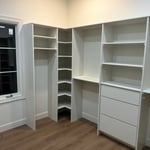
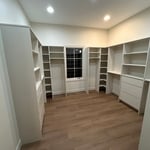
Hi there! I have about 9 years of experience with home remodeling, house flips, and currently I am focused more on carpentry (custom closets, interior/exterior trim, etc.) and flooring. I am still open to most home repair needs. I am new to Angi, but feel free to check out some photos of my work in the project photos. I am also willing to share more photos. Feel free to email me at [email protected] or call/text at 3179032308. Thanks!

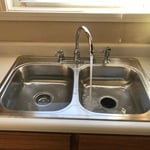
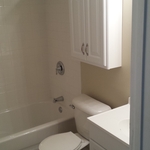
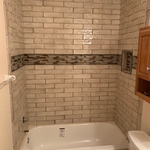
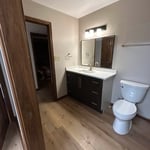
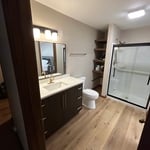
Full Bathroom Remodel
Custom closet
Custom closet
...
Showing 1-10 of 151
Drywall FAQs, answered by experts

The amount of drywall you need for a 1,000-square-foot basement depends on the ceiling height, angles, number of doors and windows, and more. To find the wall square footage, multiply the width and height of each wall, minus any gaps from windows or doors, and add the totals together. You’ll also need enough drywood nails or screws to install the drywall correctly.

There is no way to cut drywall without making dust, but you can reduce the amount of dust and especially the dangerous airborne particles by using manual cutting tools. Using a utility knife to score and snap your drywall will minimize dust production, and a jab saw for cutting cutouts for boxes and fixtures will generate almost no airborne dust. Even if you use these methods, you should still wear a respirator and safety goggles to avoid damage to your lungs and eyes.

All plaster walls will crack over time due to normal house settling and expansion and contraction from temperature and moisture changes. Small, thin hairline cracks are generally not serious and are mostly a cosmetic issue. However, larger or more significant cracks can indicate structural problems.

Here's how to tell the difference:

  • Cosmetic Cracks: Cracks that are 0.5 cm (0.2 inches) or thinner are typically cosmetic.

  • Structural Cracks: Cracks wider than 0.5 cm, excessive or deep cracks, multiple cracks in the same area, or cracks that span around corners can signify a structural or foundation issue. Cracks along the joints where walls meet the ceiling also warrant attention.

For cracks wider than 0.5 cm, structural repair is needed. If a crack is 2.5 cm (1 inch) or wider, or if you notice any signs of a structural problem, it is best to contact a plaster repair professional to assess the damage.

Yes, you can use drywall repair techniques for some types of plaster damage. Tiny holes and small cracks in plaster can be patched in similar ways to drywall. You apply the necessary compound to fill the hole, wait for it to dry, then sand it down. For larger damage, like water damage or mold, you need to use plaster-specific techniques and materials.

Yes, you can install drywall over plaster, but there are important factors to consider. While it can create a smooth, flat surface, it is often not the best approach. Installing drywall over plaster will increase the wall's thickness, which can cause issues with existing window and door frames that may no longer fit. You might also need to adjust power outlets to keep them accessible. A better, though more expensive, option is to remove the old plaster and lath entirely before installing new drywall. Drywalling directly over plaster seals in the old material, and if any problems arise later, you will need to remove both layers down to the structural beams for repairs. Given the potential complications, this job is best handled by professionals.

The Kokomo, IN homeowners’ guide to drywall services

From average costs to expert advice, get all the answers you need to get your job done.