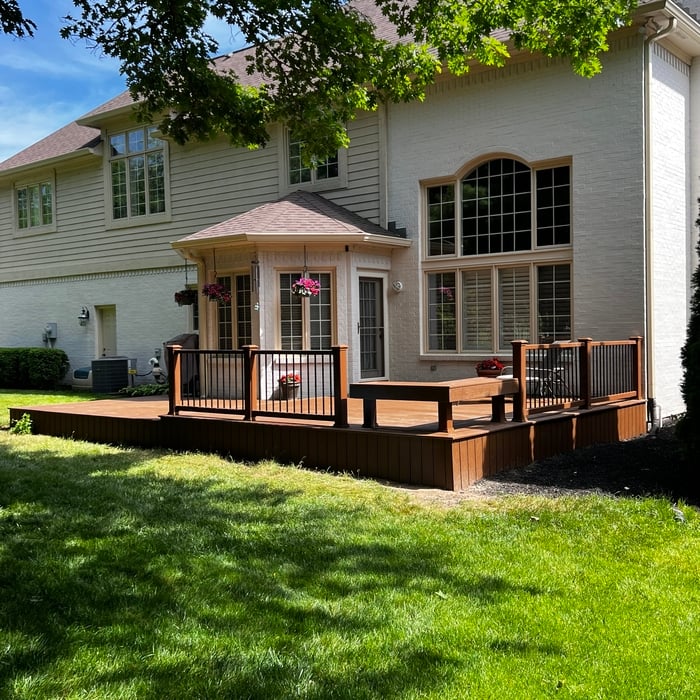


Top-rated drywall pros.

Best drywall pros near Sheridan, IN

Enter your zip and get matched with up to 5 pros

Need a pro for your drywall service project in Sheridan, IN?

Select your specific project to find the pro for you.

TRUSTED BY SHERIDAN, IN HOMEOWNERS

  • Average homeowner rating star icon4.6
    Average homeowner rating
  • Verified reviews icon991
    Verified drywall services reviews

Top-Rated Drywall pros in Sheridan - Updated Nov 2026

Avatar for ABC Drywall and Painting Service
ABC Drywall and Painting Service
4.8(
64
)
Drywall - InstallDrywall - Install - For BusinessDrywall - Repair+1 more

Serving Sheridan, IN and surrounding areas

Approved

In business since 1999

Free estimates

Emergency services offered

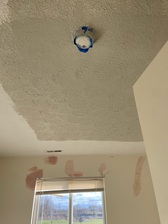
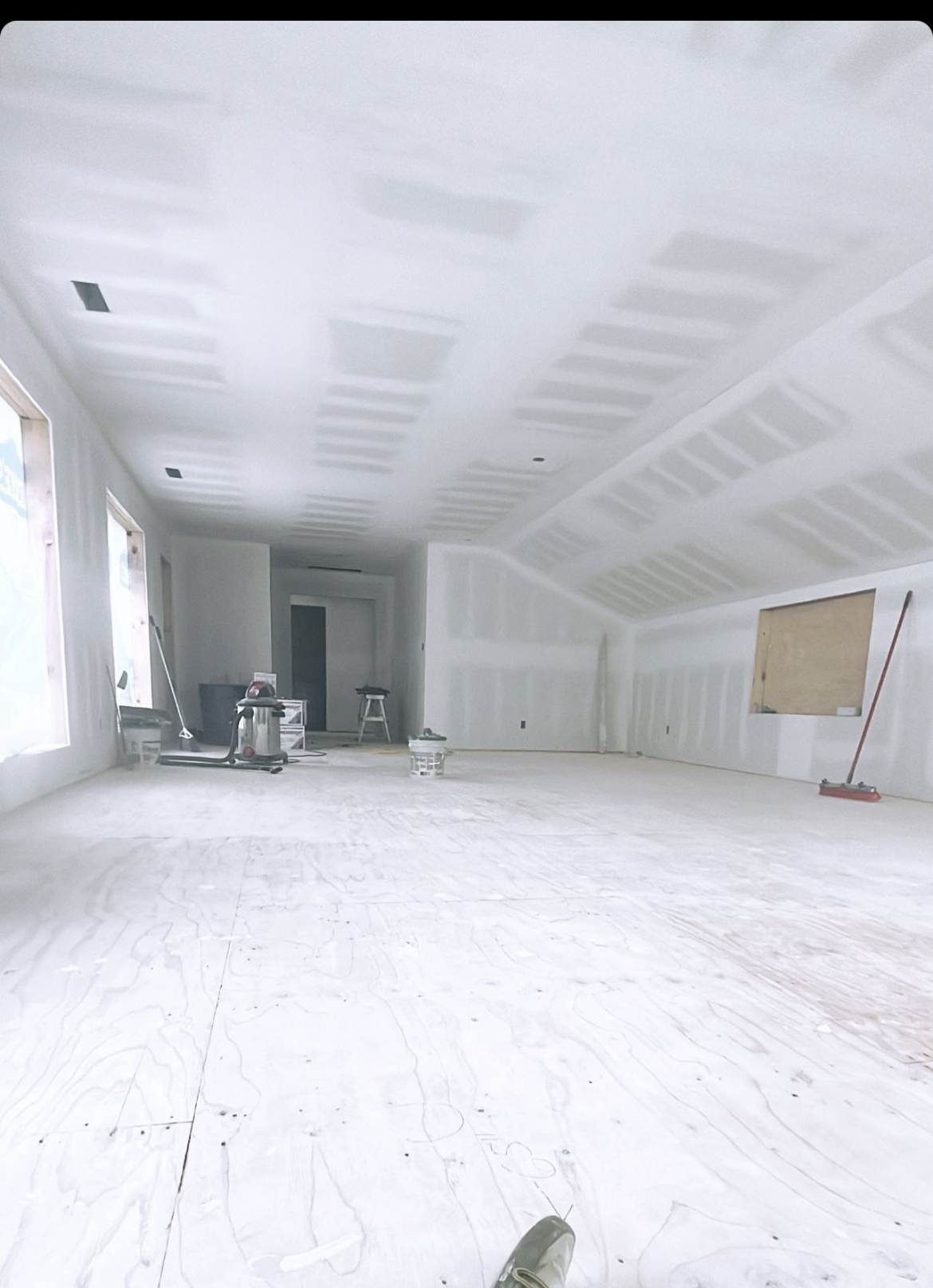
"Awesome job was done on every project I requested. Painter was very professional and meticulous, absolutely beautiful results. I will hire this company again to do additional projects. The drywall/ ceiling repair is so good you would never know their where holes patched. There was no messy clean up to do and work area was left very clean."
Additional Photos
Additional Photos
Additional Photos
Additional Photos
Additional Photos

+25

Response time1 day
Recommended by94%of homeowners
Avatar for Stevens Drywall LLC
Stevens Drywall LLC
4.8(
168
)
Drywall - InstallDrywall - Install - For BusinessDrywall - Repair+1 more

Serving Sheridan, IN and surrounding areas

Approved

In business since 2001

Free estimates

Warranties offered

"Extremely happy with the drywall repair! Stevens Drywall LLC contacted me only after a few hours of submitting a request for a drywall repair. I was able to receive a quote that day and have the repair scheduled for the following week. I have a stamped ceiling, and you would never know that I had the ceiling repaired! The repair was quick and the contractor arrived on time."
Response time2 days
Recommended by95%of homeowners
...
Showing 1-10 of 344
Drywall FAQs, answered by experts

Brick and stucco are a lot more different. You must use picture hanging clips designed for brick walls, or use a plaster rail system with adjustable hooks. Any other type of hanging hardware will cause damage to the bricks behind. You won’t be able to really use nails, either, because they’re not strong enough to go into the bricks.

You’ll get better results if you soundproof the whole wall. A hole through which light can pass can also let sound waves in. Acoustical or silicone sealant applied to holes and cracks can block enough sound to make a difference. However, the more layers absorb vibrations and slow or stop sound waves, the less noise you’ll have. 

Drywall can be installed directly on ceiling joists. In fact, this method is common in many construction projects. Drywall sheets are attached to the joists using screws, ensuring a secure and stable installation. Before attaching the drywall, it's important to mark the joist locations on the ceiling, allowing for accurate screw placement. Proper spacing between screws and careful taping and mudding of joints are crucial to creating a smooth and flawless ceiling surface. If the joists are in good condition and level, installing drywall directly on them is a practical and efficient approach.

Although they have similar applications, spackle and joint compound are not the same. Their primary differences lie in their composition, consistency, and ideal use cases.

Spackle is composed of gypsum and binding agents, making it thicker than joint compound. It dries quickly and is easy to sand, which makes it ideal for small wall repair projects like filling nail holes or patching minor damage.

Joint compound, also known as drywall mud, consists of limestone and gypsum. It is primarily used for large-scale projects, such as taping and finishing the seams on newly installed drywall. It tends to shrink more than spackle and can be more difficult to spread.

While both products can be used to fill small depressions and cracks, spackle cannot replace joint compound for taping and mudding new drywall. Conversely, you can often use joint compound for small patching jobs typically done with spackle.

Drywall can be toxic to the environment and to humans in some cases. As drywall breaks down in a landfill and comes in contact with other organic chemicals, it can create hydrogen sulfide gas or leach into the groundwater. Additionally, the CDC recommends methods for controlling the inhalation of drywall dust when handled. While the common ingredients of drywall—gypsum, silica, and mica—are naturally occurring, they can cause irritation in some humans.

The Sheridan, IN homeowners’ guide to drywall services

From average costs to expert advice, get all the answers you need to get your job done.