



Top-rated septic tank pros.

Get matched with top septic tank pros in Sidney, IL

Enter your zip and get matched with up to 5 pros

Need a pro for your septic tank service project in Sidney, IL?

Select your specific project to find the pro for you.

Find Septic tank pros in Sidney

Jackson Excavating, Inc.
4.4(
4
)
Septic System - Install or ReplaceSeptic System - Install or Replace - For BusinessSeptic System - Repair+1 more

Serving Sidney, IL and surrounding areas

In business since 2002

Free estimates

Offers commercial services

Jackson Excavating, Inc is here for all of your septic and excavating needs. With over 30 years experience, we can do it all. With all the equipment we have we will make sure your project gets done right, the first time. Call us today!

Response time1 day
Recommended by75%of homeowners
Septic Tanks questions, answered by experts

Septic tanks and cesspits are both types of sewage and wastewater systems, but they differ in key ways. The main difference between the two systems is that septic tanks separate sewage from wastewater and allow the latter to flow into a drainage field to filter and disperse into the soil. Cesspits don’t have outlets and instead, store sewage until it needs to be pumped by a professional.

Septic systems typically require servicing every 3-5 years, but frequency varies according to household size and tank capacity.

Certain foods are easier on your septic tank than others. Septic-safe foods include yogurt, fruit, cooked veggies, and bread because these items all break down relatively easily and can pass through your system safely. Rotten tomatoes, specifically, are actually good for your septic tank because they can increase the amount of good bacteria in the system. 

While dry wells can be effective for managing rainwater, they have several disadvantages. They can become clogged with sediment, especially after large storms, which reduces their effectiveness and can be difficult to clean. Dry wells are also not suitable for all soil types; they will not function properly in soil with low permeability. Additionally, if a dry well is not large enough to handle the amount of rainfall in your area, it can overflow. For gravity-flow models, the water may disperse very slowly, depending on the well's depth and the soil's permeability.

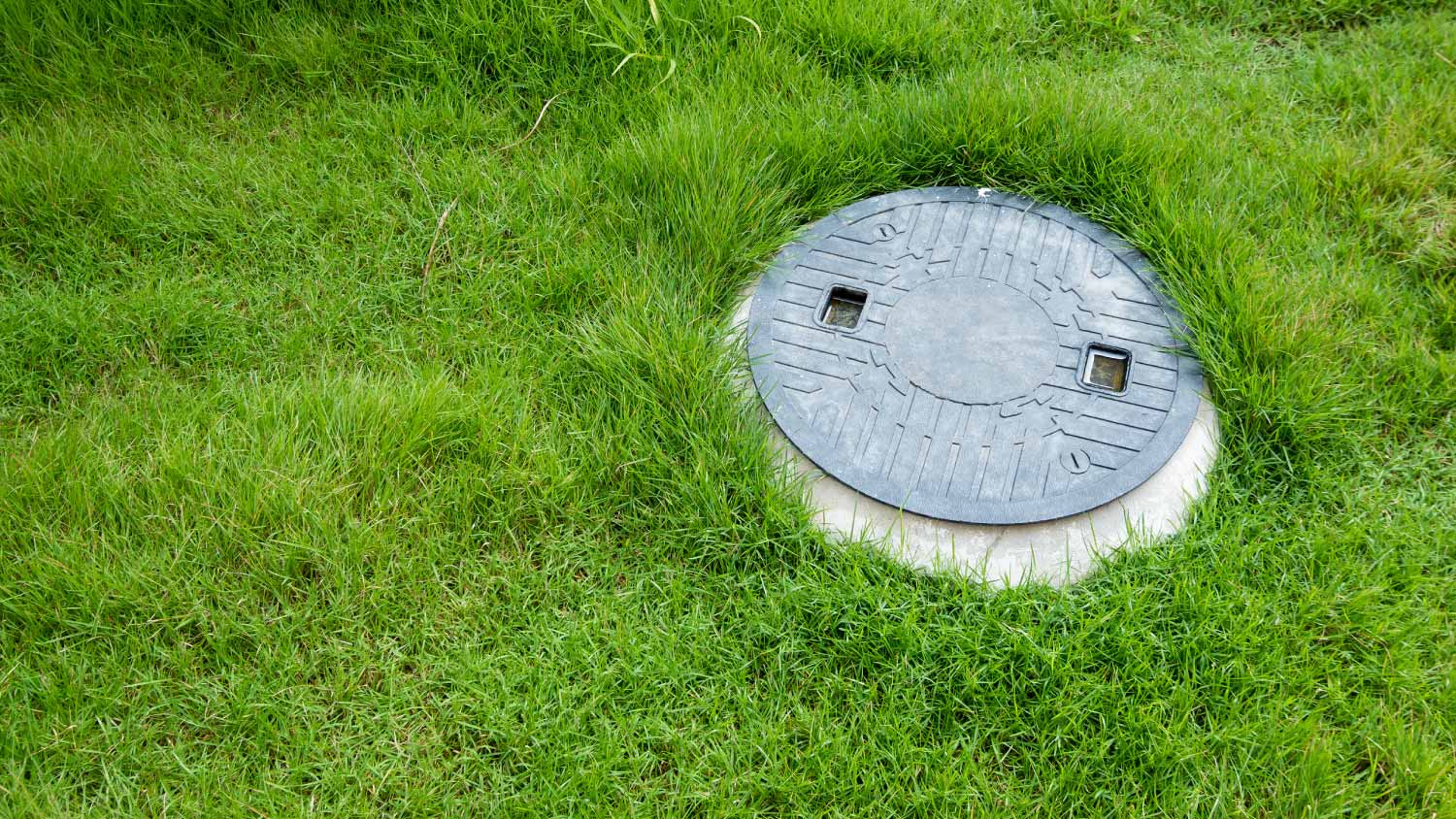
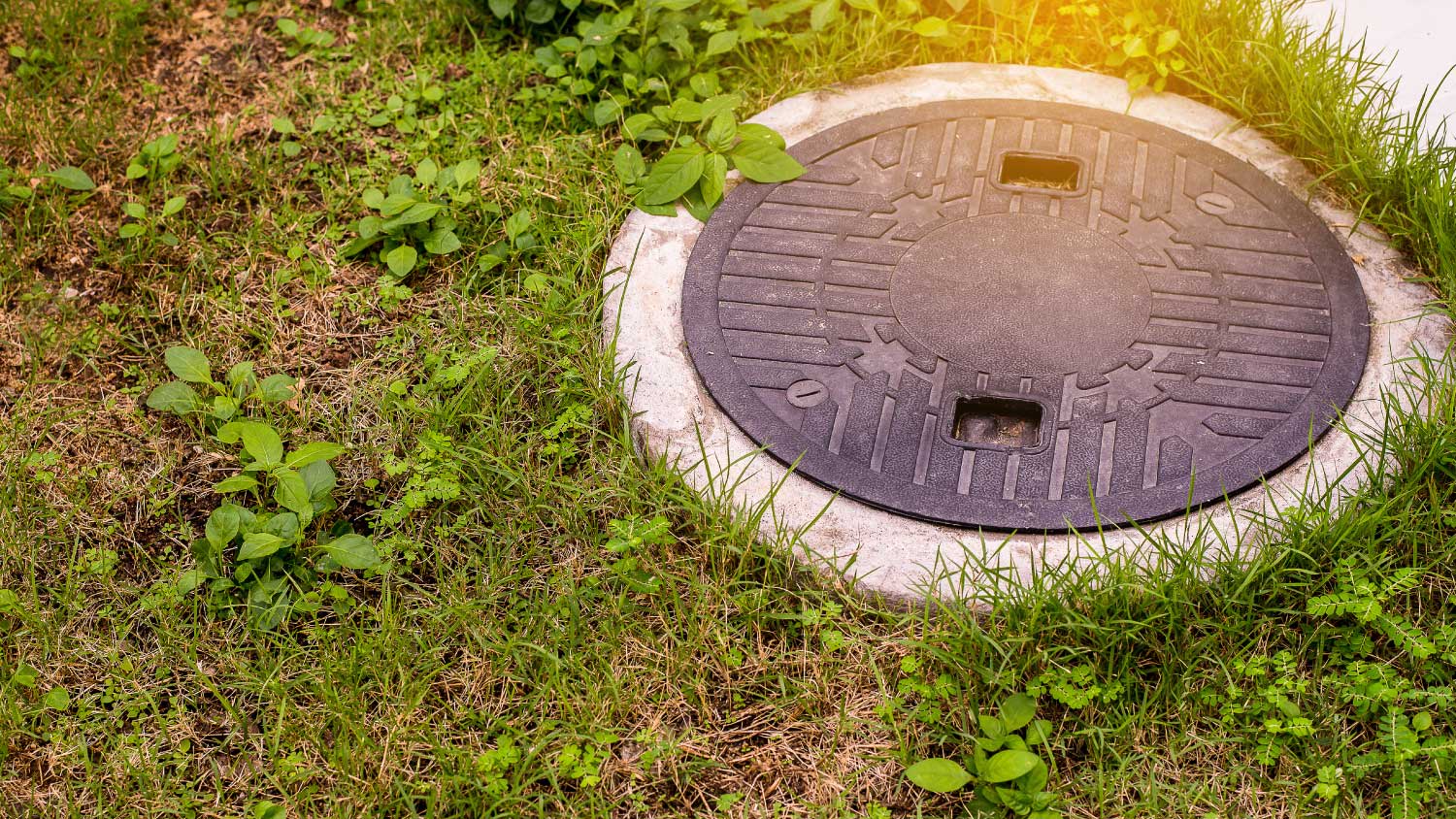
Septic tank lids may or may not be buried in a yard. Most lids are buried at least 4 inches deep unless you have an aerobic septic system. Aerobic septic systems need frequent cleanings, about every four months, so it’s best to leave these lids aboveground for easier access. For buried lids, homeowners can use risers that make it easier to locate and access a buried septic tank lid.

The Sidney, IL homeowners’ guide to septic tank services

From average costs to expert advice, get all the answers you need to get your job done.